
Pruning
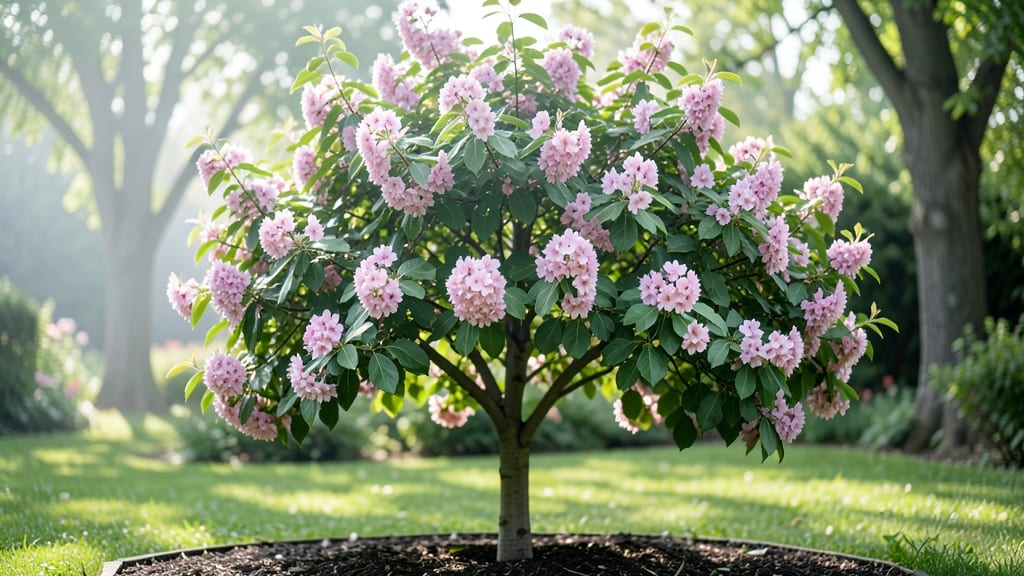
Your flowering pear tree pink could be the star of your landscape—but only if you prune it right. I’ve watched too many gorgeous pink blooms fade into sparse, leggy branches because pruning happened too late (or not at all).
The secret to year-round color? Timing, technique, and a little winter prep that most gardeners skip.
Start with the basics: 3 tools (sharp pruners, loppers, and a saw for thicker branches) and a clear day—never prune when the tree is wet or stressed. The real magic happens in late winter, when the tree is dormant but about to burst with new growth.
Cut back one-third of the oldest branches to encourage fresh, vibrant pink blooms, and always make clean cuts just above a bud or lateral branch.
By summer, you’ll see the difference: denser foliage, fewer bare spots, and blooms that last from spring through fall. The tree’s natural shape stays intact, and you avoid the "witch’s broom" look that happens when pruning is too aggressive.
Even better? Less stress for the tree means stronger resistance to pests and disease.
This method works for any mature flowering pear, whether it’s a dwarf variety in a small yard or a full-size specimen as a street tree.
The key is consistency—10-15 minutes every late winter keeps those pink clouds of blooms coming back bigger and brighter. Ready to transform your tree’s canopy?
📚 In This Guide
- What you need
- Instructions
- Tips and common mistakes
- Wrapping up and next steps
What you need
- ● Pruning shears: Bypass pruners (sharp, clean, and sterilized with rubbing alcohol to prevent disease). Recommended: Felco F-2 or equivalent.
- ● Loppers: For thicker branches (1.5”–2” diameter). Tip: Get a ratcheting model for ease.
- ● Pruning saw: For branches >2” thick (bow saw or pruning saw with a fine-tooth blade).
- ● Gloves: Heavy-duty, cut-resistant gloves (e.g., Mechanix or similar) to protect hands.
- ● Ladder or extension pole: Sturdy, tall enough to reach the tree’s highest branches safely.
- ○ Disposable pruning bags or bucket: To collect debris (optional but highly recommended for cleanup).
- ● Rubbing alcohol (70% isopropyl) or bleach solution: For sterilizing tools between cuts (1 part bleach to 9 parts water).
- ○ Tree wound dressing (optional): Pruning sealant for large cuts (controversial—skip if unsure; research shows it’s often unnecessary).
- ● Hand pruners with a bypass blade: For precision trimming of small branches.
- ● Pole saw: Extendable saw for high branches (great for large trees).
- ● Work gloves with grip: For extra comfort during long pruning sessions.
- ○ Tree growth regulator (optional): If your tree is overly vigorous (e.g., Bonide Fruit Tree Spray).
- ● Camera or phone: To document before/after pruning (helpful for tracking growth!).
Instructions: pruning a flowering pear tree for continuous pink blooms
Here’s how to shape your tree for abundant, year-round blooms—without sacrificing its natural beauty.
Assess the Tree’s Structure and Bloom Zones
Start by examining the tree’s branches for three key elements: new growth zones, flowering clusters, and structural weaknesses. Flowering pears bloom on both old and new wood, so you’ll need to preserve both. Look for pink flower buds—these typically form along last year’s branches but also appear on current season’s growth. Mark branches with thick clusters of buds (these are your bloom producers) and avoid cutting them back heavily.
Next, identify crossing or rubbing branches—these create wounds where disease enters. Also spot dead or diseased wood (brown, brittle, or peeling bark). These must be removed first, regardless of bloom potential. Use a sharp pruning saw or loppers for branches thicker than ½ inch, and hand pruners for thinner branches. Work in dry, cool weather (early morning or late afternoon) to minimize stress on the tree.
Thin Out Overcrowded Branches for Airflow
Flowering pears thrive when they receive even sunlight and airflow throughout the canopy. Begin by thinning branches from the center outward, removing up to 25% of the total foliage in one session. Focus on branches that cross or grow inward—these compete for sunlight and weaken the tree. Cut these back to the main trunk or a strong outward-facing lateral branch, making cuts just outside the branch collar (the swollen area where the branch meets the trunk).
For overly dense areas, prioritize removing branches that block light from reaching the inner canopy. You’ll know you’ve done enough when you can see sunlight filtering through the branches on a sunny day. Avoid heading back (cutting the tip of a branch to encourage bushiness)—this often leads to weak, leggy growth with fewer flowers. Instead, selectively remove entire branches to open up the tree’s structure.
Shape the Canopy for Balanced Growth
Now, refine the tree’s shape to encourage even bloom distribution and strong structural integrity. Start by raising the lowest branches to 6-8 feet off the ground—this prevents future tripping hazards and allows for easier maintenance. Cut branches back to a strong lateral branch or bud that faces outward. Avoid leaving stubs, as these invite decay and pests.
Next, shorten overly long branches by one-third of their length to promote compact, bushier growth. Make cuts just above a bud or lateral branch that grows in the direction you want the branch to fill out. For example, if a branch is growing upward but you want it to fill outward, cut it back to a bud facing the side. This redirecting technique ensures the tree maintains a rounded, balanced silhouette while maximizing bloom potential.
Prune for Flowering Stimulation in Late Winter
The best time to prune for blooms is late winter or early spring, just as buds begin to swell but before they break dormancy. This timing ensures the tree has plenty of energy to produce new flowering wood for the upcoming season. Focus on removing old, woodier branches that have produced flowers in past years—these often yield fewer blooms as they age. Instead, encourage new growth by cutting back older branches to a younger, vigorous section.
If your tree has fewer blooms than expected, it may need a renewal pruning. Select 3-4 of the oldest, largest branches at the tree’s base and cut them back to a strong lateral branch or the main trunk. This shock pruning forces the tree to send out new, flowering shoots from the base. While it may take 1-2 years for full recovery, the result is a youthful, vibrant canopy with abundant pink blooms. Water deeply after pruning to help the tree recover.
Maintain Year-Round with Light Trims
After the initial pruning, monitor the tree throughout the year for dead, diseased, or weak branches. Remove these as soon as they’re noticed to prevent the spread of problems. In summer, lightly trim any overly vigorous shoots that detract from the tree’s shape. Cut these back to a leaf bud to encourage balanced regrowth. Avoid heavy pruning during the growing season, as this can reduce flowering for the following year.
In fall, do minimal pruning—only remove dead or broken branches. The tree is preparing for dormancy, and major cuts now can stimulate late-season growth that won’t harden off before winter. Instead, focus on cleanup: rake up fallen leaves and debris to reduce disease risk. Mulch around the base with 2-3 inches of organic mulch to protect roots and retain moisture for next year’s blooms.
Tips & tricks for pruning a flowering pear tree for continuous pink blooms
A few strategic adjustments can transform your flowering pear tree into a year-round spectacle of pink blooms. Here's what I've learned from years of shaping these trees—avoid these common pitfalls and watch your tree thrive.
Timing is Everything: The late winter to early spring window is critical because it allows the tree to recover before the growing season. If you prune too early, the tree may not have enough energy to produce new blooms. If you wait too late, you risk cutting off potential flower buds that have already formed. I always check for swollen buds—when they're visible but haven't burst open, that's your cue to prune.
Bud Direction Matters: When you're making those one-third cuts to shorten branches in Step 3, pay close attention to which way the buds face. Cut just above an outward-facing bud to encourage the branch to fill out horizontally, creating a fuller, more balanced canopy. I've seen trees with uneven growth because someone cut above an upward-facing bud—now the branch grows straight up instead of outward, creating that "Christmas tree" look we all want to avoid.
Pruning Tools Make All the Difference: Using the right tools isn't just about making clean cuts—it's about preserving the tree's health. I've ruined several cuts trying to use dull tools, which can tear the bark and create entry points for disease. Always use sharp pruning saws for branches thicker than ½ inch and clean your tools between cuts with rubbing alcohol. This simple step can extend your tree's lifespan by years.
Renewal Pruning Strategy: If your tree has fewer blooms than expected, don't be afraid of the renewal pruning approach. Selecting 3-4 of the oldest branches to cut back dramatically might seem harsh, but it's like giving your tree a complete makeover. I've seen trees that looked like they were past their prime come back with more vibrant blooms than ever after this treatment. Just remember to water deeply afterward—the tree will need that extra moisture to recover and produce new growth.
Pro Tips for Flowering Pear Tree Pink
- A few strategic adjustments can transform your flowering pear tree into a year-round spectacle of pink blooms.
- Timing is Everything: The late winter to early spring window is critical because it allows the tree to recover before the growing season.
- Bud Direction Matters: When you're making those one-third cuts to shorten branches in Step 3, pay close attention to which way the buds face.
Frequently asked questions
about your flowering pear tree pink pruning—because even the pros need a little clarity! Here’s what you’ve been wondering:When is the best time to prune a flowering pear tree for pink blooms?
The ideal time is late winter or early spring (before buds swell), but you can also prune lightly after flowering to shape the tree. Avoid heavy pruning in fall—it can stimulate new growth that won’t harden off before winter. Pro tip: If you must prune in summer, do it early to reduce stress on the tree.
Can I prune my flowering pear tree in winter?
Yes, but only in mild winters (Zone 6+). If temps drop below 20°F, wait until late winter. Pruning in freezing conditions can damage the tree and invite disease. If you’re unsure, err on the side of caution—spring is safer for most regions.
Will pruning affect next year’s pink flowers?
Not if done correctly! Flowering pears bloom on old wood, so avoid cutting back more than 1/3 of the canopy at a time. Focus on dead, crossing, or overcrowded branches first. Pro tip: Thin out the center to improve airflow—this actually enhances future blooms!
What if my flowering pear tree isn’t blooming much?
Check these common culprits:
- Over-pruning: Too many cuts = fewer blooms. Stick to light shaping.
- Poor sunlight: Needs 6+ hours of sun daily.
- Age: Young trees (under 3 years) may bloom lightly.
- Disease/fungus: Prune out infected branches and treat with copper fungicide if needed.
If the issue persists, your tree might need fertilizer (low-nitrogen, high-phosphorus) in early spring.
Are there alternatives to flowering pear trees for pink blooms?
Consider these low-maintenance, pink-blooming trees:
- Japanese cherry (Prunus serrulata) – Delicate pink flowers, similar care.
- Crabapple (Malus spp.) – Disease-resistant, long-lasting blooms.
- Bradford pear (Pyrus calleryana) – Fragrant pink flowers (but remove suckers yearly).
- Kwanzan cherry (Prunus serrulata ‘Kwanzan’) – Deep pink, drought-tolerant.
Pro tip: If you love the flowering pear’s hardiness, try ‘Aristocrat’ or ‘Capital’ cultivars—they bloom more reliably!
Wrapping up and next steps
The flowering pear tree pink is a stunning addition to any landscape, and with the right pruning techniques, you can ensure its vibrant blooms year after year. Remember, timing, technique, and regular maintenance are key—whether you’re shaping its canopy, removing dead branches, or encouraging new growth.
Your effort will be rewarded with a breathtaking display of pink flowers that brightens up your outdoor space!
Ready to transform your tree into a showstopper? Grab your pruners and get started—your future blooms will thank you! 🌸✂️