
Blooming
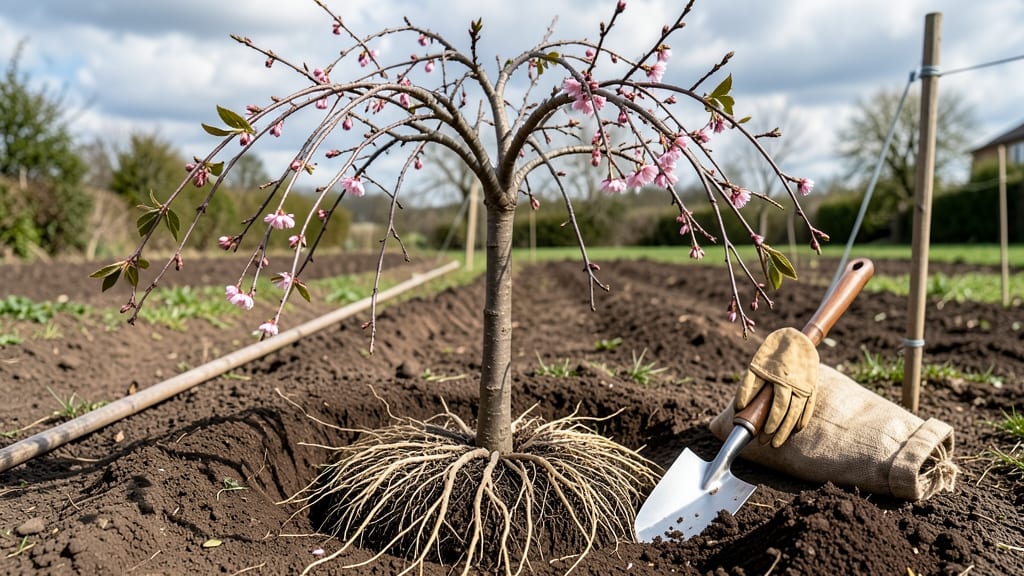
Planting a Kwanzan cherry blossom tree from bare root means adding a showstopper to your yard that blooms in clouds of pink and stays stunning year-round. 🌸 I’ve planted three of these beauties, and the first spring after planting is when they truly steal the show—imagine your front yard transformed into a cherry blossom dream.
The secret to success starts with soil prep: these trees love well-draining, slightly acidic soil mixed with compost. Bare roots need gentle handling—soak them for 2-3 hours before planting, then dig a hole twice as wide as the root ball but no deeper. The key moment?
Positioning the roots so the graft union sits 2-3 inches above ground—this prevents rot and encourages strong growth. Watering is where most people stumble. After planting, give it a deep soak, then keep the soil moist (not soggy) for the first 6-8 weeks.
Mulch around the base to retain moisture and protect roots from winter’s freeze-thaw cycles. Pruning isn’t needed the first year, but removing any dead or crossing branches in early spring will keep it healthy and encourage better blooms.
What makes this tree special is its cold hardiness—it thrives in zones 5-8 and handles snow, heat, and even urban pollution better than many cherries. By year three, you’ll have a tree that’s disease-resistant, drought-tolerant once established, and covered in blossoms that last weeks longer than other varieties.
Here’s how to make it happen without the common pitfalls.
📚 In This Guide
- What you need
- Instructions
- Tips and common mistakes
- Wrapping up and next steps
What you need
- ● Bare-root Kwanzan cherry blossom tree (choose a size based on your space—typically 3-5 ft tall for easy handling).
- ● Shovel or spade (for digging holes—opt for a round-point shovel for cleaner edges).
- ● Garden trowel (for adjusting soil and root placement).
- ● Compost or well-aged manure (5-10 lbs, to enrich the soil).
- ● Mulch (wood chips or straw) (2-3 inches, to retain moisture and suppress weeds).
- ● Watering can or hose with a gentle spray nozzle (for post-planting hydration).
- ● Pruning shears (to trim any damaged roots or branches).
- ○ Staking materials (optional but recommended for young trees): 2-3 wooden stakes (4-6 ft tall).
- ● Soft tree ties or garden twine.
- ● Gloves (gardening gloves to protect your hands from thorns or rough bark).
- ● Knee pads or a small stool (for comfort during planting).
- ○ Soil test kit (optional but helpful)—ensure your soil has a slightly acidic to neutral pH (6.0-7.0).
- ● Fertilizer (balanced 10-10-10 or slow-release) (1 lb, applied after planting).
- ● Sunlight assessment—confirm your planting spot gets full sun (6+ hours/day).
- ● Weather check—plant on a cool, cloudy day (avoid extreme heat or frost).
- ● 🌡️ Timing is key: Plant bare-root Kwanzan cherries in early spring or late fall (dormant season).
- ● ✨ Root soak: Soak bare roots in water for 1-2 hours before planting to rehydrate.
- ● 🎯 Spacing: Leave 20-25 ft between trees to allow for mature spread.
Step-by-Step instructions for planting a Kwanzan cherry blossom tree bare root
Here's how to get your cold-hardy Kwanzan cherry tree established with minimal stress and maximum success.
🌱 Step 1: Prepare the Planting Site
Choose a location with full sun exposure (6+ hours daily) and room for the tree to grow to its mature size of 25-30 feet wide. The Kwanzan thrives in well-draining soil with a slightly acidic to neutral pH (6.0-7.0). If your soil is heavy clay, amend the planting area with 2-3 inches of compost mixed into the top 12 inches of soil.
Dig a hole that's twice as wide as the root ball but only as deep as the roots themselves. The top of the root ball should sit just above ground level after planting—burying too deep suffocates the tree. Gently break up any large soil clumps at the bottom of the hole to encourage root spread.
🪴 Step 2: Soak the Bare Roots and Prepare for Planting
Place the bare root Kwanzan in a bucket of lukewarm water for 1-2 hours before planting. This rehydrates the roots and helps them establish faster. While soaking, examine the roots for any that appear shriveled or dried out—trim these back with clean pruners to encourage new growth.
Remove the tree from the water and position it in the hole so the roots spread naturally outward. The main trunk should stand upright with no leaning. If the tree feels unstable, add a small amount of soil to one side to create a slight slope for support. Avoid compacting the soil around the roots yet—this will come in the next step.
💧 Step 3: Backfill and Water Thoroughly
Fill the hole with soil, tamping down gently in 3-inch layers to eliminate air pockets. Press firmly enough to remove gaps but don't compact so tightly that roots can't penetrate. As you backfill, use your hands to guide the soil into the spaces between roots, encouraging them to make contact with the earth.
Once the hole is filled, create a 2-inch deep basin around the base of the tree to direct water. Water deeply until the soil is saturated 12 inches down—you'll know it's enough when water pools briefly in the basin before draining away. Mulch the area with 2-3 inches of organic mulch, keeping it 6 inches away from the trunk to prevent rot.
☀️ Step 4: Provide Support and Initial Care
Stake the Kwanzan cherry tree if needed, using 2-3 stakes positioned 12-18 inches from the trunk and tied loosely with soft fabric strips. The goal is to provide temporary support while roots establish—don't cinch the ties too tight. Prune any broken or damaged branches with clean pruners, cutting just above a healthy bud or branch collar.
Water the tree 2-3 times weekly for the first 2 months, keeping the soil consistently moist but never soggy. The Kwanzan's shallow roots dry out quickly in wind or hot sun, so check the soil 2 inches down daily—if it feels dry, water again. Avoid overhead watering after planting to prevent soil compaction around the roots.
⏰ Step 5: Monitor and Encourage Establishment
Watch for new leaf growth in 4-6 weeks—this signals successful root establishment. If leaves appear yellow or wilted, the tree may need more water or protection from afternoon sun. Fertilize lightly in late spring with a balanced 10-10-10 fertilizer to support early growth, but avoid heavy feeding the first year.
By the second year, your Kwanzan cherry will reward you with pink double blooms in late spring that last for weeks. Prune lightly in late winter to remove dead wood and shape the tree, but avoid heavy pruning—this tree's beauty comes from its natural, abundant branching. With proper care, your Kwanzan will provide year-round interest from its delicate flowers to its attractive bark in winter.
Tips & tricks for planting a thriving Kwanzan cherry blossom
Here's what I wish I knew before planting my first Kwanzan—these little details make all the difference between a struggling sapling and a showstopping tree.
Root Revival Secret: That 1-2 hour soak in Step 2 isn't just about hydration—it's about reviving those delicate roots. I learned this the hard way after planting a tree that took months to recover. For extra insurance, add 1 tablespoon of mycorrhizal fungi to the soaking water. This beneficial soil organism helps roots establish faster by forming symbiotic relationships with your tree's root system.
Soil Science: The Kwanzan's preference for slightly acidic to neutral soil (6.0-7.0 pH) is often overlooked. Test your soil before planting—if it's too alkaline, mix in sulfur or peat moss when amending with compost. I use a simple soil test kit from my local garden center, and it's saved me from planting in less-than-ideal conditions. The 2-3 inches of compost you add should be well-aged—fresh compost can burn tender roots.
Watering Wisdom: That 2-inch deep basin you create in Step 3 is your best friend during the first two months. I've seen many gardeners forget about this crucial detail, leading to uneven water distribution. Fill the basin with water until it overflows, then let it drain completely before adding more. This method ensures water penetrates deeply to where the roots are establishing, rather than just wetting the surface.
Staking Strategy: When staking your Kwanzan in Step 4, use soft fabric ties—not wire or plastic that can cut into the bark as the tree grows. I've seen too many trees with girdled trunks from improper staking. The stakes should be positioned at a slight angle away from the trunk to encourage natural growth patterns. Check the ties every few weeks—they should have some give, like a loose hug.
Pro Tips for Kwanzan Cherry Blossom Tree Bare Root
- Here's what I wish I knew before planting my first Kwanzan—these little details make all the difference between a struggling sapling and a showstopping tree.
- Root Revival Secret: That 1-2 hour soak in Step 2 isn't just about hydration—it's about reviving those delicate roots.
- Soil Science: The Kwanzan's preference for slightly acidic to neutral soil (6.0-7.0 pH) is often overlooked.
Frequently asked questions
When is the best time to plant a bare-root Kwanzan cherry blossom?
The ideal window is late fall to early spring—before bud break (typically November through March in most climates). Bare-root trees establish roots better in cooler soil, reducing transplant shock. If you miss this, plant as soon as possible, but avoid peak summer heat.
How cold-hardy is the Kwanzan cherry blossom, and can it survive winter?
This variety is USDA Zones 5-8 hardy and thrives in winter! With proper care—like mulching and avoiding late-season pruning—it handles frost and snow beautifully. Just ensure it’s planted in well-draining soil to prevent root rot in soggy conditions.
Why isn’t my Kwanzan cherry blossom blooming?
Patience is key! Young trees (under 3–5 years) may focus on root growth first. Lack of blooms could also signal:
- Insufficient sunlight (needs 6+ hours/day)
- Over-pruning (blooms form on last year’s wood)
- Nutrient deficiencies (feed with acidic fertilizer in early spring)
Can I grow a Kwanzan cherry blossom in a container?
Yes, but it’s challenging long-term. Containers limit root growth, so opt for a large pot (20+ gallons) with drainage holes and well-draining potting mix. Move it indoors (or to a garage) in winter if temps drop below Zone 5. For best results, plant in the ground.
When and how should I prune my Kwanzan cherry blossom?
Prune immediately after blooming (late spring) to shape the tree and remove dead wood. Avoid heavy pruning in fall/winter—it encourages weak growth and reduces next year’s flowers. Use sterilized tools to prevent disease, and thin crowded branches for airflow.
Are Kwanzan cherry blossoms prone to pests or diseases?
They’re generally resilient, but watch for:
- Powdery mildew (spray with neem oil if leaves look dusty)
- Japanese beetles (handpick or use traps)
- Canker diseases (prune infected branches early)
Wrapping up and next steps
The Kwanzan cherry blossom tree is a stunning choice for gardeners seeking year-round interest and cold-hardy beauty. Its vibrant blooms, lush foliage, and resilient bare-root planting make it a standout addition to any landscape—whether you're a seasoned gardener or just starting out. 🌸
Ready to transform your outdoor space? Start by selecting your bare-root Kwanzan cherry and follow the planting tips shared above. With the right care, you’ll enjoy its magic for decades to come!