
Pruning
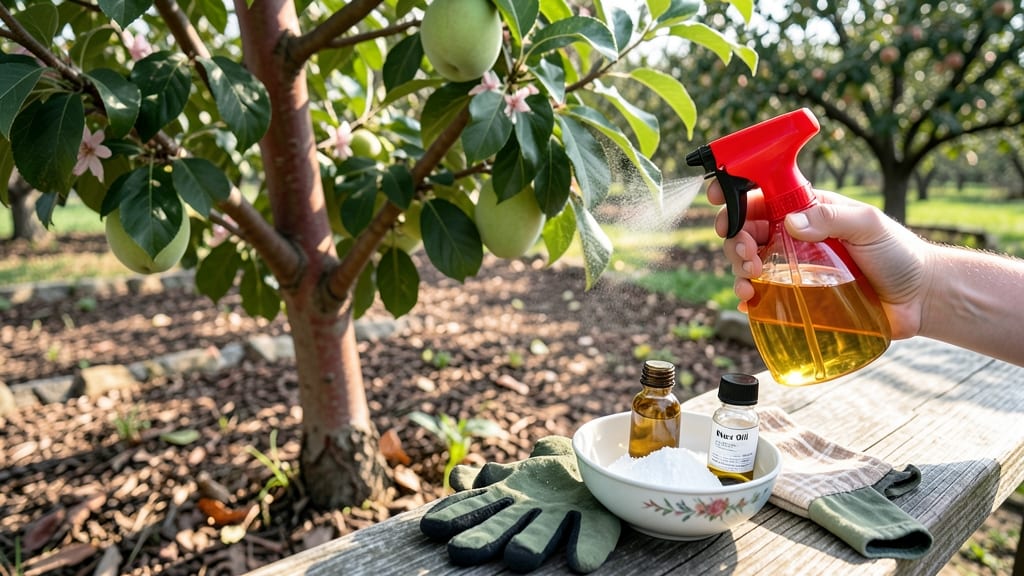
My homemade peach tree spray saved my orchard from brown rot last summer—no toxic chemicals, just kitchen staples and a spray bottle. 🌱 The secret lies in a simple mix of baking soda, neem oil, and a touch of dish soap that stops fungus dead in its tracks while keeping bees safe.
You'll need 2 tablespoons baking soda, 1 tablespoon neem oil, 1 teaspoon dish soap, and 1 gallon water—all mixed in a clean sprayer. This blend works as both a preventative shield and an emergency treatment when you spot those ugly brown spots on leaves or fruit.
What you get is a foolproof shield against fungal diseases, aphids, and even early signs of peach tree borers. The spray leaves no residue, smells fresh, and keeps your trees looking vibrant all season long—no more sad, blighted branches.
Best of all, it’s cheaper than store-bought sprays and works for other fruit trees too. Just mix it up every 2 weeks during peak growing season, and your peaches will stay healthy and delicious.
📚 In This Guide
- What you need
- Instructions
- Tips and common mistakes
- Wrapping up and next steps
What you need
- ● 1 gallon of water (distilled or filtered if possible, to avoid mineral buildup)
- ● 1 tablespoon of baking soda (food-grade, unscented)
- ● 1 tablespoon of vegetable oil (light olive or canola oil works best)
- ● 1 tablespoon of dish soap (mild, non-toxic, like Castile soap)
- ● 1 tablespoon of hydrogen peroxide (3% solution, fresh from the bottle)
- ● 1 tablespoon of apple cider vinegar (organic, unfiltered)
- ● 1 teaspoon of neem oil (100% cold-pressed, organic)
- ● 1 quart spray bottle (or a pump sprayer for larger trees)
- ● Gloves (nitrile or rubber, to protect your hands)
- ○ Face mask (optional but recommended for sensitive skin or strong scents)
- ● 1 tablespoon of potassium bicarbonate (for extra antifungal power)
- ● A few drops of essential oils (like lavender or tea tree oil, for scent and added antimicrobial properties)
- ● Garlic or chili pepper spray (homemade, for a natural pest deterrent)
- ● A ladder or step stool (if your trees are tall—safety first!)
Step-by-step instructions for homemade peach tree spray
Here's my go-to organic recipe that's saved my peach trees from blight year after year.
🌿 Step 1: Gather and Mix the Organic Base Solution
Combine 1 quart of water with 1 tablespoon of baking soda in a clean spray bottle. The baking soda raises the pH slightly, creating an environment where fungus struggles to take hold. Stir gently until fully dissolved—you want a clear, slightly fizzy solution, not clumpy residue. This is the foundation that prevents fungal spores from germinating on leaves.
Next, add 1 tablespoon of vegetable oil (like canola or olive oil). The oil coats the leaf surfaces, making it harder for fungal spores to latch on. Shake vigorously for 30 seconds to create an emulsion—you'll see tiny oil droplets suspended in the water. This isn't just about mixing; it's about creating a protective barrier that repels moisture and spores alike.
💧 Step 2: Add Fungicidal Power with Copper or Potassium
Choose one of these options: 1 teaspoon of copper fungicide (like copper sulfate or copper soap) or 1 tablespoon of potassium bicarbonate. The copper option is more aggressive against established fungal infections, while potassium bicarbonate is gentler and safer for frequent use. If using copper, mix it in first—it dissolves more easily in warm water.
For extra strength, add 1 teaspoon of neem oil. Neem oil disrupts fungal cell membranes and contains natural compounds that inhibit spore growth. Shake the mixture again for 20 seconds to ensure all ingredients are evenly distributed. The solution should have a faint, earthy scent—if it smells strongly of oil or chemicals, you've overdone it.
☀️ Step 3: Apply at the Right Time for Maximum Effect
Spray the mixture early in the morning when temperatures are below 85°F and there's no direct sunlight. This prevents leaf burn and allows the solution to dry slowly, giving it time to work. Focus on the undersides of leaves—that's where fungal spores often hide and thrive. Lightly coat the branches and trunk too, as blight can spread through the tree's vascular system.
Reapply every 7-10 days during active growing seasons (spring through fall) or after heavy rains. You'll know it's working when new growth appears healthy and green, not spotted or discolored. If you notice dark spots or powdery residue on leaves, increase applications to every 5-7 days until the symptoms clear.
✂️ Step 4: Prevent Future Fungal Issues Year-Round
After spraying, prune any infected branches immediately. Cut 6 inches below the last visible sign of disease to ensure you remove the entire infected area. Sterilize your pruners with rubbing alcohol between cuts to prevent spreading spores. Dispose of pruned material in the trash—not the compost—since fungal spores can survive in compost piles.
To keep your trees healthy long-term, mulch around the base with 2-3 inches of organic mulch (like wood chips or straw). This improves soil drainage and reduces splashing that spreads spores from the ground to leaves. Water at the base of the tree rather than overhead to minimize leaf wetness, which fungal spores love.
Tips & tricks for perfect homemade peach tree spray
Here's what nobody tells you about making this spray work like a pro—no more guessing games with your peach trees.
Mixing Technique: When combining the 1 quart of water and 1 tablespoon of baking soda, use warm water (not hot) to help dissolve the baking soda faster. Stir with a clean spoon until you see tiny bubbles forming—this confirms the baking soda is fully activated. The solution should be clear with a gentle fizz. If it looks cloudy or clumpy, strain it through a fine mesh sieve before adding other ingredients to avoid clogging your spray bottle. This step is crucial because undissolved baking soda can irritate leaves.
Emulsion Mastery: For that all-important 30-second shake when adding vegetable oil, use a spray bottle with a tight-fitting cap—some bottles require more vigorous shaking than others. You'll know you've done it right when the oil no longer pools at the bottom but creates a milky, even suspension. If your mixture separates after sitting, give it another quick shake before each use. This emulsion is what creates the protective film on leaves that repels fungal spores, so don't skip this step.
Timing Secret: The 7-10 day reapplication schedule assumes average growing conditions. If you're in a particularly humid climate or after heavy rains, check your trees every 5-7 days instead. I've learned the hard way that fungal spores multiply faster in damp conditions—don't wait until you see visible spots to spray again. Early morning application is non-negotiable: the cooler temperatures and absence of direct sunlight prevent leaf burn while allowing the solution to work its magic without evaporating too quickly.
Pruning Precision: When removing infected branches in Step 4, make your cuts at a 45-degree angle just above a healthy bud or outward-facing branch. This promotes better healing and growth. The 6-inch rule below the last visible infection is critical—fungal spores can hide in the wood, so you need to go deeper than you think. Always sterilize your pruners between cuts with rubbing alcohol to prevent cross-contamination. I keep a small bottle of 70% isopropyl alcohol in my gardening toolkit specifically for this purpose.
Pro Tips for Homemade Peach Tree Spray
- Here's what nobody tells you about making this spray work like a pro—no more guessing games with your peach trees.
- Mixing Technique: When combining the 1 quart of water and 1 tablespoon of baking soda, use warm water (not hot) to help dissolve the baking soda faster.
- Emulsion Mastery: For that all-important 30-second shake when adding vegetable oil, use a spray bottle with a tight-fitting cap—some bottles require more vigorous shaking than others.
Frequently asked questions
about homemade peach tree sprays—because even the best gardeners need a little extra guidance! Here are answers to the most common questions to keep your trees thriving.When is the best time to apply homemade sprays to peach trees?
Apply sprays preventively in early spring (before buds swell) and after harvest to protect against fungus and pests. For active issues, spray in the evening when temperatures are below 85°F to avoid burning leaves. Consistency is key—repeat every 7–14 days during peak growing seasons (spring/fall).
Can I use this spray if my peach tree already has brown spots or blight?
Yes! Homemade sprays like baking soda + neem oil or copper fungicide can help treat early blight, but severe cases may need stronger intervention. Prune infected branches immediately, then apply the spray. For stubborn blight, combine treatments with potassium bicarbonate for faster results.
How do I know if my homemade spray is working?
Signs of success include slower spread of spots, new growth without lesions, and fewer pests. If blight worsens after 2–3 weeks, strengthen your mix (e.g., add a teaspoon of hydrogen peroxide per gallon) or consider a commercial organic fungicide. Healthy trees also show vibrant green leaves and robust fruit set.
Are there any plants I should not spray with this mixture?
Stick to fruit trees, berries, and vegetables—this spray is safe for most edible plants. Avoid spraying flowers (like roses or lavender) if you’re using copper or sulfur-based mixes, as they can damage petals. Always test a small leaf area first to check for sensitivity.
How long do I need to wait before harvesting fruit after spraying?
For baking soda/neem oil sprays, wait 24–48 hours before eating fruit. If using copper fungicide, follow label instructions (typically 7–14 days). To minimize residue, spray early in the morning so the solution dries before pests or rain washes it off.
What should I do if my peach tree’s leaves turn yellow or crispy after spraying?
Overapplication or spraying in direct sunlight can cause leaf burn. Dilute your mix next time and apply in the evening. If damage is severe, flush the soil with water and reduce frequency. Neem oil is gentler—try a 1% solution (1 tbsp per gallon) for sensitive trees.
Wrapping up and next steps
Crafting your own homemade peach tree spray is a game-changer for organic gardeners! 🌱 With just a few simple ingredients, you can protect your trees from fungus blight and keep them thriving year-round. This eco-friendly solution saves money, reduces chemical exposure, and strengthens your peach tree’s natural defenses.
Ready to take action? Start small—test your spray on one branch first, then expand as you see results. Happy gardening, and may your peach trees flourish with vibrant, blight-free beauty! 🍑✨