
Pests and Diseases
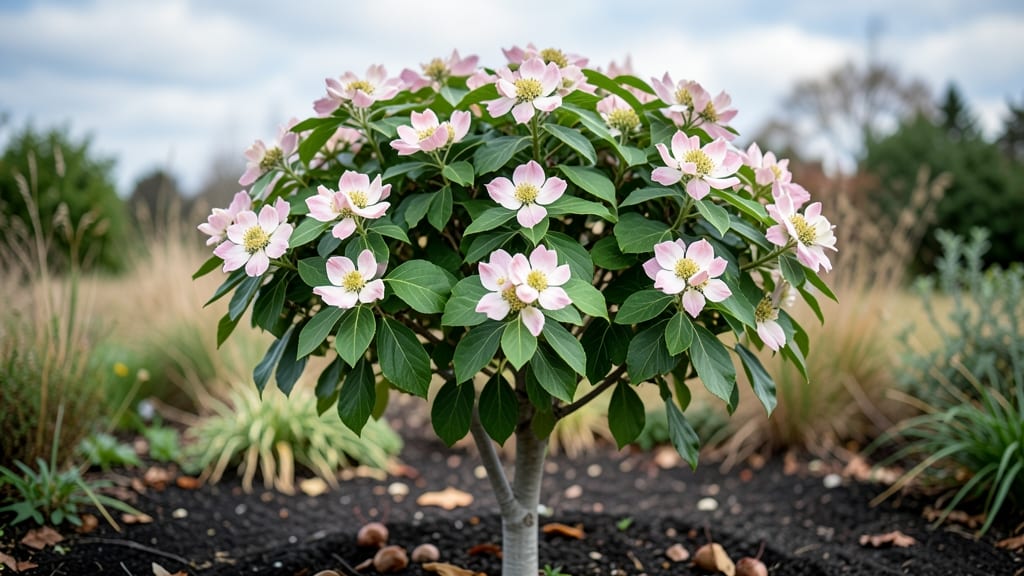
The pink-and-white dogwood tree transforms gardens into living paintings with its delicate blooms and graceful form. 🌸 I planted mine as a focal point near the patio, and now it’s the first thing guests notice—spring flowers, summer shade, and fall berries keep it interesting all year.
These trees thrive in partial shade, making them perfect for borders or understory plantings. Pair them with hostas for contrast or ferns for texture, and mulch well to keep roots cool. The secret to their showstopping look? Prune in late winter to open the canopy for better airflow and sunlight.
With the right placement, your dogwood will reward you with vibrant blooms for weeks and rich fall foliage that turns burgundy. The berries add winter interest, and the smooth bark gives year-round structure.
It’s the kind of tree that makes neighbors stop and ask, “What’s that?”—and then you get to brag about your garden.
📚 In This Guide
- What you need
- Instructions
- Tips and common mistakes
- Wrapping up and next steps
What you need
- ● Dogwood Tree: Choose a healthy Cornus florida variety (e.g., 'Pink Icing,' 'Cherokee Brave,' or 'Rubra') from a reputable nursery. Select a 1-3 gallon container sapling for new plantings or a mature tree if transplanting.
- ● Shovel or Transplant Spade: A sharp-edged spade (12-18 inches wide) for digging planting holes or removing pests.
- ● Garden Gloves: Heavy-duty, waterproof gloves to protect hands from thorns, soil, and chemicals.
- ● Pruning Shears: Bypass pruners (sharp, 6-8 inch blades) for trimming dead branches or shaping the tree.
- ● Mulch: 3-4 inches of organic mulch (pine straw, wood chips, or shredded bark) to retain moisture and suppress weeds.
- ● Watering Can or Hose: A gallon watering can with a rose attachment or a soaker hose for deep, consistent watering.
- ● Fertilizer: Balanced fertilizer (10-10-10 or 20-20-20) for new plantings (apply 2-3 times per year).
- ● Slow-release granular fertilizer for established trees (spring and early summer).
- ● Pest Control: Neem oil (100% cold-pressed) or horticultural oil for treating aphids, scale, or mites.
- ● Insecticidal soap (for soft-bodied pests like borers or caterpillars).
- ● Fungicide (copper-based or systemic) to prevent powdery mildew or anthracnose.
- ● Tree Stake & Ties: 2-3 wooden or metal stakes + soft fabric ties for young saplings (if needed for stability).
- ● Soil pH Test Kit: Dogwoods prefer acidic soil (pH 5.0-6.5)—test and amend with sulfur or peat moss if necessary.
- ● Drip Irrigation System: For large properties or drought-prone areas.
- ● Bird Netting: To protect blooms from hungry birds during spring.
- ● Tree Band: Plastic or metal trunk guard to deter rodents and protect from lawnmower damage.
How to select, plant, and care for pink-and-white dogwood trees
Here’s how to bring these stunning trees into your landscape with minimal fuss.
🌱 Step 1: Choose the Right Variety for Your Climate
Pink-and-white dogwoods thrive in USDA Zones 5-9, but specific varieties handle heat or cold better. The Cornus florida 'Cherokee Brave' (pink blooms) stands out for its disease resistance, while Cornus florida 'Rubra' (deep pink) tolerates partial shade. Check your hardiness zone before buying—cold snaps can damage tender young trees.
I always look for 3-5 gallon container-grown trees at nurseries. These establish faster than bare-root stock because their roots aren’t disturbed. Avoid trees with yellowing leaves or mushy stems—they’re already stressed. Healthy specimens have dark green foliage and plump buds ready to burst in spring.
🪴 Step 2: Plant in Well-Draining, Acidic Soil
Dogwoods hate soggy roots, so amend heavy clay with 3 inches of compost mixed into the top 12 inches of soil. Their native woodland soil is acidic (pH 4.5-6.0)—test your soil first. If it’s alkaline, add sulfur or peat moss to lower the pH before planting.
Dig a hole twice as wide as the root ball but only as deep as the container’s bottom. Loosen the roots gently if they’re circling—this prevents girdling as they grow. Place the tree so the top of the root ball sits 1-2 inches below soil level (dogwoods settle over time). Backfill with native soil, not amended mix, to avoid root burn.
☀️ Step 3: Position for Morning Sun and Afternoon Shade
Dogwoods need 4-6 hours of morning sun but hate hot afternoon rays, which scorch their delicate blooms. A spot under high-canopy trees (like oaks or maples) works perfectly—they get dappled light without stress. If planting in full sun, mulch heavily (3-4 inches) with shredded bark to keep roots cool.
Water deeply once a week for the first year, aiming for 1 inch of moisture. You’ll know it’s enough when the soil feels damp 6 inches down. Too much water causes root rot; too little makes leaves crisp at the edges. A soaker hose keeps moisture even without overhead watering, which can spread fungal diseases.
✂️ Step 4: Prune for Shape and Airflow After Flowering
Wait until late spring or early summer (after blooms fade) to prune. Remove dead, crossing, or rubbing branches first—these weaken the tree. Thin the canopy by 25% to improve airflow, which prevents powdery mildew. Never prune in fall or winter; you’ll risk silver leaf disease from open wounds.
Shape the tree by cutting just outside the branch collar (the swollen area where the branch meets the trunk). Use clean, sharp pruners to avoid tearing bark. If you see bark splitting or oozing sap, the cut was too deep—stick to 1/3 of the branch diameter max. Dogwoods bloom on old wood, so avoid heavy pruning in early spring.
🌿 Step 5: Mulch and Fertilize for Long-Term Health
Spread 3-4 inches of organic mulch (like pine straw or wood chips) in a 3-foot-wide ring around the base. Keep it 6 inches away from the trunk to prevent rot. Replenish mulch annually—it breaks down faster than you think. This keeps roots cool in summer and insulated in winter, mimicking their forest habitat.
Fertilize only if leaves look pale or growth stalls—dogwoods in rich soil often don’t need extra nutrients. If you do, use a balanced 10-10-10 fertilizer in early spring. Over-fertilizing leads to weak wood and fewer blooms. Water deeply after fertilizing to help roots absorb nutrients without burning.
Tips & tricks for perfect pink-and-white dogwood planting
A few simple tricks can turn your dogwood planting from good to spectacular—here's how to maximize those stunning blooms and keep your tree thriving for years.
Variety Selection: When choosing between Cornus florida 'Cherokee Brave' and 'Rubra', consider your landscape's microclimate. The 'Cherokee Brave' handles heat better, making it ideal for southern zones, while 'Rubra' thrives in cooler northern climates with partial shade. I always check the nursery's growing conditions—ask which variety performs best in your area's summer highs and winter lows.
Soil Preparation: That 3 inches of compost mixed into 12 inches of soil makes all the difference for root health. For heavy clay soils, I recommend adding 1 part compost to 2 parts native soil—this prevents compaction while still maintaining the proper acidity. Test your soil's pH before planting; if it's above 6.0, the sulfur or peat moss adjustment is absolutely critical to prevent nutrient lockout.
Planting Depth: The 1-2 inch settlement allowance below soil level is often misunderstood. I've seen many gardeners plant too deep, which can suffocate the roots. Use a level as a guide—when the root ball's top is 1-2 inches below ground, you're golden. This small adjustment prevents future waterlogging issues.
Watering Wisdom: Those 4-6 hours of morning sun mean your dogwood needs consistent moisture, but timing matters just as much as quantity. Water in the early morning to reduce evaporation and fungal risks. I set a reminder for my soaker hose schedule—run it for 15-20 minutes every morning during the first year to ensure that 1 inch of moisture reaches down 6 inches into the soil.
Pro Tips for Dogwood Tree Pink And White
- A few simple tricks can turn your dogwood planting from good to spectacular—here's how to maximize those stunning blooms and keep your tree thriving for years.
- Variety Selection: When choosing between Cornus florida 'Cherokee Brave' and 'Rubra', consider your landscape's microclimate.
- Soil Preparation: That 3 inches of compost mixed into 12 inches of soil makes all the difference for root health.
Frequently asked questions
Got questions about your pink and white dogwood tree? You’re not alone! Here are answers to the most common queries—from care tips to troubleshooting—so you can keep your tree thriving year-round.
When is the best time to plant a pink and white dogwood tree?
The ideal time to plant is in early spring or fall, when temperatures are mild and the soil isn’t frozen. This gives roots time to establish before extreme heat or cold. Avoid planting in summer—drought stress can weaken young trees. If you must plant in late fall, do it at least 6 weeks before frost.
Why are the leaves on my dogwood tree turning yellow or brown?
Yellowing or browning leaves often signal disease (like powdery mildew or anthracnose), pest damage (e.g., dogwood borers), or environmental stress. Check for:
- Fungal spots (prune affected branches and apply fungicide).
- Holes or sawdust-like frass (signs of borers—treat with systemic insecticide).
- Over/under-watering or poor drainage (adjust care routines).
If the issue persists, consult a local arborist for a diagnosis.
How cold can pink and white dogwood trees tolerate?
Most varieties, like Cornus florida (the classic pink/white bloomer), thrive in USDA Zones 5–9. They can handle down to -20°F (-29°C), but young trees may need winter mulch for protection. In colder zones, choose ‘Cherokee Brave’ or ‘Cherokee Princess’—they’re more cold-hardy and disease-resistant.
Can I grow a dogwood tree in a pot or container?
Yes, but it’s challenging long-term. Dogwoods have shallow roots and prefer well-draining soil. Use a large container (at least 20 gallons) with drainage holes and repot every 2–3 years. Move containers indoors during winter if temps drop below 20°F (-7°C). For best results, plant in the ground—containers limit root growth and bloom potential.
Why aren’t my dogwood flowers as vibrant as they should be?
Dull or sparse blooms often stem from:
- Lack of sunlight: Dogwoods need partial shade (4–6 hours of sun); too much shade = fewer flowers.
- Over-fertilizing: Too much nitrogen = leafy growth, not blooms. Use a balanced, low-nitrogen fertilizer in early spring.
- Stress: Drought, transplant shock, or pests can reduce flowering. Keep soil moist (but not soggy) and mulch to retain moisture.
If the issue continues, prune dead branches in late winter to encourage new growth.
What’s a good alternative if I want a tree with similar flowers but less maintenance?
Consider these low-maintenance, dogwood-like alternatives:
- Serviceberry (Amelanchier): White spring blooms, edible berries, and fall color.
- Fringe tree (Chionanthus): Fragrant white flowers in spring; drought-tolerant.
- Japanese tree lilac (Syringa reticulata): Stunning white blooms with minimal pest issues.
All three are disease-resistant and adaptable to similar growing conditions.
Wrapping up and next steps
The pink and white dogwood tree isn’t just a seasonal showstopper—it’s a year-round investment in beauty, resilience, and even ecosystem support. Whether you’re drawn to its delicate spring blooms, vibrant fall foliage, or sturdy winter silhouette, this tree brings joy (and practical benefits) to any landscape. 🌸
Ready to add one to your yard? Start by choosing the right variety for your climate and space, then gather your tools—and don’t forget to plan for long-term care. Your future self (and local wildlife!) will thank you.