
Pruning
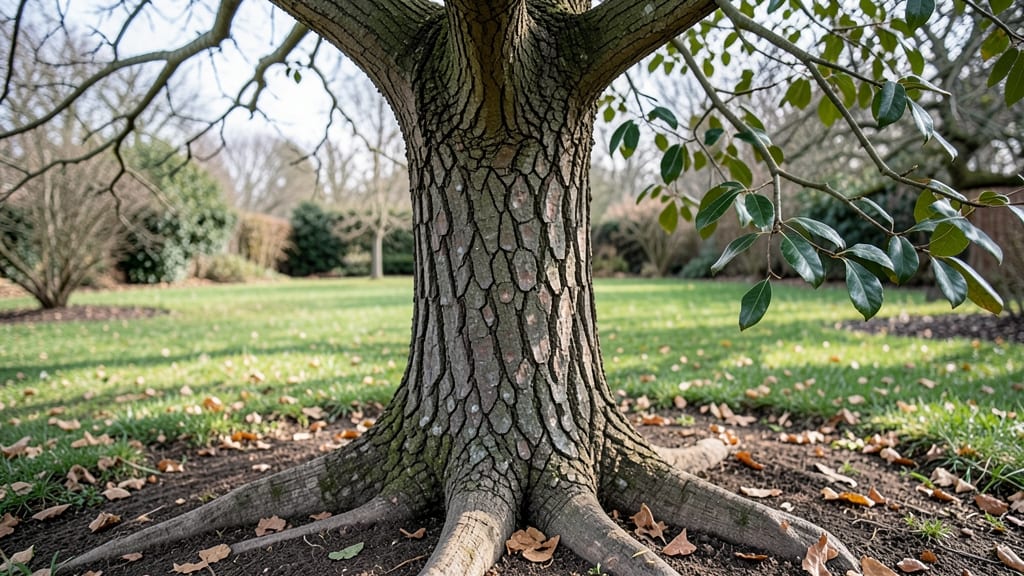
A Bradford pear tree trunk needs careful pruning to stay strong and healthy. 🌳 I've learned the hard way that skipping this step leads to weak branches and disease—so I developed a year-round routine that keeps my tree thriving for decades.
The key is three seasonal checks: light shaping in spring, structural pruning in summer, and cleanup in winter. You'll remove dead wood, thin crowded branches, and open the canopy for airflow—all while avoiding the common mistake of over-pruning, which stresses the tree.
By the end of a year, you'll see a straighter trunk, fewer weak limbs, and a tree that resists pests and diseases naturally. The wood becomes denser, the bark stays smoother, and your tree grows with confidence. Works for both young saplings and mature trees—just adjust the tools and timing.
Let's get that trunk in shape!
📚 In This Guide
- What you need
- Instructions
- Tips and common mistakes
- Wrapping up and next steps
What you need
- ● Pruning shears: Bypass pruners (sharp, 6-8" blades) for small branches (¼"–¾" thick). Pro tip: 💡 Disinfect blades with rubbing alcohol before and after use to prevent disease spread!
- ● Loppers: 1 pair (18-24" blades) for medium branches (¾"–2" thick). Look for ratchet-style for extra leverage.
- ● Pruning saw: 1 curved-tooth saw (for branches >2" thick). ✨ Tip: A folding saw saves space in your toolbox!
- ● Extension pole: 6–10 ft telescopic pole with pruner attachment for high branches.
- ● Gloves: Heavy-duty, cut-resistant gloves (e.g., mechanics’ or pruning gloves) to protect hands.
- ● Safety glasses: ANSI-rated for debris protection.
- ● Ladder: Sturdy, non-slip ladder (e.g., extension or step ladder, 12–16 ft height). 🔥 Safety first: Always have a spotter when using a ladder!
- ● Disinfectant: 70% isopropyl alcohol or 10% bleach solution (1 part bleach to 9 parts water) for cleaning tools.
- ○ Sealing wax: Pruning sealant (e.g., Tanglefoot Tree Wound Pruning Seal) for large cuts (optional but recommended).
- ● Trash bags: Heavy-duty bags (30–50 gallon) for debris removal.
- ● Tree paint: Water-based latex paint for sealing large cuts (if you prefer paint over wax).
- ● Pole saw: For very high or thick branches (alternative to extension pole + saw).
- ● Work boots: Steel-toe or waterproof boots for uneven terrain.
- ● First-aid kit: Bandages, antiseptic wipes, and tweezers for minor injuries.
- ● Notebook & pen: To sketch a pruning map of your tree’s structure.
How to prune a Bradford pear tree for year-round strength
Here's my no-fuss approach to keeping your Bradford pear's trunk sturdy and its growth vigorous through every season.
✂️ Step 1: Clean and Inspect the Trunk in Late Winter
Start in late winter (just before buds swell) when the tree is dormant but pests are inactive. Grab your sharp pruning shears and begin by removing any dead, diseased, or crossing branches at their base. Look for darkened bark, fungal growth, or branches rubbing together—these are weak points waiting to fail.
I always work from the bottom up, starting with any low-hanging branches that could damage the trunk if left. Use sterilized tools (wipe blades with rubbing alcohol between cuts) to prevent spreading disease. If you see suckers (shoots growing from the base), snip them off immediately—they drain energy from the main trunk.
☀️ Step 2: Thin the Canopy in Early Spring
Once new leaves appear (around March or April), focus on thinning the canopy to improve airflow. Remove 20-30% of the smallest branches—these are the ones growing inward or rubbing against others. Your goal is sunlight reaching the center of the tree, not just the outer branches.
Make cuts just above an outward-facing bud (about ¼ inch above) to encourage healthy growth. Avoid "heading back" (cutting back to a larger branch)—this creates dense, weak regrowth. You'll know you're doing it right when you can see light filtering through the branches from above.
🌿 Step 3: Monitor and Prune for Structural Integrity Mid-Summer
In July or August, check for water sprouts (fast-growing, vertical shoots) and weak crotches (where branches meet the trunk at sharp angles). These are common weak points that can split under snow or fruit weight. Use your pruning saw for thicker branches (over ½ inch diameter) and make cuts at a 45-degree angle, slanting away from the trunk.
I also look for co-dominant stems (two main branches growing upward from the same point). These compete for dominance and often split. If you see them, one must go—choose the stronger, healthier branch and remove the other at its base. This is the most critical step for long-term trunk health.
⏰ Step 4: Light Pruning in Fall to Prepare for Winter
In October or November, do a final light pruning to remove any deadwood or branches that could harbor pests over winter. Avoid heavy pruning now—new growth won’t harden off before frost. Instead, focus on cleaning up the tree’s structure so it enters dormancy strong.
This is also the time to seal any large wounds (over 2 inches wide) with pruning sealant (optional but helpful for preventing decay). Smaller cuts (under ½ inch) don’t need sealing—they’ll heal naturally. Finish by raking up fallen leaves around the base to reduce disease risk next spring.
🪴 Step 5: Year-Round Maintenance for a Healthy Trunk
Between pruning seasons, keep an eye out for peeling bark, cankers (sunken, dead spots), or oozing sap—these are signs of trouble. If you spot them, prune out the affected branch immediately and sterilize your tools. A healthy Bradford pear trunk should have smooth, firm bark with no cracks or soft spots.
Water deeply once a month during dry spells (check soil 6 inches down—it should be moist but not soggy). Mulch around the base with 2-3 inches of organic mulch (like shredded bark) to protect roots and retain moisture. This keeps the trunk stable and the tree resilient through temperature swings.
Tips & tricks for pruning a Bradford pear tree trunk
These simple but powerful strategies will help you maintain a Bradford pear trunk that stays strong and healthy through every season.
Timing is Everything: The late winter timing in Step 1 is critical because the tree is dormant but pests are inactive. If you prune too early, you risk damaging buds that haven't swollen yet. I've learned this the hard way—pruning in January when snow was still on the ground led to slower healing. Wait until just before buds swell, usually in February for most climates.
Tool Sterilization Matters: Between cuts in Step 1, always sterilize your pruning shears with rubbing alcohol. I've seen fungal diseases spread rapidly when tools weren't cleaned between branches. This is especially important when dealing with diseased wood. Keep a small bottle of rubbing alcohol in your pruning kit for quick clean-ups between cuts.
Visual Cues for Proper Pruning: In Step 2, when thinning the canopy, look for branches that create a "V" shape when they meet the trunk—that's a weak crotch. The goal is to create "U" shaped unions where branches meet the trunk. This simple visual check has prevented many trunk splits in my Bradford pears over the years. You'll know you're doing it right when you can see sunlight filtering through the branches.
Seasonal Pruning Checklist: Create a simple seasonal checklist based on the steps. In July/August (Step 3), mark water sprouts and weak crotches. In October/November (Step 4), note any deadwood and schedule sealing for large wounds. This visual reminder keeps me consistent year after year. I keep mine on my fridge door so I don't forget during busy gardening seasons.
Pro Tips for Bradford Pear Tree Trunk
- These simple but powerful strategies will help you maintain a Bradford pear trunk that stays strong and healthy through every season.
- Timing is Everything: The late winter timing in Step 1 is critical because the tree is dormant but pests are inactive.
- Tool Sterilization Matters: Between cuts in Step 1, always sterilize your pruning shears with rubbing alcohol.
Frequently asked questions
Got questions about caring for your Bradford pear tree trunk? You’re not alone!
Whether you're a new tree owner or a seasoned gardener, these common queries cover the essentials—from timing to troubleshooting. Let’s dive in!
When is the best time to prune a Bradford pear tree trunk?
The ideal time to prune your Bradford pear tree is late winter or early spring (before buds swell) to promote healthy growth and reduce disease risk. Avoid heavy pruning in fall, as wounds may not heal before winter. Light maintenance (like removing dead branches) can be done year-round, but major cuts should wait for dormancy.
How do I know if I’m pruning the Bradford pear trunk correctly?
Prune to open the canopy for airflow and sunlight—never remove more than 25% of the tree’s foliage in one session. Cut just outside the branch collar (the swollen area where the branch meets the trunk) at a 45-degree angle. Avoid leaving stubs or tearing bark, which invites pests and disease. Pro tip: Sterilize tools with rubbing alcohol between cuts!
What if my Bradford pear tree trunk develops cracks or splits?
Cracks in the trunk are often due to rapid growth, weather stress, or poor pruning. Small cracks can be monitored, but deep splits may require wound dressing (like tree sealant) to prevent decay. If the damage is severe (e.g., large splits or oozing sap), consult an arborist—your tree might need structural support or removal.
Are there alternatives to pruning Bradford pear trees?
While pruning is key for health, you can supplement care with mulching (2–4 inches of organic mulch, kept 6 inches from the trunk) and deep watering (1–2 inches per week). Avoid over-fertilizing, which stresses the tree. For pest issues (like borers), use neem oil or invite natural predators like birds—chemicals can harm the tree’s resilience.
Can I prune a Bradford pear tree trunk in winter?
Light pruning (removing dead or broken branches) is safe in winter, but avoid heavy cuts when the tree is dormant. Cold temperatures slow healing, increasing disease risk. If you must prune in winter, do so on mild, dry days (above 40°F) and prioritize structural integrity over cosmetic shaping.
Still unsure? Snap a photo of your tree’s trunk and branches—many local extension offices or arborists offer free consultations!
Wrapping up and next steps
Caring for your Bradford pear tree trunk through year-round pruning is a rewarding way to ensure its long-term health and beauty! 🌳 By removing dead branches, shaping strategically, and addressing pests early, you’ll promote strong growth and a stunning canopy.
Remember, consistency is key—even small efforts add up to big results over time.
Ready to take the next step? Grab your pruners and schedule a quick check-in with your tree this weekend! Whether you’re a pruning pro or just starting, every trim counts. Happy gardening! 🌟