
Pruning
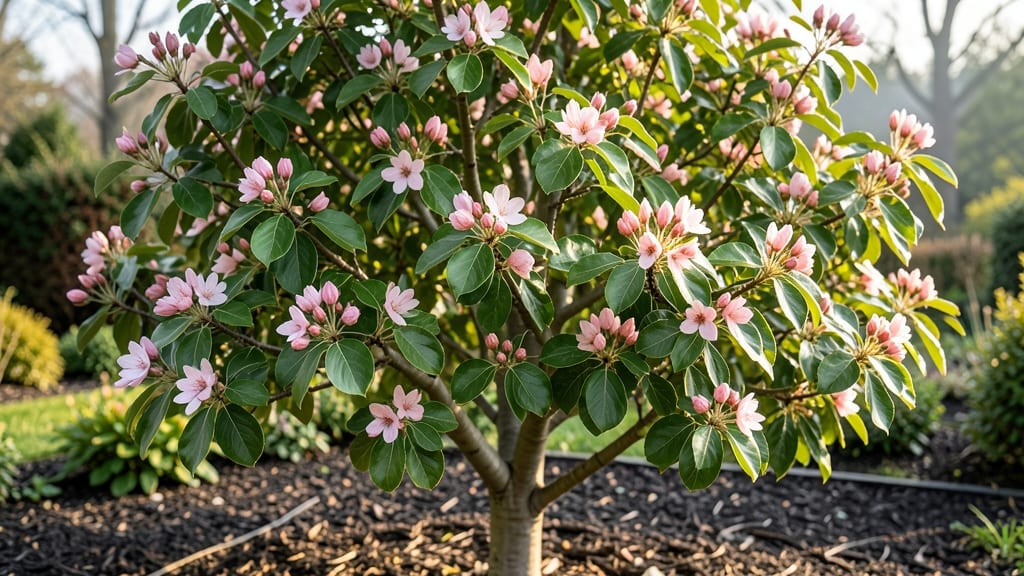
Flowering pear trees (Pyrus calleryana) can grow 30-50 feet tall—but their mature size depends entirely on the variety and how you care for them. 🌳 I planted a 'Bradford' last spring, and it’s already shooting up faster than I expected, though I’ve heard it can hit 40 feet if left unchecked.
The key to controlling size isn’t just pruning—it’s choosing the right spot and variety from the start. Some cultivars stay compact, like 'Chanticleer' (20-30 feet) or 'Capital' (25-35 feet), while others like 'Aristocrat' can stretch toward 50 feet without intervention.
Growth rate varies too: younger trees gain 2-3 feet per year, but mature trees slow down. Soil quality and climate play a role—rich, well-drained soil keeps them vigorous, while poor conditions stunt growth. With the right pruning, you can shape them into smaller, bushier trees—ideal for urban yards.
I’ve seen 'Bradfords' kept at 15-20 feet with regular thinning cuts, and the blooms still put on a show. The trade-off? Less height means fewer dramatic spring flowers, but more manageable maintenance. For tight spaces, consider dwarf varieties or root restriction techniques.
Just remember: pruning for size should happen in late winter or early spring before new growth starts. Let’s talk specifics—like spacing and pruning tips—to get yours looking its best.
📚 In This Guide
- What you need
- Instructions
- Tips and common mistakes
- Wrapping up and next steps
What you need
- ● Flowering pear tree (choose a variety based on your desired mature size—see our guide for height ranges!)
- ● Shovel or tree spade (for planting or transplanting)
- ● Pruning shears (bypass pruners, sharp and clean, for cutting branches under ½ inch thick)
- ● Loppers (for branches ½ to 1½ inches thick)
- ● Pruning saw (for thicker branches over 1½ inches)
- ● Gloves (heavy-duty gardening gloves to protect from thorns and sap)
- ● Mulch (2–4 inches of organic mulch like wood chips or bark)
- ○ Tree stake (optional but helpful) (if planting a young tree in windy areas)
- ○ Pruning sealant (optional, for sealing larger cuts to prevent disease)
- ● Hand saw or chainsaw (for very large branches, if needed)
- ● Ladder or step stool (for reaching higher branches safely)
- ● Disinfectant spray (to clean tools between cuts and prevent bacterial spread)
- ● Tree banding or protective wrap (to shield the trunk from pests or sun scorch)
- ● Soil amendments (compost or fertilizer to enrich planting soil)
Understanding flowering pear tree size: how variety and care shape growth
Flowering pear trees grow into stunning focal points—but their mature size varies wildly. Here’s how to predict and influence their height based on genetics and your growing approach.
🌿 Step 1: Identify Your Variety’s Genetic Growth Potential
Most flowering pear trees fall into three height categories at maturity: dwarf (15-25 feet), semi-dwarf (25-40 feet), or standard (40-60 feet). The 'Bradford Pear' (Pyrus calleryana 'Bradford'), for example, typically reaches 40-50 feet with a 30-foot spread, while the 'Chanticleer' variety stays compact at 20-30 feet. Check your tree’s label or consult a local nursery—genetics set the baseline, but pruning can adjust growth by 20-30%.
Here’s the thing—some varieties like 'Aristocrat' or 'Cleveland Select' are bred for controlled size, making them ideal for urban yards. Others, like the wild-type 'Callery Pear', can bolt upward unpredictably if unchecked. If you’re planting near power lines or sidewalks, prioritize dwarf cultivars to avoid future headaches.
☀️ Step 2: Optimize Sun and Soil for Controlled Growth
Flowering pears thrive in full sun (6+ hours daily), but too much intense sunlight can spur rapid, leggy growth. If your tree is stretching toward the sky with sparse foliage, it’s likely light-starved—move it to a sunnier spot or supplement with a dappled shade cloth in peak afternoon heat. The goal is balanced growth, not vertical sprinting.
Soil quality makes a bigger difference than most gardeners realize. Amend heavy clay with 2-3 inches of compost to improve drainage, and avoid nitrogen-heavy fertilizers—they fuel foliage at the expense of flower production. Instead, use a balanced 10-10-10 formula in early spring. You’ll notice slower, stockier growth with more blooms if the roots aren’t starved for nutrients.
✂️ Step 3: Prune Strategically to Shape Height and Structure
Prune flowering pears during dormancy (late winter/early spring) before buds swell, or immediately after flowering to avoid cutting off next year’s blooms. Remove suckers (shoots at the base) and water sprouts (vertical shoots in the canopy)—these compete for energy and send the tree skyward. Use clean, sharp pruners to make cuts just above a bud or lateral branch, angled slightly downward to shed water.
For height control, target 30-40% of the tree’s canopy in one session—never remove more than that in a year. Focus on thinning out crowded branches rather than topping (cutting the main stem). Topping triggers aggressive, weak regrowth that’s prone to disease. Instead, prune to an open-center shape to encourage airflow and future blooms.
🪴 Step 4: Monitor and Adjust for Long-Term Size Management
Take height measurements annually in early spring before new growth begins. If your tree exceeds your target by more than 2 feet, it’s time to adjust pruning intensity. For example, if a 'Bradford' is shooting toward 50 feet but you want it at 40, reduce canopy size by 10-15% that season. Patience is key—aggressive pruning shocks the tree and can reduce flowering.
Watch for epicormic branches (shoots growing along the trunk)—these are a sign of poor light penetration or over-fertilization. Remove them promptly to maintain a clean silhouette. Mulch the base with 2-3 inches of organic mulch (like wood chips) to retain moisture and regulate root temperature, which indirectly supports controlled growth.
⏰ Step 5: Plan for Mature Size When Planting
Before you dig, research your variety’s mature spread—some trees like 'Cleveland Select' have wide canopies (up to 35 feet) that need space. Plant at least 15 feet from structures, sidewalks, or other trees to avoid root competition and future pruning struggles. Dig the hole twice as wide as the root ball but no deeper—planting too deep suffocates roots and encourages upward growth.
Real talk: Even with perfect care, some flowering pears will outgrow expectations. If that happens, consider root restriction (planting in a large container for a few years) or grafting to a dwarfing rootstock for long-term control. Just don’t wait until the tree is 20 feet tall—early intervention saves years of frustration.
Tips & tricks for managing flowering pear tree height
Predicting and controlling your flowering pear's mature size starts with understanding its genetic potential—and here’s how to work with it.
Variety-Specific Considerations: The 20-30% pruning adjustment range mentioned for height control applies differently to each variety. For example, 'Bradford' pears with their 40-50 foot potential can tolerate more aggressive pruning (up to 40% of canopy) during their first 5 years, while 'Chanticleer' varieties (20-30 feet) should never exceed 30% pruning to avoid stressing the tree. I've seen 'Aristocrat' pears—bred for urban spaces—respond beautifully to annual 20% pruning sessions that maintain their 25-30 foot height perfectly.
Pruning Technique Nuances: When pruning to control height in Step 3, focus on removing the uppermost branches first to naturally lower the tree's growth point. This is particularly effective for 'Bradford' varieties where you want to maintain that iconic vase shape while keeping height in check. Always make your cuts just above a bud angled downward—this simple detail prevents water from pooling and causing rot. I learned this the hard way after seeing several cuts develop fungal issues from improper angles.
Soil and Sunlight Balance: The 6+ hours of sunlight requirement is non-negotiable, but how you provide that light matters. If your tree is getting intense afternoon sun, consider a 30% shade cloth during peak hours (1-4 PM) to prevent heat stress that can spur rapid, weak growth. For soil prep, the 2-3 inches of compost recommendation works wonders, but if you're dealing with sandy soil, add an extra inch of compost to help retain moisture—this slows vertical growth while encouraging bushier, more compact development.
Long-Term Growth Monitoring: The annual early spring height measurements are your best friend for long-term management. I recommend using a laser measuring tool for accuracy—it’s worth the investment if you're serious about controlling height. Record these measurements in a garden journal alongside your pruning notes. You'll start seeing patterns emerge after 3-4 years that help predict how your tree will mature based on your care approach.
Pro Tips for Flowering Pear Tree Size
- Predicting and controlling your flowering pear's mature size starts with understanding its genetic potential—and here’s how to work with it.
- Variety-Specific Considerations: The 20-30% pruning adjustment range mentioned for height control applies differently to each variety.
- Pruning Technique Nuances: When pruning to control height in Step 3, focus on removing the uppermost branches first to naturally lower the tree's growth point.
Frequently asked questions
Got questions about your flowering pear tree’s size or growth? Here are answers to the most common concerns—whether you're planning for space, timing blooms, or troubleshooting growth issues.
How tall does a flowering pear tree grow at maturity?
A standard flowering pear tree typically reaches 25–40 feet tall at maturity, with a spread of 20–30 feet. Dwarf varieties (like Bradford or Chanticleer) stay between 15–25 feet, making them ideal for smaller yards. Always check the specific variety’s label for precise expectations!
How fast does a flowering pear tree grow?
Flowering pear trees are fast-growing, averaging 12–24 inches per year in ideal conditions. In the first 5–10 years, you’ll see the most rapid growth. After that, their expansion slows to 6–12 inches annually. Pruning young trees can help manage their size and shape early on.
When do flowering pear trees bloom, and how does it affect their size?
These trees bloom in early spring (March–April), often before leaves emerge. Blooming doesn’t directly impact size, but heavy fruit production (if not pruned) can divert energy from growth. Regular pruning after blooming (late spring/early summer) keeps the tree healthy and controls its spread.
Can a flowering pear tree be kept small in a limited space?
Yes! Choose a dwarf or columnar variety (e.g., Cleveland Select or Aristocrat) for tight spaces. Prune aggressively in late winter/early spring to limit height and width. Avoid over-pruning, though—these trees need structure to support their blooms and branches.
Why is my flowering pear tree growing unevenly or not at all?
Uneven growth often stems from poor soil, overcrowding, or pest damage. Check for borers or scale insects (common issues). Ensure it gets full sun (6+ hours/day) and well-draining soil. If growth stalls, fertilize in early spring with a balanced, slow-release formula (10-10-10).
Wrapping up and next steps
Choosing the right flowering pear tree size for your space—and giving it the care it deserves—sets the stage for a stunning, low-maintenance landscape centerpiece. 🌸 From dwarf varieties perfect for small yards to towering specimens that command attention, there’s a pear tree to match every vision.
Whether you’re pruning for shape, health, or blooms, consistency and patience will reward you with years of vibrant color and seasonal charm.
Ready to transform your outdoor space? Start by sketching your tree’s future spot—measure your yard, research your local climate, and pick a variety that fits! Then, grab your pruners and get growing—your future floral masterpiece is waiting.