
Trees
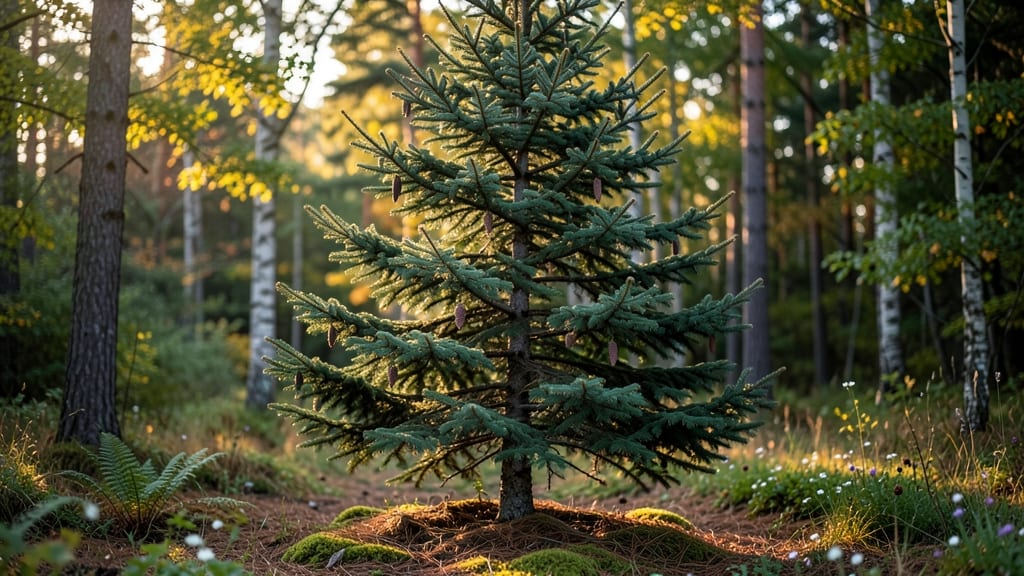
The balsam fir Christmas tree scent creates that nostalgic winter magic through its unique blend of natural terpene oils like pinene and limonene, evoking the crisp, resinous aroma of frosty evergreen forests. This distinct fragrance is why it tops holiday decorating lists.
The balsam fir's signature holiday aroma isn't just pleasant—it's scientifically crafted. 🌲 The pinene compounds give it that sharp, fresh piney note, while limonene adds citrusy brightness. What makes it special is how these oils interact with cold air, releasing more fragrance molecules when temperatures drop.
Unlike pine trees (which often smell more medicinal) or spruce (which can be sharper), balsam fir strikes the perfect balance between sweet and earthy, making it the quintessential Christmas tree scent.
This unique fragrance profile isn't just about chemistry—it's about nostalgia. The scent triggers memories of childhood holidays, snow-covered forests, and the cozy feeling of a freshly cut tree filling your home. That's why balsam fir remains the gold standard for Christmas trees, even decades after its popularity began.
The combination of its natural oils and the psychological association with winter traditions creates an experience that's hard to replicate with artificial scents.
💡 In This Article
- Science Behind Balsam Fir’s Iconic Holiday Scent
- Tips to Preserve Balsam Fir Scent in Your Home
Science behind balsam fir's iconic holiday scent
The balsam fir's signature winter aroma comes from a complex mix of volatile organic compounds called terpenes, with pinene and limonene playing starring roles. Pinene gives that crisp, piney freshness we associate with Christmas mornings, while limonene adds a subtle citrusy brightness that rounds out the scent.
These compounds are released through tiny oil glands on the needles, creating that familiar resinous fragrance that fills a room when you bring a fresh tree indoors. 🌲
What makes balsam fir unique is its specific terpene ratio compared to other evergreens. While regular pine trees contain more α-pinene (which can smell slightly medicinal), balsam fir has a balanced blend of both α and β pinene, plus myrcene that adds earthy depth.
This combination creates that sweet, clean scent rather than the sharper aroma of spruce trees. The needles also contain bornyl acetate, which contributes to the tree's camphor-like undertones that become more noticeable as the tree ages.
Cold temperatures actually enhance the scent diffusion process. When air gets chilly, the terpene molecules become more volatile, releasing more fragrance particles into the air. This is why freshly cut balsam fir trees smell even more intense during winter months.
The cold air also helps preserve the scent longer by slowing down the oxidation process that would otherwise break down these aromatic compounds. 💫 This scientific phenomenon explains why that first whiff of a Christmas tree feels like a sensory time machine to childhood holidays.
Another fascinating aspect is how the scent changes over time. Freshly cut balsam fir trees release the most fragrance in the first 24-48 hours as the terpenes are most concentrated. After that, the scent gradually mellows as the tree drinks water and the needles begin to dry out.
This natural progression is why many people associate the strongest Christmas tree aromas with the first few days after bringing it indoors.
For comparison, consider how other evergreens smell differently: Douglas fir has a stronger, almost sweet pine scent due to higher limonene content, while Fraser fir contains more camphene, giving it a sharper, more medicinal aroma.
Balsam fir strikes that perfect balance between sweet and earthy, making it the ideal choice for holiday decorating. The science behind its fragrance explains why it's been the top Christmas tree choice for generations.