
Companion Plants
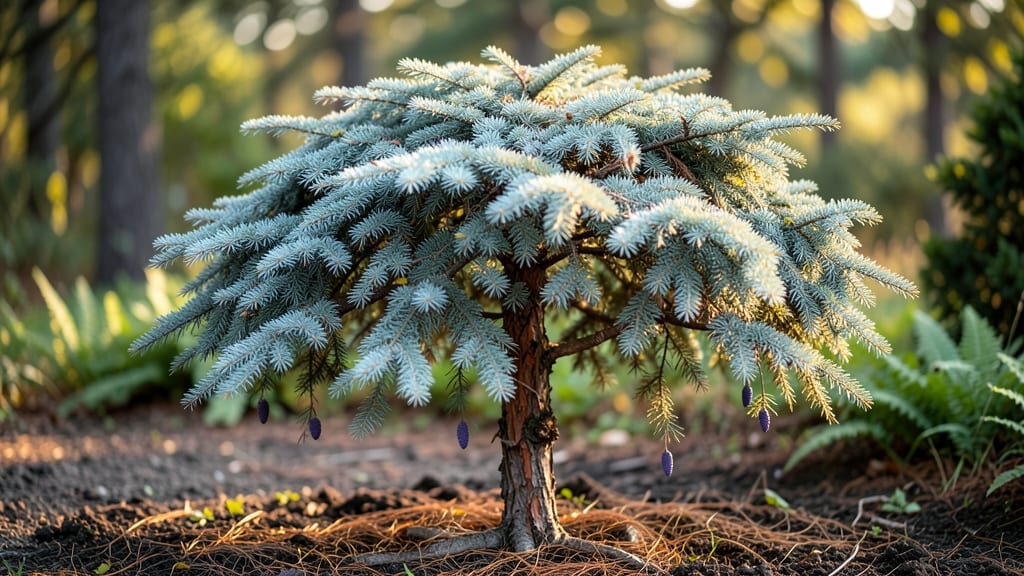
Planting cedar trees means year-round privacy that never loses its charm. 🌲 I learned the hard way that not all cedars thrive in every climate—Eastern Red Cedar handles harsh winters beautifully, while Leyland Cedar grows faster but needs milder zones.
The right choice transforms your yard from an open space to a lush, evergreen sanctuary. Start with well-draining soil and full sun exposure—cedars hate soggy roots. Space them 3-6 feet apart depending on the variety, and plant in early spring or fall when temperatures are mild.
Dig a hole twice as wide as the root ball but no deeper, then water deeply to settle the soil. Once established, cedars need minimal care: a light pruning in early spring keeps them shaped, and mulch helps retain moisture.
Watch for bagworms or spider mites—spraying with horticultural oil usually does the trick. With proper placement, these trees grow steadily for decades. Perfect for windbreaks, hedges, or standalone privacy screens. The best part? They stay green even in winter, giving you that cozy, secluded feeling year-round.
Let’s get those roots in the ground!
📚 In This Guide
- What you need
- Instructions
- Tips and common mistakes
- Wrapping up and next steps
What you need
- ● Cedar tree plants: Choose between: Eastern Red Cedar (Juniperus virginiana) – 1-3 plants per 10-foot section of privacy screen
- ● Western Red Cedar (Thuja plicata) – 1-2 plants per 6-foot spacing (larger, faster-growing)
- ● Seedlings or 1-3 gallon containers (for immediate privacy)
- ● High-quality potting soil or native soil mix: 5-10 bags (depending on planting scale)
- ● Organic mulch (pine straw, wood chips, or cedar mulch): 2-3 cubic yards
- ● Slow-release fertilizer (10-10-10 or cedar-specific blend): 1-2 bags
- ● Shovel or spade: 1 (for digging holes 2-3x wider than the root ball)
- ● Garden trowel: 1 (for delicate root adjustments)
- ● Wheelbarrow or bucket: 1 (for mixing soil/fertilizer)
- ● Measuring tape: 1 (to ensure proper spacing)
- ● Gloves and knee pads: 1 pair each (for comfort)
- ● Watering can or hose with nozzle: 1 (for deep watering)
- ● Site prep: Clear weeds, rocks, and debris from the planting area. Cedar trees thrive in full sun to partial shade (6+ hours of sunlight daily).
- ○ Soil test (optional but recommended): Ensure pH is between 5.0–7.0 (cedars tolerate acidic to neutral soil). Adjust with lime or sulfur if needed.
- ● Weather check: Plant in early spring or fall (avoid extreme heat or frost).
- ○ Drip irrigation system (optional): Invest in one if your area has dry spells—cedars need 1–1.5 inches of water weekly.
How to plant cedar trees for a year-round privacy screen
Here's the straightforward method I use to establish a lush, cold-resistant cedar hedge that stays green through every season.
🌱 Step 1: Choose the Right Cedar Variety for Your Climate
For northern climates, Eastern Red Cedar (Juniperus virginiana) thrives in zones 2-9, while Leyland Cypress (a hybrid) handles zones 6-10 with faster growth. I always check the mature height—15-40 feet tall—to match your privacy needs. Smaller varieties like Blue Atlas Cedar (Cedrus atlantica) work well for shorter screens.
Pick balled-and-burlapped (B&B) plants over container-grown if your soil is heavy clay. B&B roots establish better in compacted ground. For 4 plants, plan spacing at 3-6 feet apart—closer for quicker coverage, wider for larger mature trees. The key is matching the spacing to your desired timeline for full privacy.
☀️ Step 2: Select and Prepare the Planting Site
Cedars love full sun—at least 6 hours daily—but tolerate partial shade if you're in a hotter zone. Avoid low spots where water pools after rain. Test your soil: cedars prefer slightly acidic to neutral pH (6.0-7.5). If your soil is heavy clay, amend with 2-3 inches of compost mixed into the top 12 inches of soil.
Dig planting holes twice as wide as the root ball but only as deep as the container. Loosen the roots of B&B plants by gently pulling back the burlap at the bottom. For container-grown plants, tease the roots outward if they're circling. This ensures they spread into the new soil instead of staying in a tight knot.
🪴 Step 3: Plant with Proper Spacing and Support
Place each plant so the top of the root ball sits 1-2 inches above ground level. This prevents root rot in heavy soils. Backfill with native soil (no amendments in the hole) and tamp gently to remove air pockets. Water deeply to settle the soil—1-2 gallons per plant—until moisture reaches 6 inches down.
Stake only if your area gets strong winds. Use 2-3 stakes per plant, tying with soft fabric strips (never wire—it cuts into bark). Space plants 3-6 feet apart for a dense screen. Mulch with 2-3 inches of wood chips, keeping it 6 inches away from the trunk to prevent rot. This conserves moisture and suppresses weeds without smothering the roots.
💧 Step 4: Water and Fertilize for the First Growing Season
Water deeply once a week for the first 6-8 weeks, aiming for 1-1.5 inches of water per plant. You'll know it's enough when the soil 6 inches down feels consistently moist. After that, cedars are drought-tolerant once established, but young plants need consistent moisture to develop strong roots.
Skip fertilizer the first year—cedars grow slowly and don't need extra nutrients. In year two, apply a slow-release, balanced fertilizer (10-10-10) in early spring. Scatter granules 6 inches from the trunk and water in. Over-fertilizing causes weak growth and attracts pests. Prune only to shape in late winter—never remove more than 25% of the foliage in one season.
✂️ Step 5: Prune and Maintain for Long-Term Health
Wait 2-3 years before pruning for shape. Use clean, sharp shears to make cuts just above a leaf node. Prune in late winter or early spring before new growth begins. For a formal hedge, trim twice a year: once in late spring and again in mid-summer. Always leave the lower branches to maintain density at the base.
Watch for bagworms or spider mites—common cedar pests. Treat with neem oil if you spot webbing or yellowing needles. Cedar trees rarely need pesticides if planted in well-draining soil. In years 4-5, your screen should be fully dense, providing year-round privacy with minimal maintenance.
Tips & tricks for perfect cedar tree planting
A few smart moves will help your cold-hardy cedar screen grow strong and dense year after year.
Variety Matters: Eastern Red Cedar is my go-to for northern climates because it handles zones 2-9 beautifully. If you're in zone 6-10 and want faster growth, Leyland Cypress is a great alternative—but watch for its mature height of 40 feet! For shorter screens, Blue Atlas Cedar gives you that classic cedar look without the towering height. I always check the mature height first to match my privacy needs.
Root Prep is Critical: When planting B&B cedars, don't just drop them in the hole! Gently pull back the burlap at the bottom to loosen the roots before planting. For container-grown plants, tease the roots outward if they're circling—they'll spread into the new soil instead of staying in a tight knot. This simple step makes all the difference in how quickly your trees establish.
Watering Wisdom: Those first 6-8 weeks are crucial for root development. Water deeply once a week, aiming for 1-1.5 inches per plant. The key is getting moisture down to 6 inches—use a trowel to check. Overwatering is just as bad as underwatering, so let the top inch dry out between waterings. This balance prevents root rot while ensuring your young trees get the moisture they need to thrive.
Long-Term Maintenance: Wait until years 4-5 before expecting full privacy, but you can accelerate growth by pruning strategically. For formal hedges, trim twice a year—late spring and mid-summer—but never remove more than 25% of the foliage in one season. Always leave the lower branches to maintain that dense, private look at the base. And remember: cedars rarely need pesticides if planted in well-draining soil.
Pro Tips for Cedar Tree Plants
- A few smart moves will help your cold-hardy cedar screen grow strong and dense year after year.
- Variety Matters: Eastern Red Cedar is my go-to for northern climates because it handles zones 2-9 beautifully.
- Root Prep is Critical: When planting B&B cedars, don't just drop them in the hole!
Frequently asked questions
Got questions about growing cedar tree plants? You’re not alone—these cold-hardy evergreens are fantastic for privacy screens, but they do require some know-how. Here are answers to the most common queries to help you plant with confidence!
When is the best time to plant cedar trees?
Plant cedar trees in early spring or fall when temperatures are mild. Avoid extreme heat or frost, as young roots are sensitive. Spring planting gives them time to establish before winter, while fall allows them to settle before dormancy. Pro tip: Water deeply after planting to reduce transplant shock!
How cold-hardy are cedar trees, really?
Most cedar varieties (like Eastern Red Cedar or Thuja species) thrive in USDA Zones 3–9, surviving winters as low as -30°F (-34°C). However, young trees may need winter protection (like mulch) in harsh climates. Watch for: Brown needles in winter—this is normal, but excessive browning could signal stress.
Can I plant cedar trees near my house or fence?
Yes! Cedar trees are great for privacy screens and thrive near structures, but keep them 3–6 feet away from foundations to avoid root competition or moisture issues. For fences, plant 1–2 feet back to allow airflow and prevent rot. Bonus: Their aromatic foliage deters pests like deer and rabbits!
What if my cedar tree isn’t growing fast enough?
Cedars grow slow to moderate (6–24 inches per year), but slow growth can signal poor soil, overwatering, or pests. Check:
- Soil: Ensure it’s well-draining (cedars hate soggy roots). Amend clay soil with compost.
- Water: Water deeply once a week (more in droughts), but avoid waterlogging.
- Pests: Look for bagworms or spider mites—treat with neem oil if spotted.
Are there cedar alternatives for smaller spaces?
If space is tight, consider these cedar-like companions:
Plant
Height at Maturity
Key Benefit
Arborvitae (Thuja)
3–40 ft
Dense foliage, deer-resistant, and faster-growing than some cedars.
Juniper (Juniperus)
2–30 ft
Drought-tolerant, fragrant, and great for hedges.
Leyland Cypress
30–60 ft
Fast-growing privacy screen (but needs more space).
Wrapping up and next steps
Cedar tree plants are a fantastic choice for adding beauty, privacy, and resilience to your landscape—no matter the season! 🌲 Their cold-hardy nature, low-maintenance care, and aromatic appeal make them a win-win for both beginners and seasoned gardeners.
Whether you're planting for a lush green screen, wildlife support, or simply to elevate your outdoor space, cedars deliver year after year.
Ready to take the next step? Research the best cedar variety for your climate (Eastern Red, White, or Atlas?), then grab your gloves and get planting! Your future self—and your neighbors—will thank you. 🌱