
Leaf Blower
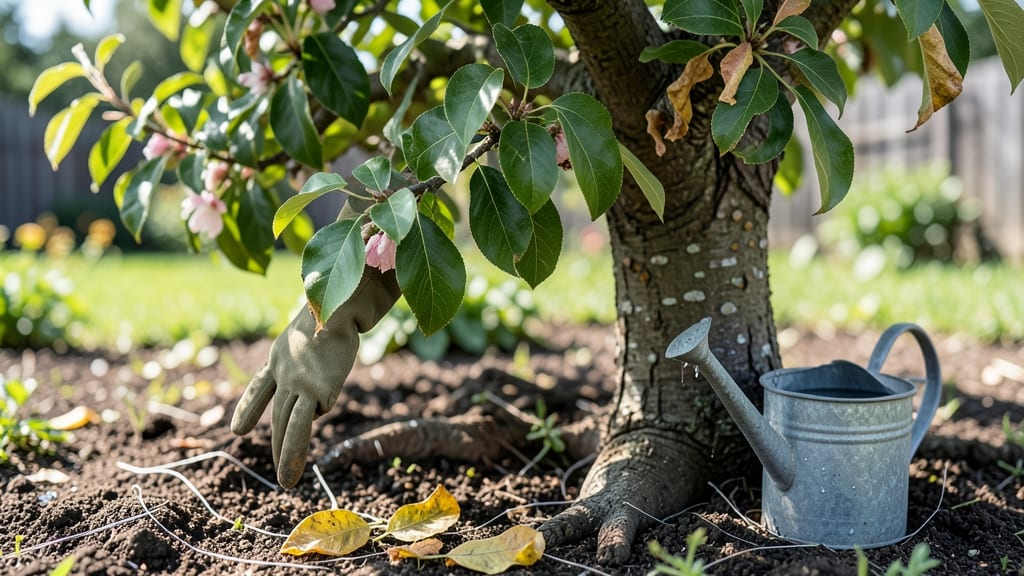
When your peach tree’s leaves suddenly wilt like a sad green flag, peach tree leaf wilt is usually the culprit—and copper spray can be the game-changer you need. 🌿 I’ve seen this fungal blight turn lush trees into deflated messes, but the right treatment brings them roaring back to life.
The key is acting fast before the disease spreads to the fruit or weakens the tree’s roots.
This isn’t just about spraying copper willy-nilly—it’s about timing, pruning the right way, and giving your tree the care it craves. Start by identifying the wilt: look for dark spots on leaves, curling edges, or premature leaf drop.
If it’s fungal (like leaf spot or brown rot), copper spray is your best bet—just apply it before bud break in early spring or after harvest when the tree’s defenses are strongest.
Within 2-3 weeks of treatment, you’ll see new growth pushing through, and those sad leaves will start converting to vibrant green again. The secret? Consistent care: water at the base (not overhead), thin the canopy for airflow, and remove fallen leaves to break the fungal cycle.
Your tree will thank you with juicy peaches next season.
Works for home gardeners and orchard owners alike—just adjust the spray volume based on tree size. Let’s get that tree thriving again!
Root Causes Of Leaf Wilt
Understanding why your peach tree’s leaves are wilting is the first step toward reviving its health. Wilting often signals distress, and the culprits can range from environmental stressors to hidden pests or diseases.
Here’s a breakdown of the most common reasons behind leaf wilt in peach trees, explained in clear, actionable terms.
Peach trees are sensitive to extreme temperatures, and prolonged heat—especially when combined with drought—can cause leaves to wilt as a survival mechanism. When soil moisture drops below 50%, roots struggle to absorb water efficiently, leading to transpiration stress.
The tree’s vascular system can’t keep up with the demand, causing leaves to droop and curl.
Key signs to watch for:
- Wilting that occurs midday or early afternoon (leaves perk up at night).
- Brown or crispy leaf edges (a sign of dehydration).
- Soil pulling away from the pot (if potted) or cracked, dry ground (in-ground trees).
Why it happens: Peach trees are native to temperate climates and aren’t adapted to prolonged heatwaves. When temperatures exceed 90°F (32°C), the tree’s stomata (pores on leaves) close to conserve water, but this also halts photosynthesis. Without moisture, cells lose turgor pressure, leading to wilting.
Actionable fix:
- Mulch heavily (3–4 inches of organic mulch) to retain soil moisture and regulate temperature.
- Water deeply 2–3 times per week (1–2 inches per session) at the root zone, not the foliage.
- Provide afternoon shade with shade cloth (30–50%) during heatwaves.
- Avoid overhead irrigation—use drip systems to minimize evaporation.
Wilting isn’t always about drought—overwatering can be just as damaging. Peach trees thrive in well-draining soil, and soggy roots suffocate, preventing oxygen uptake.
This leads to root rot (often caused by Phytophthora fungi), which disrupts the tree’s ability to absorb water and nutrients, even if the soil is wet.
Key signs to watch for:
- Yellowing leaves (chlorosis) paired with wilting.
- Mushy, black roots when inspected (a red flag for rot).
- Wilting that persists even after watering (roots can’t function).
Why it happens: Peach trees have shallow, fibrous root systems that need aeration. Compacted or waterlogged soil cuts off oxygen, forcing roots to "drown." Over time, this weakens the tree’s structural integrity, causing leaves to wilt as a symptom of systemic decline.
Actionable fix:
- Test soil moisture with a trowel—stick it 2 inches deep. If it’s damp, wait to water.
- Improve drainage by amending soil with compost or perlite (20–30% mix).
- Use raised beds if your soil is naturally heavy clay.
- Water in the morning to allow excess moisture to evaporate by evening.
Fungal diseases like bacterial leaf scorch, peach leaf curl, or root rot (Verticillium or Fusarium) are major causes of wilting. These pathogens clog the tree’s xylem vessels (water-conducting tubes), preventing moisture from reaching the leaves.
Copper-based fungicides (like the ones used to treat blight) are effective because copper disrupts fungal spore germination and cell wall formation.
Key signs to watch for:
- Wilting that spreads from the bottom up (classic sign of root rot).
- Dark, greasy spots on leaves (bacterial infections).
- Premature leaf drop even with adequate water.
- Cankers or lesions on branches (fungal entry points).
Why it happens: Fungi thrive in humid, stagnant conditions. Peach trees are particularly vulnerable after spring rains or overhead watering, which splashes spores onto leaves and bark. Once established, fungi produce toxins that disrupt the tree’s vascular system, leading to wilting.
Actionable fix:
- Apply copper fungicide (e.g., Bordeaux mixture or copper hydroxide) before bud break (late winter) and after harvest (fall) to prevent spore germination.
- Prune infected branches (sterilize tools with 70% alcohol between cuts).
- Space trees for airflow (3–4 feet apart) to reduce humidity around foliage.
- Avoid watering leaves—direct soil-level irrigation only.
Pests like aphids, scale insects, or peach tree borers weaken trees by sapping sap or tunneling into bark.
This disrupts the tree’s nutrient and water transport system, causing leaves to wilt. Aphids, for example, inject toxic saliva that distorts growth, while borers create girdling wounds that strangle the tree.
Key signs to watch for:
- Sticky residue (honeydew) on leaves (aphid/scale infestation).
- Sawdust-like frass near the trunk (borer activity).
- Wilting in patches (localized pest damage).
- New shoots dying back (borers target growing tips).
Why it happens: Peach trees are highly attractive to pests due to their sweet sap. Stressed trees (from drought, poor soil, or disease) are even more vulnerable. Pests block xylem vessels with their feeding or tunneling, creating physical and chemical barriers to water flow.
Actionable fix:
- Spray with neem oil (disrupts pest life cycles) or insecticidal soap (for soft-bodied pests like aphids).
- Introduce beneficial insects (ladybugs, lacewings) to control populations naturally.
- Wrap trunks with tree guard in early spring to deter borers.
- Remove heavily infested branches and dispose of them in sealed bags.
Wilting can also stem from nutrient imbalances, particularly potassium (K) or magnesium (Mg) deficiencies. These minerals are critical for osmotic regulation (water balance in cells) and enzyme function. Without them, leaves lose turgor and wilt, even with ample water.
Key signs to watch for:
- Yellowing between leaf veins (magnesium deficiency).
- Brown, dead patches on leaf edges (potassium deficiency).
- Slow growth paired with wilting (general malnutrition).
Why it happens: Peach trees are heavy feeders and deplete soil nutrients quickly. Over-fertilizing with nitrogen (N) can also burn roots, exacerbating wilting. Acidic or alkaline soil (pH outside 6.0–7.0) locks out essential minerals, making them unavailable to roots.
Actionable fix:
- Test soil pH (home kits work) and amend with lime (to raise pH) or sulfur (to lower pH) as needed.
- Apply a balanced fertilizer (e.g., 10-10-10) in early spring, followed by a potassium-rich supplement (like greensand) in late summer.
- Use compost tea (rich in micronutrients) as a foliar spray for quick uptake.
- Avoid synthetic fertilizers—opt for organic matter (compost, worm castings) to improve soil structure.
Peach trees can wilt in response to physical stress from high winds, salt buildup (from poor irrigation water), or air pollution (ozone, sulfur dioxide). These factors damage cell membranes, reduce photosynthesis, and disrupt stomatal function, leading to wilting.
Key signs to watch for:
- Wilting on one side of the tree (wind damage).
- Crusty white residue on soil (salt buildup from hard water).
- Yellowing on upper leaves (ozone damage—common in urban areas).
Why it happens:
- Wind causes desiccation by increasing transpiration rates beyond the tree’s ability to replace moisture.
- Salt (from tap water or fertilizers) osmotically draws water out of roots, making absorption difficult.
- Pollutants like
Revive Your Tree with Targeted Fixes
When your peach tree’s leaves start wilting, the first step is identifying the root cause—whether it’s fungal blight, bacterial infection, environmental stress, or nutrient deficiency. Once you’ve pinpointed the issue, follow these practical, step-by-step solutions to restore your tree’s health and prevent future wilting.
Remember, early action is key! Let’s tackle this together.
Fungal infections like Taphrina deformans (leaf curl) or Monilinia fructicola (brown rot) thrive in damp conditions and can cause rapid wilting. Copper-based sprays are your best defense, but timing and consistency matter.
🔥 Step 1: Prune Infected Leaves & Fruit
- 👨🍳 Remove all curled, brown, or wilted leaves—even if they’re just a few.
Use sterilized pruners (wipe with rubbing alcohol) to avoid spreading spores. - 🍎 Cut out infected fruit (especially mummies from brown rot) and dispose of them in the trash not the compost pile. - ⏰ When? Do this before bud break in early spring and again after harvest.
🥘 Step 2: Apply Copper Fungicide (The Game-Changer)
Copper sprays disrupt fungal cell walls and are organic-approved.
Here’s how to use them effectively: - 📊 Choose the right product: Look for copper hydroxide or copper sulfate (e.g., Bonide Copper Fungicide, Garden Safe Copper Soap). - 🌡️ Timing is critical: - First spray: Dormant season (late winter/early spring, before buds swell). - Second spray: Just after petal fall (when flowers drop). - Third spray: Post-harvest (late summer) to prevent reinfection. - 🎯 Application tips: - Spray until leaves glisten—don’t skimp! - Cover both sides of leaves and the tree’s trunk. - Reapply every 7–14 days during rainy or humid spells.
💡 Pro Tips for Fungal Control
- 🌧️ Avoid overhead watering—fungi love moisture.
Water at the base of the tree in the morning. - 🌿 Improve airflow: Thin out dense branches to reduce humidity near the leaves. - 🔄 Rotate treatments: Alternate copper with neem oil or baking soda spray (1 tbsp baking soda + 1 tsp oil + 1 gallon water) for resistance management.
If wilting is paired with black spots, oozing cankers, or yellowing, bacteria like Xanthomonas or Pseudomonas may be to blame. These are trickier to treat but not hopeless!
🔪 Step 1: Sterilize & Prune Aggressively
- 👨🍳 Cut out infected branches at least 6 inches below the canker (bacteria hide in the wood).
- 🔥 Burn or bag pruned material—do not compost it.
- 🧼 Sterilize tools between cuts with bleach solution (1 part bleach to 9 parts water).
🥘 Step 2: Use Copper Bactericide
- 📊 Same copper products as for fungi work here too (copper disrupts bacterial cell membranes).
- 🎯 Spray schedule:
- First application: Early spring (dormant season).
- Second application: After pruning (to seal wounds).
- Third application: Post-harvest (late summer).
- ⚠️ Warning: Copper can burn leaves if applied in hot weather. Avoid spraying when temps exceed 85°F (29°C).
💡 Pro Tips for Bacterial Issues
- 💦 Reduce leaf wetness: Water deeply but infrequently (drip irrigation > sprinklers).
- 🌱 Boost tree health: Apply balanced fertilizer (10-10-10) in early spring to strengthen defenses.
- 🚫 Prevent reinfection: Remove all fallen leaves from under the tree (they harbor bacteria).
Wilting from drought, heat stress, or poor soil is often reversible with quick adjustments.
💦 Step 1: Deep Watering Technique
- 👨🍳 Water slowly at the base (not the leaves) for 1–2 hours to encourage deep root growth.
- ⏰ Best time: Early morning (reduces evaporation and fungal risk).
- 📊 How much? 1–1.5 inches per week (more in extreme heat).
Use a moisture meter or the "screwdriver test" (push a screwdriver into the soil—if it resists, it’s dry enough).
🌡️ Step 2: Mulch & Shade Strategically
- 🍃 Apply 2–3 inches of mulch (wood chips or straw) away from the trunk to retain moisture.
- 🌳 Provide afternoon shade (use shade cloth or plant nearby trees) if your tree is in a hot, sunny spot.
- 🌿 Avoid compacted soil: Loosen soil 6–12 inches deep around the roots to improve water absorption.
💡 Pro Tips for Stress Relief
- 🌱 Use drought-resistant mulch: Pine bark or straw retains moisture better than grass clippings.
- 💧 Drip irrigation > hose: It delivers water consistently and reduces runoff.
- 🍃 Monitor for overwatering: Wilting can also signal root rot—check for mushy, discolored roots if the soil stays soggy.
If wilting is paired with yellow leaves (chlorosis), stunted growth, or weak branches, your peach tree may be nutrient-deficient.
📊 Step 1: Soil Test First!
- 🔬 Send a sample to a local extension office (or use a home test kit).
- 🌱 Common deficiencies in peach trees:
- Nitrogen (N): Yellow lower leaves → Use blood meal or compost.
- Potassium (K): Weak stems, brown leaf edges → Apply wood ash or greensand.
- Magnesium (Mg): Yellow between leaf veins → Use Epsom salt spray (1 tbsp per gallon).
🍃 Step 2: Fertilize Correctly
- 👨🍳 Best fertilizers for peach trees:
- Early spring: Balanced 10-10-10 (promotes new growth).
- Post-harvest (late summer): Low-nitrogen, high-potassium (e.g., 5-10-10) to harden wood for winter.
- ⚠️ Avoid over-fertilizing: Too much nitrogen causes excessive leafy growth (which attracts pests).
- 💧 Water after fertilizing to prevent root burn.
💡 Pro Tips for Feeding Your Tree
- 🌱 Slow-release fertilizer: Granular options (like Osmocote) feed steadily over 3–6 months.
- 🍎 Avoid synthetic fertilizers in fall: They encourage late-season growth, which weakens winter hardiness.
- 🌿 Compost tea: A natural nutrient boost—brew compost in water for 24–48 hours, then dilute and spray on leaves/soil.
Once your tree is back in shape, proactive care keeps it healthy long-term: ✅ 🌧️ Sanitize tools before and after pruning (bleach or alcohol). ✅ 🍃 Remove fallen leaves/fruit promptly (especially after storms). ✅ 🌱 Mulch annually to maintain moisture and soil health. ✅ 📅 Stick to a spray schedule (copper in dormant season + post-harvest). ✅
Frequently asked questions about peach tree leaf wilt
Why do peach tree leaves wilt suddenly, even when the soil looks moist?
Sudden wilting with moist soil often signals root rot or fungal blockages in the tree’s water transport system. Check for mushy, black roots (root rot) or dark spots on leaves (bacterial infections). Overwatering or compacted soil creates anaerobic conditions that suffocate roots, preventing moisture uptake—even when the surface feels damp.
Can I still save my peach tree if half the leaves are already wilted?
Yes! Act fast with copper fungicide (for fungal diseases) and prune infected branches immediately. Remove 100% of wilted leaves and fruit to break the disease cycle. For environmental stress (heat/drought), deep water at the root zone and apply 2-3 inches of mulch to retain moisture. Recovery takes 2-4 weeks with consistent care.
How often should I spray copper fungicide for peach tree leaf wilt?
Apply copper fungicide 3 times per season: late winter (before buds swell), after petal fall (flower drop), and post-harvest (late summer). For severe infections, add a 4th spray every 10-14 days during rainy/humid periods. Always spray until leaves glisten and avoid temps above 85°F (29°C) to prevent leaf burn.
What’s the difference between fungal wilting and bacterial wilting in peach trees?
Fungal wilting (like leaf curl or brown rot) shows curled, brown leaves with dark spots, while bacterial wilting (e.g., leaf scorch) causes yellowing between veins and oozing cankers. Fungi thrive in damp conditions, while bacteria spread through wounds. Copper works for both, but bacterial infections often require aggressive pruning (6+ inches below damage) to prevent spread.
Will my peach tree recover if I only treat the wilted leaves?
No—treating only wilted leaves won’t stop the problem. The disease or stress affects the entire tree’s vascular system. Focus on root health (drainage, mulch), systemic treatments (copper sprays), and pruning all infected areas. Wilting leaves are symptoms; addressing the cause (fungus, bacteria, drought) is what saves the tree long-term.