
Pruning
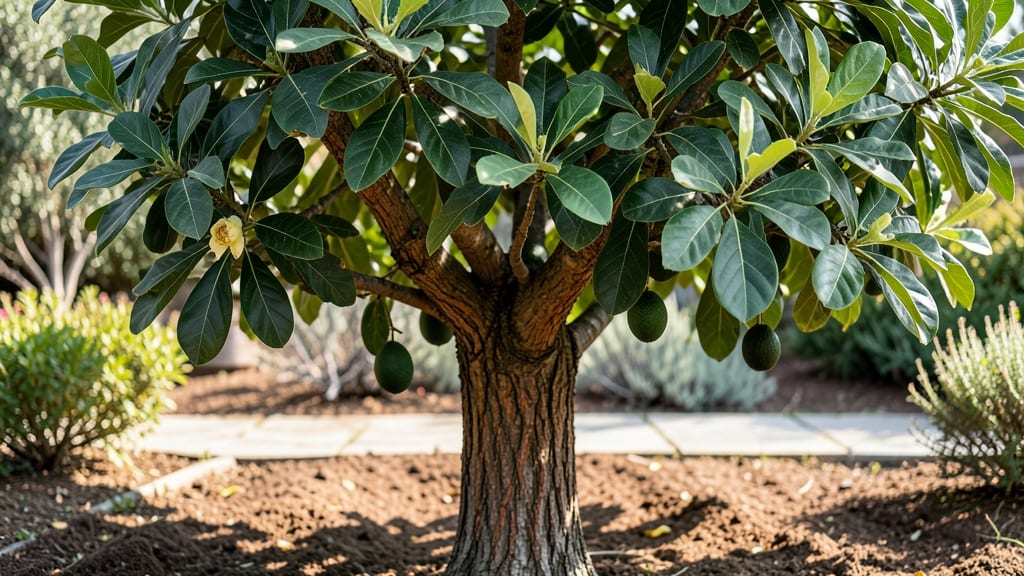
Your avocado tree thrives in full sun exposure, but too much scorching heat can ruin those creamy green fruits before they ripen. 🌞 I learned this the hard way when my first tree produced bitter, sunburned fruit—until I adjusted its position near the patio awning during peak afternoon heat.
Avocados need 6-8 hours of direct sunlight daily, but in hot climates like Southern California or Florida, afternoon shade becomes essential.
In cooler zones like Zone 8 or 9, they’ll handle full sun all day, while colder climates (Zone 7 and below) require container growing to protect roots from frost. The secret is strategic placement: morning sun builds energy, while afternoon shade prevents leaf scorch.
Watch for yellowing leaves or brown patches—they’re begging for better light management. A simple shade cloth or east-facing window can make all the difference. Whether you’re growing in a pot or in-ground, small adjustments now mean bigger, sweeter fruit next season. Here’s how to balance light for your climate.
📚 In This Guide
- What you need
- Instructions
- Tips and common mistakes
- Wrapping up and next steps
What you need
- ● Avocado tree sapling or seedling: Choose a healthy, disease-free variety suited to your climate (e.g., Hass, Fuerte, or Reed). Pro tip: If starting from seed, expect 5–13 years for fruit-bearing!
- ● Well-draining potting mix or soil: 3–5 gallons for containers or amended garden soil with perlite/sand (1:1 ratio for pots). 💡 Avoid heavy clay!
- ○ Large container (optional but recommended): 15–25 gallon pot with drainage holes for indoor/outdoor flexibility.
- ● Sunlight meter or light sensor app: To measure 6–8+ hours of direct sunlight daily (avocados are sun-hungry!).
- ● Pruning tools: Bypass pruners (for small branches)
- ● Loppers (for thicker branches, up to 1.5 inches)
- ● Sterilizing solution (70% isopropyl alcohol or bleach water)
- ● Mulch: Organic mulch (straw, wood chips) to retain moisture and regulate soil temp.
- ● Fertilizer: Balanced 10-10-10 or citrus-specific fertilizer (apply every 2–3 months).
- ● Drip irrigation system or watering can: Avocados need 1–1.5 inches of water weekly (adjust for sun intensity!).
- ● Shade cloth (30–50% coverage) for young trees in intense afternoon sun.
- ● Grow lights (LED full-spectrum) for indoor setups (12+ hours/day).
- ● Soil pH test kit (ideal range: 6.0–7.0).
- ● Tree support stakes (if growing in windy areas).
- ● Pollination aid (soft paintbrush) for indoor trees (avocados need cross-pollination!).
How to position your avocado tree for optimal sun and fruit production
Sunlight is the secret weapon for avocado trees—get this right, and you’ll go from struggling sapling to heavy-fruiting powerhouse.
☀️ Step 1: Identify Your Climate’s Sun Patterns
Avocados need full sun—that means 6-8 hours of direct sunlight daily, but the intensity matters more than duration in hot climates. In USDA Zones 10-11, where avocados thrive, they handle morning sun + afternoon shade to prevent leaf scorch. In cooler zones (like 9 or below), south-facing exposure maximizes winter light.
I always check my yard’s sun map first: stand in the spot at 10 AM and 2 PM on a clear day. If your tree gets less than 6 hours of direct rays, it’ll struggle to fruit. Young trees can tolerate partial shade, but mature trees need unfiltered light for pollination and fruit set.
🌿 Step 2: Choose the Perfect Planting Location
Dig your hole twice as wide as the root ball but no deeper—avocados hate soggy roots. Place the tree where it gets morning sun and afternoon shade in hot regions (like Southern California) or full sun all day in cooler areas (like Florida). A slightly elevated spot prevents water pooling around the trunk.
Here’s the thing—avocados hate wind. Plant near a natural windbreak (like a fence or hedge) if your yard is exposed. I’ve seen trees topped out by relentless coastal winds, and recovery takes years. If you must plant in an open area, stake young trees until they establish a strong root system.
⏰ Step 3: Adjust Light Exposure by Season
Young trees need gentle acclimation to full sun. Start with 3-4 hours of morning light for the first 2-3 weeks, then gradually increase exposure. Mature trees can handle direct midday sun, but afternoon shade (from a patio cover or nearby structure) prevents sunburn on leaves.
Watch for yellowing leaves—this is your signal. If it’s only on upper leaves, your tree is getting too much harsh afternoon sun. Move it 5-10 feet closer to shade and monitor for improvement in 7-10 days. If lower leaves yellow first, it’s often overwatering or poor drainage, not light.
🪴 Step 4: Supplement Light for Indoor or Container-Grown Trees
If you’re growing an avocado tree indoors or in a pot, it’ll need grow lights for 12-14 hours daily. A full-spectrum LED (like a 10,000K bulb) placed 6-12 inches above the tree mimics natural light. Rotate the pot quarter-turn weekly so the tree grows straight—indoor avocados lean toward the light like sunflowers.
Outdoor containers? Move them to brightest spots (like a patio or balcony with south/west exposure). If your tree starts dropping leaves, it’s not enough light. No amount of fertilizer will fix this—light is non-negotiable for avocados. I’ve seen container trees recover after moving them to a sunniest window within 2-3 weeks.
✂️ Step 5: Prune for Better Light Penetration
Thin out overlapping branches to let light reach the inner canopy. Avocados grow dense foliage, and blocked light leads to fewer flowers and fruit. Remove suckers (shoots growing from the trunk) and dead wood in late winter or early spring—this encourages new growth toward the sun.
Here’s the trick: prune in stages. Don’t strip the tree bare—never remove more than 25% of the canopy at once. You’ll see new shoots within 4-6 weeks if you’ve given it enough light. If your tree looks bare or leggy, it’s begging for more sunlight and less shade competition.
Tips & tricks for perfect avocado tree sunlight management
Took me years to figure out these sunlight secrets—here’s how I’ve turned struggling avocado trees into fruit-producing powerhouses.
Climate-Specific Light Strategy: In USDA Zones 10-11, the key is balancing morning sun (6-8 hours) with afternoon shade to prevent leaf scorch. I’ve seen trees in Southern California thrive with this approach, while those in cooler zones (like Zone 9) actually need full sun all day—the difference is all in the intensity of those rays. Use a sunlight tracker app to map your yard’s exposure patterns at 10 AM and 2 PM—this is non-negotiable for accurate placement.
Acclimation Timeline: Those 3-4 hours of morning light for young trees in Step 3 are critical. I learned this the hard way after moving a sapling directly into full sun—it took three weeks of gradual exposure before it stopped wilting. For mature trees, watch for upper leaf yellowing as your signal to adjust shade placement. The 7-10 day recovery window mentioned is real: if you move a tree closer to shade and don’t see improvement by then, check for root rot or pests first.
Container Light Hack: When supplementing light for indoor trees, 12-14 hours of grow light isn’t just about duration—it’s about spectrum consistency. I’ve had the best results with a 10,000K LED bulb placed 8-10 inches above the tree (closer than the 6-12 inch range mentioned). The quarter-turn weekly rotation prevents that classic "lopsided" growth pattern, and I’ve seen trees recover from leaf drop in just 2-3 weeks when moved to the sunniest window.
Pruning for Light Efficiency: The 25% canopy rule in Step 5 is your safety net. I’ve made the mistake of pruning too aggressively—once, I removed 30% of a tree’s branches and it took two full growing seasons to recover. Focus on removing suckers and dead wood first, then thin out overlapping branches. The 4-6 week new shoot timeline is accurate, but only if you’re providing the right light conditions afterward. If your tree looks leggy, it’s not getting enough direct light—not fertilizer.
Pro Tips for Avocado Tree Sun
- Took me years to figure out these sunlight secrets—here’s how I’ve turned struggling avocado trees into fruit-producing powerhouses.
- Climate-Specific Light Strategy: In USDA Zones 10-11, the key is balancing morning sun (6-8 hours) with afternoon shade to prevent leaf scorch.
- Acclimation Timeline: Those 3-4 hours of morning light for young trees in Step 3 are critical.
Frequently asked questions
Got questions about keeping your avocado tree basking in the perfect sunlight? Here are some common ones—and their answers—to help you grow a thriving, fruit-bearing tree!
How much sun does an avocado tree really need?
Avocado trees thrive with full sun—at least 6 to 8 hours daily. While they tolerate partial shade, too little light reduces fruit production and weakens growth. In hot climates, morning sun + afternoon shade helps prevent stress.
Can an avocado tree get too much sun?
Yes! Intense midday sun (especially in dry climates) can scorch leaves or dry out soil. Watch for crispy leaf edges or yellowing—signs of sunburn. Mulch the base and water deeply to retain moisture. A lightweight shade cloth (30-50%) during peak hours can help.
What if my avocado tree is indoors? How do I mimic sunlight?
Indoor avocado trees need a south-facing window (or grow lights) for 6+ hours. Rotate the pot weekly for even growth. LED grow lights (12-16 hrs/day) work well if natural light is insufficient. Avoid drafts—consistent warmth (65–80°F) is key!
Why are my avocado tree’s leaves turning yellow?
Yellow leaves often signal overwatering, underwatering, or sun stress. Check soil moisture—it should be damp but not soggy. If leaves are crispy, it’s too much sun; if wilting, it’s thirsty. Adjust watering and shade as needed.
Can I move a mature avocado tree to a sunnier spot?
Yes, but gradually! Move it inch by inch over weeks to avoid shock. Water thoroughly before and after. Mature trees handle transitions better than young ones. Prune any sun-damaged leaves post-move. Patience pays off!
Wrapping up and next steps
Growing a thriving avocado tree starts with understanding its sunlight needs—whether it’s basking in full sun or thriving in partial shade. By mastering strategic lighting, you’re already on the path to a bountiful harvest and a healthier plant. 🌞
Ready to put your newfound knowledge into action? Start by observing your tree’s current sunlight exposure and make gradual adjustments. Whether it’s pruning for better airflow or relocating your tree, every small step brings you closer to that dream avocado harvest! Happy growing! 🌱