
Propagation
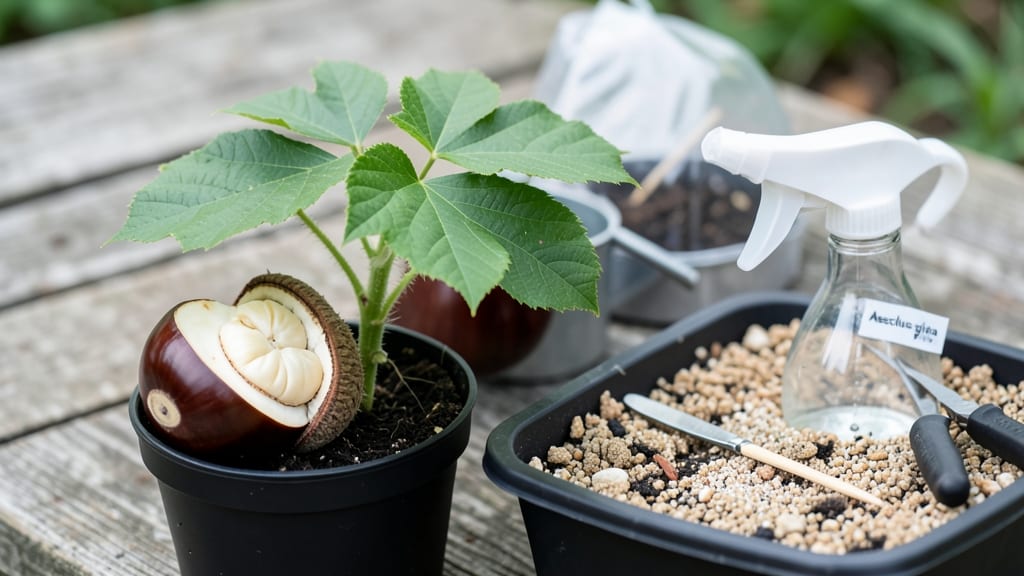
Growing a buckeye tree from a nut is like unlocking a slow-motion nature documentary in your backyard. 🌱 The key to success isn't rushing—it's patience and a little winter magic called cold stratification.
I've watched these nuts transform from hard shells to sprouting seedlings over 30 days of careful preparation, and the process is far more rewarding than buying a sapling. The first step is finding healthy nuts—look for plump, intact ones without cracks or mold.
Once you've got them, you'll need a cold period to mimic winter, which breaks their dormancy. This isn't just about throwing nuts in the fridge; it's about recreating the natural conditions they'd experience buried in the soil. By the time spring arrives, you'll see those first green shoots pushing through.
What you end up with is a sturdy young buckeye, its glossy leaves unfurling in 6-8 weeks after planting. The tree grows slowly but steadily, and within a few years, you'll have a shade-providing giant that attracts squirrels and adds drama to your landscape. The real payoff?
Watching wildlife take notice of your new tree before it even bears its signature spiky seed pods. This method works best if you start in late fall, letting nature handle the stratification. For those in warmer climates, a DIY cold setup with damp sand works just as well.
Here's how to make it happen without the guesswork!
📚 In This Guide
- What you need
- Instructions
- Tips and common mistakes
- Wrapping up and next steps
What you need
- ● Buckeye nuts – 2–5 fresh, firm nuts (harvested in fall, ideally from a healthy tree). Pro tip: Look for nuts with a smooth, unblemished shell!
- ● Cold-stratification setup: 1 small container (e.g., paper towel, damp peat moss, or vermiculite)
- ● 1 ziplock bag (resealable, quart-sized)
- ● 1 label (to track planting date)
- ● Planting pots – 2–4 small pots (3–4 inches wide) with drainage holes and well-draining potting mix (e.g., cactus/succulent mix).
- ● Spray bottle (for gentle watering)
- ● Grow lights or sunny windowsill (south-facing, 6+ hours of light daily)
- ● Patience! (Buckeyes take time—30+ days for stratification, months for sprouting).
- ● Heating mat (to maintain 40–50°F during stratification)
- ● Humidity dome (keeps soil moist post-sprouting)
- ● Fertilizer (balanced, low-nitrogen formula like 5-5-5 once leaves appear)
- ● Garden journal (to log progress and adjust care)
- ● Outdoor space (for transplanting after the last frost—buckeyes love full sun!)
Step-by-step instructions for growing a buckeye tree from a nut
Here's how to turn a single buckeye nut into a thriving sapling using cold stratification—the same method nature uses.
🌱 Step 1: Select and Prepare the Buckeye Nut
Pick a plump, intact buckeye with no cracks or soft spots—these nuts hold the key to a healthy seedling. Remove any loose husk fibers by gently rubbing the nut between your palms. The smoother you get it, the easier it'll be to check moisture levels later. I like to soak the nut in lukewarm water for 24 hours first; this softens the hard outer shell and helps break dormancy.
After soaking, let the nut dry completely for 12 hours on a paper towel. This prevents rot during stratification. You'll know it's ready when the shell feels dry to the touch but the nut itself still feels slightly damp inside. Store it in a ziplock bag with a damp paper towel—just enough moisture to keep things humid, not soggy.
❄️ Step 2: Cold-Stratify for 30 Days
Place the bag in your refrigerator's crisper drawer (not the freezer) where temperatures stay between 35-45°F. This mimics winter conditions and tricks the nut into thinking it's time to sprout. Check the nut every 5-7 days—if the paper towel feels dry, spritz it lightly with water and reseal the bag.
After 30 days, remove the nut and gently tap it on a hard surface. You might hear a crack inside—that's the seedling breaking through its shell. If not, soak it again for 12 hours and return it to the fridge for another 10 days. Real talk: some nuts take longer, so don't rush this step. Patience now means stronger roots later.
🪴 Step 3: Plant in a Moist, Well-Draining Mix
Fill a 4-inch pot with a mix of 50% potting soil and 50% perlite—this prevents rot while keeping moisture even. Make a 1-inch deep hole in the center and place the nut pointy side down (the flat side should face up). Cover it with ½ inch of soil, leaving the top visible.
Water gently until the soil feels moist but not soggy—think of a wrung-out sponge. Place the pot in a warm, bright spot (like a south-facing windowsill) where temps stay above 60°F. You'll see the first tiny shoot emerge in 2-4 weeks. Here's the thing—don't move the pot once planted. Buckeye seedlings hate disturbance.
☀️ Step 4: Provide Light and Gradual Transplant Prep
Once the seedling reaches 3-4 inches tall, it's ready for its first 6-inch pot. Use the same soil mix and water thoroughly after transplanting. Place it under bright, indirect light for the first week—direct sun can scorch tender new leaves. You'll notice the leaves turn a deeper green as they adjust.
After 4 weeks, introduce it to morning sun only, then gradually extend exposure. By 8 weeks, it should handle 4-5 hours of afternoon sun. This slow hardening prevents leaf burn. I always check the soil daily—water when the top ½ inch feels dry. Overwatering is the #1 killer of young buckeye seedlings.
⏰ Step 5: Overwinter and Prepare for Outdoors
Keep the sapling indoors through winter, placing it near a cool window (ideally 50-60°F). Reduce watering to once every 10-14 days—let the soil dry slightly between waterings. You'll see new growth in spring, signaling it's ready for the garden.
When night temps stay above 50°F (usually late spring), transplant outdoors to a partial shade spot. Dig a hole twice as wide as the root ball but no deeper. Water deeply after planting, and mulch with 2 inches of wood chips to retain moisture. Buckeye trees grow slowly but steadily—give it time to establish before expecting flowers or nuts.
Tips & tricks for growing a buckeye tree from a nut
Common pitfalls—and how to sidestep every one when nurturing your buckeye seedling.
Nut Selection Matters: Don't settle for just any buckeye—look for nuts that are plump and free of cracks or soft spots. The hard outer shell should feel solid when tapped gently. I've learned this the hard way: using a cracked nut leads to mold during stratification. Also, avoid nuts that feel hollow when shaken—those won't sprout. The 24-hour soak in lukewarm water is your first chance to test viability—if the water stays cloudy after soaking, the nut likely contains rot.
Cold Stratification Precision: The 30 days at 35-45°F is non-negotiable, but consistency is key. I recommend placing your bag in the fridge's crisper drawer where temps stay most stable. Use a small thermometer to monitor if your fridge fluctuates—some models vary by 10°F between top and bottom shelves. That extra 10-day buffer after the initial 30 days saved my second attempt when the first nut didn't crack. If you're impatient, resist the urge to check more often than every 5-7 days—frequent handling disrupts the stratification process.
Planting Position: When planting in Step 3, the pointy side down is critical—this is where the root will emerge. I always make a small mark on the nut's flat side with a pencil to double-check orientation. The ½-inch soil covering is just enough to protect the nut while allowing light to reach it. Pro tip: Use a small spoon to create your 1-inch planting hole—it gives you better control than fingers. And remember, that south-facing windowsill should receive light but not direct sun until after the first transplant.
Transplant Timing: The 3-4 inch height marker for your first transplant is your best guide, but don't rush it. I've seen seedlings that looked ready but had weak root systems when I pulled them too soon. When you do transplant, water thoroughly before and after to reduce shock. The gradual sun introduction is where most beginners fail—direct sun after just one week will scorch those tender leaves. Start with morning sun only, then slowly extend exposure as the leaves develop a deeper green color.
Pro Tips for Grow A Buckeye Tree From A Nut
- Common pitfalls—and how to sidestep every one when nurturing your buckeye seedling.
- Nut Selection Matters: Don't settle for just any buckeye—look for nuts that are plump and free of cracks or soft spot...
- Cold Stratification Precision: The 30 days at 35-45°F is non-negotiable, but consistency is key. I recommend placing ...
Frequently asked questions
about growing a buckeye tree from a nut—because every gardener deserves a little clarity!How long does it take for a buckeye nut to sprout?
A buckeye nut typically sprouts within 2–4 weeks after cold stratification, though some may take up to 6 weeks. Patience is key—keep the soil moist and warm (around 70°F) to encourage germination. If nothing happens after 6 weeks, gently check for rot or re-stratify the nut.
Can I skip cold stratification and plant the nut directly?
Nope! Buckeye nuts require cold stratification to break dormancy. Planting them directly in warm soil will likely result in rot. The 30-day cold treatment mimics winter conditions, tricking the nut into thinking it’s time to grow. If you’re in a warm climate, use a refrigerator or outdoor winter exposure.
How big should the buckeye tree be before transplanting?
Wait until the seedling has 3–5 true leaves and is at least 4–6 inches tall before transplanting. This ensures it has enough energy to handle the shock. Harden it off for a week by placing it outside during the day (but bring it in at night) before moving it permanently.
Are buckeye nuts toxic to pets or humans?
Yes! All parts of the buckeye tree are toxic if ingested, containing esculin and saponins. Keep nuts and seedlings out of reach of pets and children. Symptoms of poisoning include vomiting, diarrhea, or drooling. If exposed, contact a vet or poison control immediately.
What if my buckeye nut moldy or smells bad?
If your nut develops foul odors or mold, it’s likely rotting from overwatering or poor drainage. Discard it and try again with a fresh nut. To prevent this, use sterile, well-draining soil (like a mix of peat and perlite) and only water when the top inch feels dry.
Can I grow a buckeye tree from a store-bought nut?
Store-bought buckeye nuts are often dyed or treated to look decorative, making them unsuitable for growing. Seek out fresh, brown nuts from a mature buckeye tree (found in fall) for the best success. If you’re unsure, crack it open—if it’s hard and has a sweet, nutty smell, it’s viable!
Wrapping up and next steps
Growing a buckeye tree from a nut is a rewarding journey that blends patience with nature’s magic! 🌱 By following these steps—cold-stratifying your seed, nurturing a healthy sprout, and transplanting with care—you’ll soon watch your tiny seedling grow into a stunning, shade-loving giant.
The key is consistency: a little effort now means years of beauty and wildlife support later.
Ready to take the next step? Once your buckeye sapling is thriving, share your progress with fellow gardeners or explore how to prune and care for mature trees to keep it flourishing. Your green thumb is already making a difference—keep it up! 🌿