Trees
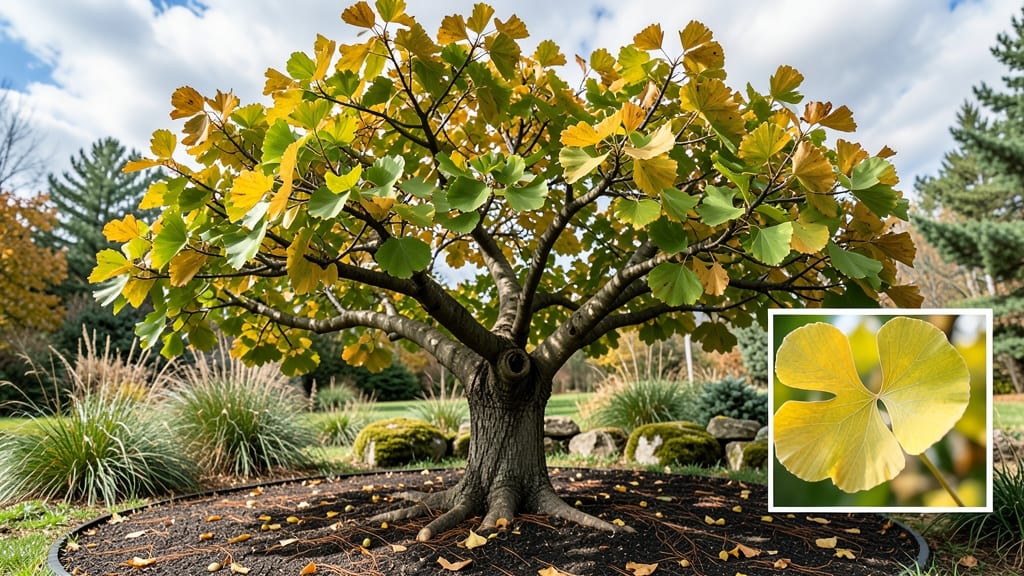
Your ginkgo tree's yellow leaves aren’t a death sentence—just a call for action. 🌿 I’ve nursed back more ginkgos than I can count, and the fix almost always comes down to three straightforward checks: soil health, pest pressure, and seasonal timing.
Most gardeners panic when they see those golden fans, but the real work starts with understanding what’s actually causing the stress.
The most common culprits? Iron deficiency (even in acidic soil), ginkgo psyllids hiding on the undersides of leaves, or last year’s overwatering finally catching up.
I check for pests first—those tiny, wingless bugs leave a sticky residue—and then test the soil pH. If the roots are waterlogged, we’re talking drainage fixes, not more water. The key is acting before the yellow turns brown, because once it does, the tree’s already spent too much energy fighting.
Within 4-6 weeks of the right treatment, you’ll see fresh, deep-green leaves emerging from the tips. That’s when you know you’ve hit the mark: healthy ginkgos reward patience with bold, fan-shaped growth that outlasts any seasonal stress.
The best part? These fixes work for mature trees and young saplings alike—no arborist needed for the basics.
Here’s the thing about ginkgos: they’re tougher than they look. The yellowing might feel dramatic, but it’s usually just the tree’s way of saying, “I need a little help here.” Start with the soil test kit in your garage, not the emergency call to a tree service.
You’ve got this—just like I did after my first ginkgo’s dramatic leaf show in early June.
Root Causes Behind Yellowing Ginkgo Leaves
When your ginkgo tree’s leaves turn a pale yellow instead of their usual vibrant green, it’s often a distress signal from the tree. Understanding the why behind this change is the first step to restoring its health.
Below, we break down the most common reasons—from environmental stressors to hidden health issues—explained in simple, actionable terms.
Ginkgo trees are resilient, but they still need the right nutrients to thrive. Yellowing leaves often signal a deficiency in key minerals, each with distinct patterns:
- 💡 Iron Chlorosis (Yellow Between Veins)
- Why it happens: Iron is crucial for chlorophyll production, and when soil pH is too high (alkaline), iron becomes locked away and unavailable. Ginkgos in clay or limestone-heavy soils are especially vulnerable.
- Actionable fix:
- Test your soil’s pH (ideal: 6.0–7.0 for ginkgos).
- Apply chelated iron supplements (like iron sulfate or EDTA chelates) in early spring or fall.
- For severe cases, use acidifying fertilizers (e.g., sulfur or pine bark mulch) to lower pH gradually.
- 🌿 Nitrogen Shortage (Overall Pale Yellow)
- Why it happens: Nitrogen fuels leaf growth, and a deficiency causes uniform yellowing (starting in older leaves). Poor soil, over-pruning, or root damage can deplete nitrogen reserves.
- Actionable fix:
- Spread organic matter (compost or well-rotted manure) around the root zone.
- Use a balanced fertilizer (10-10-10 or 20-10-10) in early spring.
- Avoid overwatering, which leaches nitrogen from the soil.
- 🍃 Magnesium or Potassium Deficiency (Yellow Edges or Spots)
- Why it happens: Magnesium (central to chlorophyll) and potassium (regulates water balance) deficiencies often appear as yellowing between veins or at leaf edges. Compacted or sandy soils lack these minerals.
- Actionable fix:
- Apply Epsom salt (magnesium sulfate) dissolved in water (1 tbsp/gallon) every 4–6 weeks.
- Use a potassium-rich fertilizer (like greensand or wood ash) in late summer.
Ginkgo trees hate soggy roots but also struggle in drought. Yellow leaves can be a cry for help from either extreme:
- 🚨 Overwatering (Yellow, Wilting Leaves)
- Why it happens: Ginkgos prefer well-draining soil. Overwatering suffocates roots, cutting off oxygen and nutrients, leading to yellowing and leaf drop. Clay soils or poor drainage worsen the problem.
- Actionable fix:
- Check soil moisture: Stick your finger 2–3 inches deep—if it’s damp, wait to water.
- Improve drainage by amending soil with perlite or compost.
- Ensure the tree has a wide, shallow root zone (avoid deep trenches that trap water).
- 🌞 Underwatering (Dry, Crispy Yellow Leaves)
- Why it happens: Ginkgos are drought-tolerant but still need consistent moisture, especially in hot climates. Shallow roots dry out quickly, causing leaves to yellow and curl.
- Actionable fix:
- Water deeply 1–2 times per week (depending on climate) during dry spells.
- Use mulch (wood chips or straw) to retain moisture and regulate soil temperature.
- Water at the base of the tree (not the foliage) to encourage deep root growth.
Not all yellowing is due to care mistakes—some culprits are tiny and stealthy. Watch for these red flags:
- 🐜 Spider Mites (Stippled Yellowing + Webbing)
- Why it happens: These microscopic pests suck sap from leaves, causing yellow speckling and fine webs. Hot, dry conditions attract them.
- Actionable fix:
- Spray leaves with a strong stream of water to dislodge mites.
- Use neem oil or insecticidal soap (apply in early morning or evening).
- Increase humidity with mistings or shade cloth during heatwaves.
- 🍄 Fungal Infections (Yellow Rings or Spots)
- Why it happens: Fungi like Phytophthora or Anthracnose thrive in wet, humid conditions, causing yellow rings, spots, or leaf drop. Poor air circulation (e.g., overcrowded planting) speeds up spread.
- Actionable fix:
- Remove and dispose of infected leaves (do not compost).
- Apply copper fungicide or baking soda spray (1 tbsp baking soda + 1 quart water + a drop of dish soap) every 2 weeks.
- Prune for better airflow and avoid overhead watering.
- 🐛 Ginkgo Psyllids (Curled, Sticky Leaves)
- Why it happens: These small insects feed on sap, causing leaves to curl, yellow, and exude honeydew (a sticky residue). Severe infestations stunt growth.
- Actionable fix:
- Blast off pests with a hose during early infestation stages.
- Use horticultural oil or insecticidal soap in late spring/early summer.
- Introduce beneficial predators like ladybugs or lacewings.
Ginkgo trees are adaptable, but extreme conditions can shock them into dropping color:
- ☀️ Sun Scorch (Yellow Patches on South/West Facing Leaves)
- Why it happens: Intense afternoon sun (especially after winter) can “burn” leaves, causing yellow or brown patches. Young trees or those transplanted recently are most vulnerable.
- Actionable fix:
- Provide afternoon shade with a temporary shade cloth (50% coverage).
- Mulch heavily to insulate roots and reduce temperature swings.
- Water deeply in the early morning to prevent midday stress.
- ❄️ Winter Damage (Yellowing After Freeze Thaw Cycles)
- Why it happens: Ginkgos are cold-hardy but can suffer if exposed to rapid temperature shifts (e.g., freezing nights followed by warm days). This causes “winter burn,” where leaves yellow prematurely.
- Actionable fix:
- Apply anti-desiccant spray (like Wilt-Pruf) in late fall to protect leaves.
- Wrap the trunk with burlap in harsh winters to shield from wind.
- Avoid pruning in late summer/fall, as new growth is more susceptible to cold.
- 🌪️ Wind or Salt Stress (Uniform Yellowing)
- Why it happens: Coastal ginkgos or those in windy areas may suffer from salt spray or physical leaf damage, leading to yellowing. Urban trees near roads can also absorb harmful pollutants.
- Actionable fix:
- Rinse leaves with fresh water after storms to remove salt residue.
- Install a windbreak (like a fence or hedge) to reduce exposure.
- Use chelating agents if soil salinity is high (test with a soil kit).
Reviving Your Ginkgo’s Health
When your ginkgo tree’s leaves turn yellow, acting quickly can make all the difference. Below, we’ll break down practical fixes based on the most common causes—from overwatering to pests—so you can restore your tree’s lush green canopy.
Each solution includes step-by-step actions and prevention tips to keep your ginkgo thriving long-term.
Signs: Yellowing leaves, soggy soil, or roots sitting in water.
How to Fix It: 🔥 Stop Watering Immediately – Let the soil dry out completely before watering again. Ginkgo trees prefer well-draining soil and hate soggy roots.
🍳 Improve Soil Drainage – Mix sand or perlite into the soil around the base (about 2–3 inches deep). If planting in containers, ensure pots have drainage holes.
👨🍳 Raise the Tree’s Base – If the soil is compacted, mound gravel or landscape fabric around the trunk to elevate roots slightly and prevent water pooling.
⏰ Water Only When Needed – Stick your finger 2–3 inches into the soil; water only if it’s dry. Ginkgos tolerate drought better than excess moisture.
💡 Prevention Tip: Plant ginkgos in slightly elevated areas or on slopes to avoid waterlogging.
Signs: Crispy, yellowing edges, dry soil, or wilting leaves.
How to Fix It: 💦 Deep Watering Sessions – Water slowly and deeply (1–2 inches per week) rather than frequent shallow watering. Use a soaker hose for even distribution.
🌡️ Mulch to Retain Moisture – Apply 2–3 inches of organic mulch (wood chips or straw) around the base (keep it 6 inches away from the trunk).
🎯 Adjust Watering in Extreme Heat – During droughts, water every 5–7 days (check soil moisture first).
✨ Prevention Tip: Group ginkgos with drought-tolerant plants to create a microclimate that retains moisture.
Signs: Yellowing leaves, sticky residue (honeydew), or tiny webs.
How to Fix It: 🔪 Blast Off Pests – Spray the tree with a strong stream of water to dislodge mites and aphids. Repeat every 3–4 days for 2 weeks.
💪 Neem Oil Treatment – Mix 1 tbsp neem oil + 1 tsp mild soap per gallon of water. Spray early in the morning (avoid direct sunlight). Reapply every 7–10 days.
🥗 Introduce Beneficial Insects – Ladybugs and lacewings eat aphids naturally. Buy them online or attract them with neighboring pollinator-friendly plants.
📊 Monitor for Return – Check leaves weekly for new pests. If infestation persists, consider insecticidal soap (follow label instructions).
💡 Prevention Tip: Prune regularly to improve airflow and reduce hiding spots for pests.
Signs: Yellowing between leaf veins (iron chlorosis) or pale yellow leaves (nitrogen deficiency).
How to Fix It: 🍎 Iron Supplement (for Chlorosis) – Apply chelated iron (like Ironite) to the soil or spray foliar iron (follow package rates). Repeat every 4–6 weeks in spring/fall.
💪 Balanced Fertilizer – Use a slow-release, acidic fertilizer (like 10-10-10) in early spring. Avoid over-fertilizing—too much nitrogen burns roots.
🌱 Amend Soil with Organic Matter – Mix in compost or aged manure to improve nutrient availability.
🎯 Test Soil pH – Ginkgos prefer slightly acidic soil (pH 6.0–7.0). If soil is alkaline, add sulfur or peat moss to lower pH.
✨ Prevention Tip: Mulch annually with pine needles or compost to maintain soil acidity.
Signs: Sudden yellowing after storms, scorched leaf edges, or winter damage.
How to Fix It: 🌬️ Protect from Harsh Winds – Plant ginkgos sheltered by a fence or wall if your area is windy. Avoid exposed hilltops.
🌡️ Shade Cloth in Extreme Heat – If leaves are sunburned, drape light shade cloth (30–50%) over young trees during heatwaves.
❄️ Winter Mulching – In cold climates, pile mulch 4–6 inches deep around the base to insulate roots.
💡 Prevention Tip: Choose ginkgo varieties like Ginkgo biloba ‘Autumn Gold’ that handle stress better.
Signs: Yellow spots, black streaks, or leaf drop with mushy stems.
How to Fix It: 🍄 Prune Infected Branches – Cut off yellowed or spotted leaves with sterilized pruners (wipe with rubbing alcohol). Dispose of clippings far from the tree.
🧴 Fungicide Treatment – Spray copper fungicide or baking soda mix (1 tbsp baking soda + 1 quart water + a drop of soap) every 2 weeks until new growth appears.
🌱 Improve Airflow – Thin out dense branches to reduce humidity and fungal spread.
✨ Prevention Tip: Water at the base (not overhead) to keep leaves dry and discourage fungal growth.
Final Pro Tip: 🌟 Observe your ginkgo weekly—catching issues early (like yellowing leaves) means faster, easier fixes! Most problems are reversible with proactive care.
Frequently asked questions
Why do ginkgo leaves turn yellow in fall instead of their usual golden-brown?
Ginkgo trees naturally produce golden-yellow leaves in autumn, but if they're turning bright yellow earlier or with no color change, it's likely a stress signal. Healthy ginkgos should hold green leaves until late fall before turning. Early yellowing often indicates nutrient deficiencies (like iron) or pest issues. Check for curled leaves or sticky residue first—those are red flags!
Can I save my ginkgo if half the leaves are already yellow and falling?
Yes! Even with extensive yellowing, ginkgos are resilient. Act fast: test soil pH (ideal: 6.0-7.0), apply chelated iron if chlorosis is present, and check for pests. The tree can still produce new growth from healthy buds. Focus on root health—water only when soil is dry 2-3" deep, and mulch to protect roots from temperature swings.
How often should I fertilize a ginkgo with yellow leaves?
Start with a soil test first—ginkgos often need help with iron or nitrogen. For most cases, fertilize once in early spring with a balanced, acidic fertilizer (10-10-10). Avoid overdoing it: too much nitrogen causes more problems than it solves. If you suspect chlorosis, use chelated iron supplements every 4-6 weeks during growing season instead.
Are ginkgo psyllids the only pests that cause yellowing?
No, but they're the most common. Spider mites and aphids also cause yellow speckling, while fungal infections (like anthracnose) create yellow rings or spots. Look for webbing (mites), honeydew residue (psyllids), or black streaks (fungus). Early intervention with neem oil or copper fungicide works best—don't wait for widespread damage!
Will pruning help yellow leaves on my ginkgo?
Pruning alone won't fix the root cause, but it can help reduce stress by improving airflow and removing diseased branches. Focus on dead or heavily yellowed leaves first, then thin out crowded areas. The best time to prune is late winter/early spring—avoid heavy pruning in summer when the tree is already stressed. Always sterilize your tools to prevent spreading infections.