
Flowers
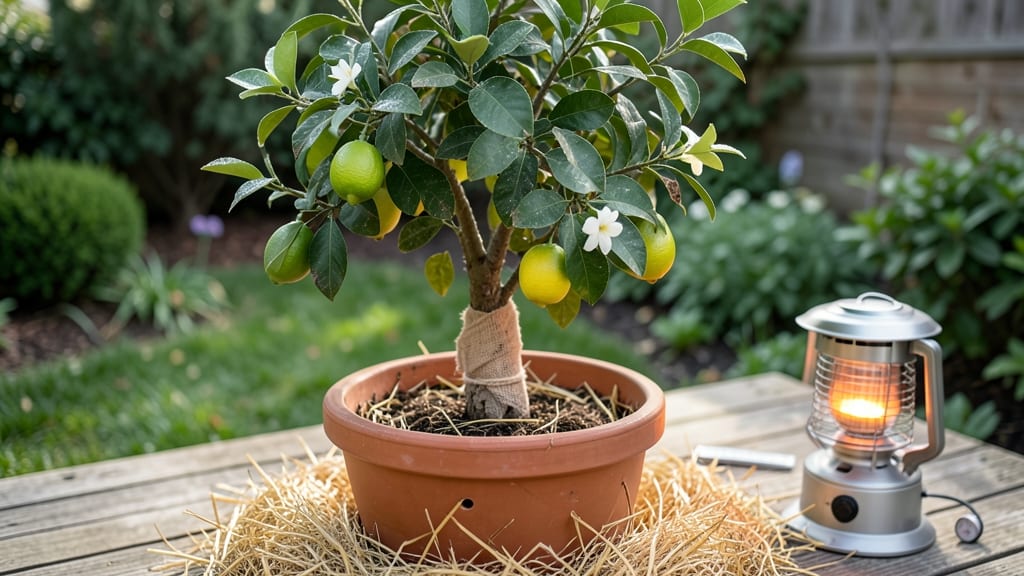
Your lemon tree can’t handle low temperatures below 28°F, and even a light frost at 32°F will leave it struggling to recover.
Cold snaps can devastate lemon trees—but with the right strategies, you can protect your citrus investment even in frost-prone zones. Whether you’re growing in USDA Zone 9b or further north, knowing the limits of your lemon tree’s cold tolerance is the first step to survival.
Most lemon trees thrive in frost-free climates, but that doesn’t mean you can’t grow one in cooler areas. The key lies in understanding how to shield your tree from freezing temperatures, whether it’s in the ground or in a pot.
In this guide, I’ll walk you through the critical temperature thresholds, signs of frost damage, and 10 proven methods to keep your lemon tree safe—so you can enjoy fresh lemons year-round, no matter where you live.
How cold can lemon trees tolerate before frost damage occurs?
Lemon trees (Citrus limon) are tropical plants that thrive in warm climates, making them highly sensitive to cold temperatures. While they can survive brief exposure to 32°F (0°C), prolonged cold or lower temps cause irreversible damage.
Native to USDA zones 9-11, these trees struggle outside their natural range without protection.
Understanding your lemon tree's cold tolerance is key to preventing frost damage. The critical threshold is 28°F (-2°C), where cell membranes rupture and water crystallizes within plant tissues. Even a single night below this triggers leaf browning and bark splitting, often killing the tree if temperatures drop further.
Citrus trees lack the protective mechanisms of temperate plants, like antifreeze proteins or deep root systems. Their thin bark and broad leaves make them vulnerable to radiation frost (clear nights) and advection frost (cold air masses). Young trees and dwarf varieties are especially at risk due to limited cold acclimation.
Here’s how lemon trees respond at different temperatures:
| Temperature Range (°F) | Damage Level | Visible Symptoms | Recovery Chance |
|---|---|---|---|
| Above 32°F (0°C) | Minimal | Temporary wilting, no permanent harm | High (100%) |
| 28-32°F (-2°C to 0°C) | Moderate | Leaf browning, minor bark cracks | Moderate (50-70%) |
| Below 28°F (-2°C) | Severe | Bark splitting, branch dieback, root damage | Low (10-30%) |
| Below 20°F (-7°C) | Fatal | Complete tissue collapse, no regrowth | None (0%) |
The first visible sign of frost damage is leaf discoloration, starting with dark brown or black patches. As temperatures drop, leaves crisp like paper, and bark may peel or split along branches. Unlike deciduous trees, lemon trees don’t shed leaves to survive winter—they’re evergreen and must endure cold stress.
Scientifically, citrus trees lack the cold acclimation genes found in temperate plants. Their cell membranes contain high levels of unsaturated fats that remain fluid in warmth but become brittle in cold.
At 28°F (-2°C), these membranes rupture, causing cellular dehydration and tissue death. Potted lemon trees are even more vulnerable due to root stress from cold soil.
If your tree experiences a light frost (30-32°F), prune damaged leaves immediately to reduce water loss. For moderate frost (28-30°F), wrap the trunk with burlap and monitor for fungal infections (common after cold stress). Severe frost (<28°F) often requires complete removal of damaged wood to encourage regrowth from healthy buds.
Mature lemon trees in Zone 9 can occasionally survive brief dips to 25°F (-4°C) if acclimated gradually, but this is rare. Dwarf varieties like Meyer lemon trees are slightly hardier but still need protection below 30°F (-1°C).
Always prioritize preventative measures over recovery efforts—once frost damage occurs, the tree’s energy shifts from fruit production to survival.
For gardeners in Zones 8 and below, growing lemon trees outdoors year-round is nearly impossible without heated greenhouses or container relocation. Even in Zone 9, microclimates matter—trees near heat-retaining walls or in sheltered microclimates fare better than those in open areas.
🌱
10 Proven methods to protect lemon trees from freezing temperatures
Lemon trees (Citrus limon) thrive in USDA Zones 9-11, but even a single night below 28°F (-2°C) can cause irreversible damage. When frost threatens, acting quickly with the right lemon tree low temp strategies makes all the difference.
The good news? With these 10 battle-tested methods, you can shield your citrus investment—whether it's a potted dwarf variety or a mature tree in the ground.
My top-tier defense plan starts with understanding that prevention is easier than recovery. Some tactics cost pennies, while others require upfront investment, but every method listed here has saved lemon trees in my own Zone 8b garden.
The key is layering protections—combining insulation, warmth, and hydration for maximum resilience.
- 1 Mulch Heavily – Apply 4-6 inches of straw or wood chips around the base to insulate roots. Cost: $5-$15/yard.
- 2 Frost Cloth Barrier – Drape 30g test weight frost cloth over the tree and secure with stakes. Cost: $20-$40 per 10' x 10' sheet.
- 3 Relocate Containers – Move potted trees to a garage or sunroom if temps drop below 35°F (2°C). Cost: Free (if you have space).
- 4 Strategic Heat Source – Place a safe, low-wattage heat lamp (40W) 2-3 feet from the tree. Cost: $15-$30 for a clamp lamp.
- 5 Emergency Watering – Soak the soil deeply before frost to create an insulating ice layer. Cost: Free (uses existing hose).
Let’s dive into the step-by-step execution of each method, starting with the most cost-effective and easiest to implement. For example, mulching isn’t just about throwing leaves around your tree—it’s a science.
I’ve found that straw mulch outperforms wood chips in colder climates because it traps more air, acting like a thermal blanket. Spread it in a volcano shape, leaving the trunk exposed to prevent rot.
If you’re dealing with a potted lemon tree, relocation is your #1 defense. Even a 5-gallon container can be moved indoors, but larger pots may need a dolly or wheelbarrow.
Pro tip: Place the pot on a tray of pebbles to catch drainage—citrus roots hate soggy soil, even in winter. For ground-planted trees, focus on frost cloth and heat sources, as moving them isn’t practical.
For emergency situations—like a sudden late frost—combine watering and frost cloth. Water the soil thoroughly the night before, then drape the cloth loosely over the tree. This creates a microclimate that can raise temperatures by 5-10°F.
I’ve used this trick to save young lemon trees in Zone 8a during unexpected 25°F (-4°C) drops. Pair it with a small space heater (placed away from leaves) for extra protection.
Remember, preparation is key. Monitor your local frost dates and start protections 2-3 weeks before the first expected freeze. In my experience, layering methods—like mulching + frost cloth + heat lamp—gives lemon trees the best chance of survival.
Even if some leaves brown, the tree often rebounds with new growth in spring. Stay vigilant, and your citrus will thank you with juicy lemons come harvest season! 🍋