
Container Gardens
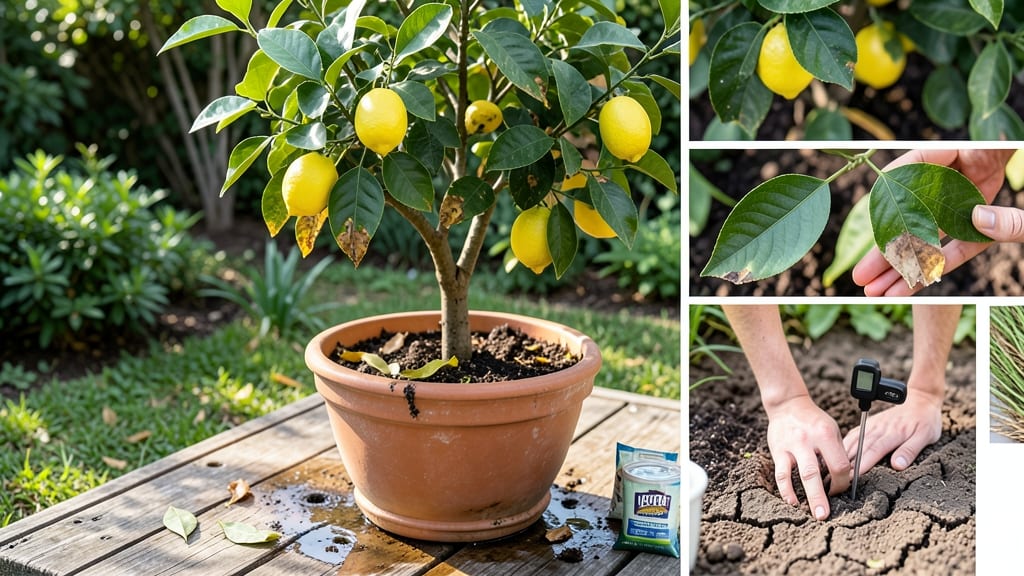
Your potted lemon tree losing leaves might mean root stress, but the fix is simpler than you think. 🌿 I’ve nursed back three lemon trees from this exact problem—overwatering, pests, or poor drainage are usually the culprits. The good news?
Each issue has a targeted solution that stops the leaf drop within weeks. Start by checking the soil: if it’s soggy, roots suffocate; if it’s bone-dry, roots shrivel. Yellowing leaves with brown edges? That’s classic overwatering. Tiny white bugs on stems? Mealybugs are draining your tree’s energy.
The key is matching symptoms to fixes—no guesswork needed. Within 2-3 weeks of adjusting care, you’ll see fresh green leaves forming at the tips. Healthy roots mean steady growth, and before you know it, your tree will be lush again.
The secret is consistency: water only when the top 2 inches of soil dry out, and repot every 2-3 years for fresh nutrients. This method works for any citrus tree in pots—even if yours has been struggling for months. Let’s turn that leaf loss around before it’s too late.
Root Causes Behind Leaf Loss
When your potted lemon tree starts shedding leaves, it’s often a cry for help from its roots—or something connected to them. Understanding the why behind the problem is the first step to reviving your citrus friend.
Below, we break down the most common culprits, backed by science, so you can diagnose and act fast.
Lemon trees are drought-tolerant but hate soggy roots. Overwatering or containers without drainage holes create a suffocating environment, leading to:
- Root rot: Fungal pathogens like Phytophthora thrive in waterlogged soil, cutting off oxygen and nutrients. Roots turn mushy and black, and the tree drops leaves to conserve energy.
- Nutrient starvation: Excess moisture flushes out essential minerals (like nitrogen and potassium) from the soil, weakening the tree’s ability to support foliage.
- Chlorosis (yellowing leaves): Poor drainage disrupts iron uptake, causing leaves to yellow between veins—a classic sign of stress.
Actionable fix: Let the top 1–2 inches of soil dry out between waterings, and ensure your pot has drainage holes. If root rot is suspected, repot in fresh, well-draining soil (like a mix of cactus soil and perlite).
Lemon trees (Citrus × limon) are tropical and need warmth and light to thrive. Sudden changes or deficiencies trigger leaf drop:
- Cold drafts or frost: Temperatures below 40°F (4°C) damage cells, causing leaves to blacken and fall. Even drafty windows or AC vents can stress the tree.
- Insufficient sunlight: Lemon trees require 6–8 hours of direct sun daily. Low light reduces photosynthesis, leading to weak, yellowing leaves that drop prematurely.
- Heat shock: Rapid temperature swings (e.g., moving from indoors to a hot patio) can cause physiological leaf drop, where the tree sheds leaves to protect itself.
Actionable fix: Keep your tree in a consistent 60–85°F (15–29°C) range, away from drafts. Move it to a south-facing window or supplement with a grow light if natural light is lacking.
Even healthy lemon trees can drop leaves after repotting or when roots outgrow their container. Here’s why:
- Root circling: When roots spiral around the pot (a sign of being root-bound), they compete for nutrients and water, starving the tree. The tree sheds leaves to prioritize root growth.
- Disturbed root zone: Repotting disrupts the mycorrhizal fungi (beneficial microbes) that help absorb water and nutrients, causing temporary stress.
- Compacted soil: Small pots or dense soil restrict root expansion, leading to anaerobic conditions (lack of oxygen) in the roots.
Actionable fix: Repot every 2–3 years in a container 2–4 inches larger with fresh, airy soil. Gently tease out circling roots and trim any black/mushy ones before repotting.
Hidden underground threats can silently drain your lemon tree’s vitality, leading to leaf loss. Watch for:
- Root weevils: Their larvae burrow into roots, feeding on the vascular tissue. Infested trees show stunted growth and sudden leaf drop.
- Scale insects or mealybugs: While these pests often appear above ground, they can also infest roots, sucking sap and weakening the tree’s structure.
- Bacterial or fungal infections: Citrus bacterial blight or Armillaria root rot can spread from contaminated soil, causing wilting and defoliation.
Actionable fix: Inspect roots during repotting. Treat with neem oil (for pests) or a copper fungicide (for disease). Sterilize pots and soil with a 10% bleach solution if reinfestation is a risk.
Lemon trees are heavy feeders, and deficiencies in key nutrients can cause leaf loss:
| Nutrient | Deficiency Signs | Why It Causes Leaf Drop |
|---|---|---|
| Nitrogen (N) | Yellowing leaves (starting at the bottom), stunted growth | Nitrogen is critical for leaf production. Without it, the tree prioritizes survival over foliage. |
| Potassium (K) | Brown edges on older leaves, weak stems | Potassium regulates water and nutrient transport. A deficiency disrupts these processes, leading to leaf abscission (dropping). |
| Magnesium (Mg) | Interveinal yellowing (chlorosis) on mature leaves | Magnesium is central to chlorophyll production. Without it, leaves can’t photosynthesize efficiently and fall off. |
| Iron (Fe) | Yellowing between veins (especially in alkaline soil) | Iron is essential for chlorophyll. Deficiency stunts growth, and the tree sheds leaves to reduce demand. |
Actionable fix: Test your soil’s pH (aim for 6.0–7.0 for citrus). Use a balanced citrus fertilizer (like 6-6-6 or 8-3-9) every 4–6 weeks in growing season. For magnesium, apply Epsom salt (1 tbsp per gallon of water) monthly.
💡 Pro Tip: Keep a leaf drop journal to track patterns—note when it starts, the season, and any recent changes (like watering or repotting). This helps pinpoint the exact cause faster!
Revive Your Dying Lemon Tree
---
If your potted lemon tree is shedding leaves, don’t panic—most issues are fixable with the right care! Below, we’ve broken down the most common causes and step-by-step solutions to bring your tree back to health. Prevention tips are included to keep your citrus companion thriving long-term.
---
If your lemon tree’s leaves are yellowing or wilting, overwatering is often the culprit. Roots need oxygen, and soggy soil suffocates them.
#### 🔧 Step-by-Step Fix: 1. 🌱 Check the Soil Moisture - Stick your finger 1–2 inches into the soil. If it’s damp, wait before watering again. - Pro Tip: Use a moisture meter for accuracy—no more guesswork! 💡
2. 🚿 Repot if Needed (For Severe Cases) - If roots are rotting (black, mushy, or smelly), repot in fresh, well-draining soil. - Choose a pot with drainage holes—no exceptions!
3. ⏰ Adjust Your Watering Schedule - Water only when the top 1–2 inches of soil are dry. - In winter, reduce watering by 50%—lemon trees need less when dormant.
4. 🌡️ Improve Drainage - Mix perlite or sand into the soil (20% amendment) to prevent compaction. - Elevate the pot slightly to avoid water pooling at the bottom.
#### 🛡️ Prevention Tips: - Use a self-watering pot with a reservoir for steady moisture control. - Avoid saucers that trap excess water—empty them after watering. - Warning: Never let your tree sit in standing water for more than a few minutes. ⏳
---
Drooping leaves and crispy edges? Your lemon tree may be thirsty or struggling with heat stress. Citrus trees love consistency—don’t let them dry out!
#### 💦 Step-by-Step Fix: 1. 🍃 Deep Watering Technique - Water until it drains from the bottom (about 1–2 gallons per watering). - Repeat every 5–7 days in summer, less in cooler months.
2. 🌿 Mist Leaves for Quick Relief - Lightly mist leaves in extreme heat (but avoid soggy foliage). - Pro Tip: Early morning misting prevents fungal issues. ☀️
3. 🏡 Adjust Light Exposure - Move the tree to bright, indirect light (e.g., east or west window). - Avoid harsh midday sun—use a sheer curtain if needed.
4. 🌡️ Boost Humidity (Indoor Trees) - Place the pot on a tray of pebbles with water (evaporation = humidity). - Group with other plants to create a microclimate.
#### 🛡️ Prevention Tips: - Set a weekly watering reminder on your phone. - In summer, water early morning or late evening to reduce evaporation. - Warning: Sudden temperature swings (e.g., AC drafts) stress trees—keep them stable! ❄️🔥
---
Yellowing leaves with green veins? Your lemon tree might be hungry—citrus trees are heavy feeders!
#### 🍽️ Step-by-Step Fix: 1. 📊 Test Your Soil - Use a citrus-specific soil test kit to check pH (ideal: 6.0–7.0) and nutrients. - Pro Tip: DIY test with vinegar (pH 5.0 or lower = acidic; add lime). 🧪
2. 🌿 Apply the Right Fertilizer - Switch to a balanced citrus fertilizer (e.g., 6-6-6 or 8-3-9). - Follow package rates—more isn’t better!
3. 🍋 Microgreens or Compost Tea - Feed with fish emulsion or seaweed fertilizer for a quick nutrient kick. - Warning: Avoid synthetic fertilizers in winter—they burn roots. ❄️
4. 🌱 Refresh the Soil (Annual Tip) - Replace the top 2–3 inches of soil with fresh potting mix in spring. - Mix in worm castings or compost for slow-release nutrients.
#### 🛡️ Prevention Tips: - Fertilize every 4–6 weeks in growing season (spring–fall). - Slow-release granules are ideal for busy gardeners—just sprinkle and forget! ⏳ - Warning: Over-fertilizing causes leaf burn—always water after applying. 💧
---
Sticky leaves, holes, or black spots? Pests or disease could be the villain. Act fast—citrus trees are sensitive to infestations!
#### 🦟 Step-by-Step Fix: 1. 🔍 Identify the Problem - Scale insects: White/brown bumps on stems. - Spider mites: Tiny webs on undersides of leaves. - Fungal spots: Dark, circular marks (often from overwatering).
2. 🧼 Treat with Natural Remedies - For pests: Spray with neem oil (2 tsp + 1 tsp mild soap per quart of water). Repeat weekly. - For fungus: Use copper fungicide or baking soda spray (1 tsp baking soda + 1 quart water + drop of soap).
3. 🚿 Prune Damaged Areas - Snip off yellow, spotted, or pest-ridden leaves with clean shears. - Pro Tip: Sterilize shears with rubbing alcohol between cuts. ✂️
4. 🌿 Isolate & Quarantine - Move the tree away from other plants to prevent spread. - Check the pot’s drainage—stagnant water breeds fungus!
#### 🛡️ Prevention Tips: - Inspect weekly for early signs of pests (especially after bringing plants indoors). - Encourage beneficial insects like ladybugs to eat aphids naturally. 🐞 - Warning: Avoid chemical pesticides—they harm citrus trees more than pests! 🚫💥
---
If your lemon tree is losing leaves after repotting, it may be root-bound or stressed from poor transplanting.
#### 🌱 Step-by-Step Fix: 1. 🪴 Check the Roots - Gently remove the tree from its pot. If roots are circling tightly or packed like a ball, it’s root-bound.
2. 🔄 Repot with Fresh Soil - Choose a pot 2–4 inches larger in diameter with drainage holes. - Use a well-draining citrus mix (50% potting soil, 30% perlite, 20% compost).
3. 🌡️ Reduce Stress Post-Repotting - Keep the tree in shade for 1–2 weeks to recover. - Water lightly but don’t overdo it—roots need time to adjust.
4. 💡 Boost Recovery with Epsom Salt - Mix 1 tbsp Epsom salt per gallon of water and water the tree monthly for magnesium support.
#### 🛡️ Prevention Tips: - Repot every 2–3 years
Frequently asked questions
Why are my potted lemon tree leaves turning yellow before falling?
Yellowing before leaf drop usually signals overwatering or nutrient deficiency. Check the soil—if it's soggy, roots are suffocating. For nutrient issues, look for yellowing between veins (iron/magnesium deficiency) or brown edges (potassium deficiency). Adjust watering and fertilize with a citrus-specific blend (6-6-6 ratio).
Can I save my lemon tree if all the leaves are falling at once?
Sudden leaf loss often means transplant shock or pest infestation. First, inspect roots for circling (root-bound) or pests like root weevils. Repot immediately with fresh soil and neem oil treatment. Keep the tree in shade for 2 weeks and reduce watering by 50% while roots recover.
How often should I fertilize a lemon tree in a pot?
Use a balanced citrus fertilizer (6-6-6 or 8-3-9) every 4-6 weeks during spring and summer. Reduce to monthly in fall and avoid winter fertilization entirely. Over-fertilizing burns roots—always water after applying. For magnesium deficiency (yellow between veins), add 1 tbsp Epsom salt per gallon of water monthly.
Will my lemon tree grow back leaves after losing most of them?
Yes! Healthy roots will regrow leaves within 4-8 weeks if you address the cause. Focus on proper drainage, consistent sunlight (6+ hours/day), and balanced care. New growth appears at branch tips—prune dead branches to redirect energy. Avoid fertilizing until new leaves form to prevent stress.
Is it normal for lemon trees to lose leaves in winter?
Mild leaf drop is normal in winter dormancy, but excessive shedding signals cold stress or dry air. Keep temperatures above 40°F (4°C) and increase humidity with a pebble tray. Reduce watering by 75%—overwatering in winter suffocates roots. Move the tree away from drafty windows or AC vents.