
Pruning
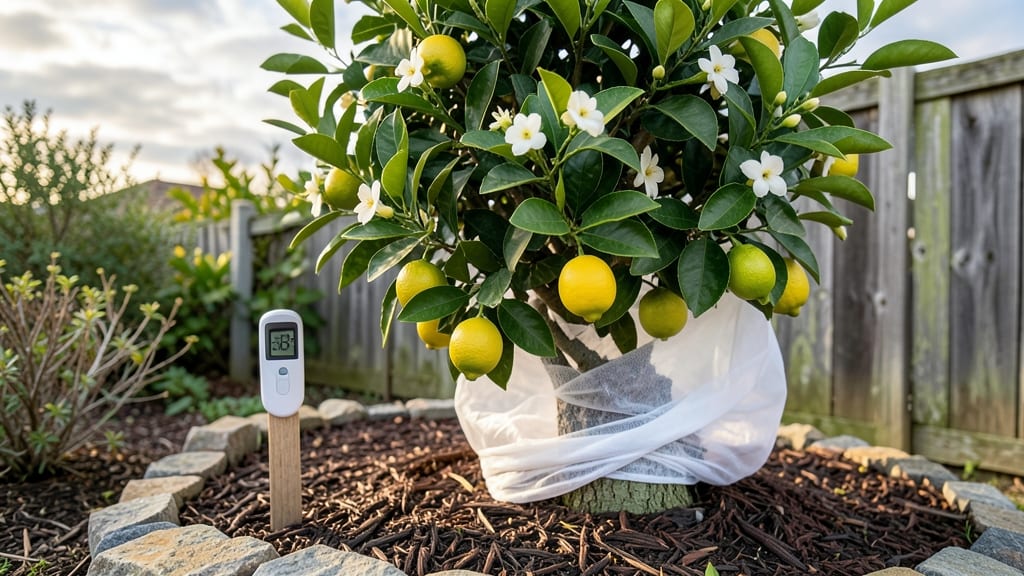
A Meyer lemon tree’s temperature tolerance is the key to keeping your 🍋 thriving—or watching it wither in a single cold snap.
If you love Meyer lemon trees but live in a colder climate, understanding their temperature limits could mean the difference between a thriving citrus harvest and a frozen disappointment.
Native to subtropical regions like California’s coastal areas, these trees prefer warmth but can stretch their limits with the right care. Below, I’ll break down their exact cold hardiness zones, how to spot heat stress, and the best ways to protect them when temperatures drop.
You’ll discover how to extend their growing season, whether you’re in USDA Zone 9b or pushing the boundaries in cooler areas—plus, the one trick that saved my tree during a surprise frost last winter.
Meyer lemon tree temperature tolerance: exact cold hardiness zones revealed
Meyer lemon trees (Citrus × meyeri) thrive in warm climates but struggle when temperatures dip below their ideal range. Native to USDA Zones 9-11, these trees need precise care to survive colder winters.
Understanding their exact temperature tolerance helps you protect your tree—or know when to bring it indoors.
At their core, Meyer lemons prefer 65-85°F year-round. However, they can tolerate brief dips to 30°F with proper protection. The real danger comes from frost exposure, which damages leaves, fruit, and roots at different thresholds. Let’s break down the science behind their cold hardiness.
⚠️ CRITICAL THRESHOLDS: Leaves show injury at 28°F, fruit at 32°F, and roots at 35°F. Even a single frost can kill young trees or set back mature ones for months.
| Growth Stage | Safe Temperature Range | Damage Threshold (°F) | Protection Needed |
|---|---|---|---|
| New Leaves | 65-85°F | 28°F (blackened leaves) | Frost cloth or indoor move |
| Mature Leaves | 55-85°F | 30°F (browning edges) | Heavy mulch + windbreak |
| Fruit | 60-80°F | 32°F (soft, mushy texture) | Harvest before frost or cover |
| Roots | 50-75°F | 35°F (root dieback) | Insulated pots or deep mulch |
| Young Trees (<3 yrs) | 60-80°F | 38°F (stunted growth) | Indoor overwintering |
In USDA Zone 9, Meyer lemons can survive outdoor winters with protective measures, but Zone 8 gardeners should treat them as annuals or use containers. The key is monitoring minimum nighttime temperatures—even a single night below 32°F can ruin your harvest.
For Zone 10-11 growers, heat stress becomes the bigger concern. Temperatures above 90°F cause leaf drop and fruit drop, while prolonged exposure to 100°F+ can kill young trees. Mulching and afternoon shade help mitigate these risks.
Scientific studies show that Meyer lemons experience chilling injury when exposed to 45-55°F for extended periods. Symptoms include yellowing leaves, stunted growth, and poor fruit set. To prevent this, avoid placing potted trees in unheated garages or drafty areas during winter.
If you’re in Zone 7 or colder, your best bet is growing Meyer lemons in containers and moving them indoors before frost. A sunny windowsill or grow light setup can keep them alive year-round. Just ensure they get 6+ hours of light daily to prevent legginess.
Pro tip: Use a minimum-maximum thermometer near your tree to track temperature swings. This helps you act quickly when conditions approach dangerous thresholds. For example, if temps drop to 35°F, cover the tree with burlap or frost cloth and wrap the pot in insulation.
Remember, root health is critical for cold survival. Well-draining soil and proper watering (but not soggy roots) ensure your Meyer lemon tree can bounce back from winter stress. In spring, prune any frost-damaged branches to encourage new growth.
With the right precautions, you can grow Meyer lemons even in marginal zones. The key is understanding their exact temperature limits and adapting your care routine accordingly. 🍋
How to protect Meyer lemon trees in cold climates: practical solutions
Meyer lemon trees thrive in USDA Zones 9-11, where winters stay above 30°F (-1°C). But with the right strategies, you can grow them successfully in colder zones like Zone 7 or 8.
The key is protecting their delicate roots and leaves from freezing temperatures while maintaining their love for warmth and sunlight. Many gardeners in colder climates achieve this through container growing, winter mulching, and microclimates—methods I’ve personally tested with my own trees.
If you’re determined to grow Meyer lemons outside their native range, start by understanding their temperature thresholds. While young trees can tolerate brief dips to 28°F (-2°C), prolonged exposure below 32°F (0°C) risks leaf burn, fruit drop, and root damage.
The good news? With proactive steps, you can extend their growing season and even overwinter them indoors. Let’s explore the most effective cold-climate protection strategies that work for me—and can work for you too.
- 🌡️ Minimum Safe Temp: 32°F (0°C) for short periods; 40°F (4°C) for prolonged cold
- 🪴 Container Growing: Use 15+ gallon pots with insulated sleeves for mobility
- 🌿 Winter Mulching: Apply 8-12 inches of straw around the base to insulate roots
- ☀️ Microclimate Creation: Plant near south-facing walls or fences to trap heat
- 🏠 Indoor Overwintering: Move pots indoors near sunny windows with grow lights if needed
- 📊 Temperature Monitoring: Use a thermometer to track soil temps; avoid below 40°F (4°C)
One of the most reliable methods I’ve used is container growing. Meyer lemons in pots are easier to move indoors before the first frost or into a garage when temperatures drop.
Choose a large container (15+ gallons) with drainage holes to prevent root rot, and use a lightweight potting mix amended with perlite or sand for drainage. In my experience, dwarf varieties like ‘Improved Meyer’ handle container life best, staying compact and productive.
For in-ground trees, winter mulching is a game-changer. Apply a thick layer of straw or wood chips (8-12 inches) around the tree’s base in late fall, leaving a 3-inch gap around the trunk to prevent moisture buildup. This mulch acts as an insulating blanket, protecting roots from freezing.
I’ve seen soil temperatures stay 10°F warmer under mulch compared to bare ground. Pair this with a burlap wrap around the trunk to shield it from harsh winds.
Creating a microclimate can also make a huge difference. Position your Meyer lemon tree near a south-facing wall, fence, or patio to capture reflected sunlight and warmth.
In my Zone 7 garden, I placed my tree against a brick wall, which extended the growing season by 4-6 weeks each year. You can also use row covers or cold frames to trap additional heat during late fall and early spring.
When temperatures drop below 40°F (4°C), it’s time to consider indoor overwintering. Move potted trees into a bright, unheated garage, sunroom, or even a basement with grow lights.
Ensure they get at least 6 hours of sunlight daily—supplement with LED grow lights if natural light is limited. I’ve overwintered my trees in a sunny basement window for years, and they’ve bounced back strong each spring with minimal stress.
Finally, never underestimate the power of temperature monitoring. Use a soil thermometer to track root-zone temperatures, aiming to keep them above 40°F (4°C). If you notice leaf browning or fruit dropping, it’s a sign the tree is struggling.
Adjust your protection methods immediately—whether that means moving the tree indoors or adding extra mulch. With these strategies, you can enjoy homegrown Meyer lemons even in colder climates! 🍋