
Container Gardens
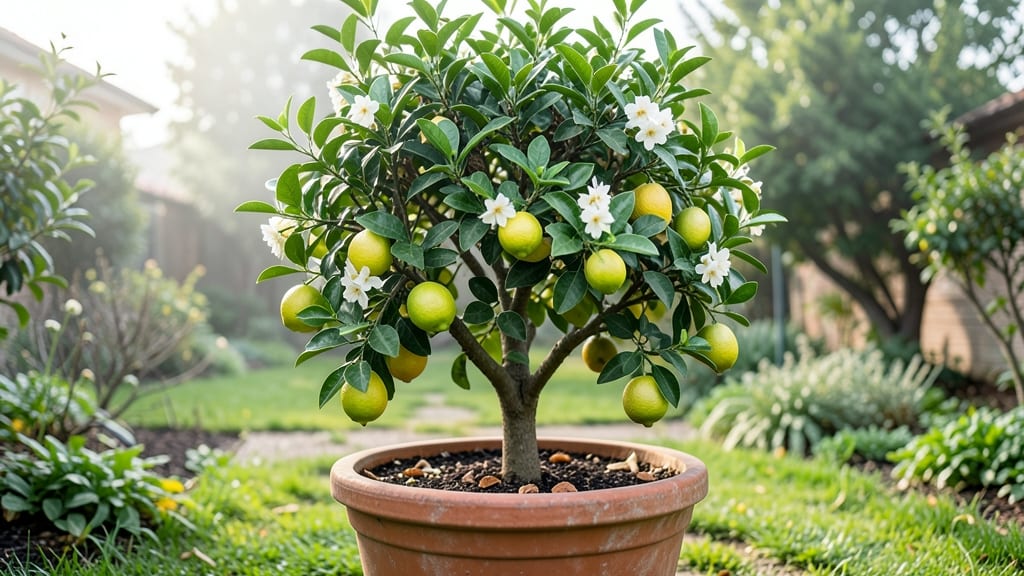
Growing a Meyer lemon tree in a container means fresh citrus fruit on your patio—no backyard required. 🌿 I've watched mine go from a 12-inch sapling to a fruit-bearing beauty in just three years, and the secret is in the container setup.
These trees thrive when you mimic their natural Mediterranean climate: bright light, well-draining soil, and a pot big enough for their roots to spread without getting cramped.
The right container makes all the difference: a 5-gallon pot for young trees, 15+ gallons for mature ones, with drainage holes to prevent root rot. Use a cactus or citrus potting mix, and add perlite or sand for extra drainage—Meyer lemons hate soggy feet.
Place your tree where it gets 6+ hours of sunlight daily, and you'll see new growth within weeks. Winter care is key too: move potted trees indoors or wrap them in frost cloth when temps drop below 40°F.
By summer, you'll be harvesting bright yellow lemons that taste sweeter than store-bought—perfect for baking, cocktails, or just snacking straight off the tree. The tree itself stays compact, making it ideal for decks, balconies, or sunny windowsills.
Just remember: regular pruning keeps it bushy and encourages more fruit. I prune mine in late winter, cutting back any dead or crossing branches with clean, sharp shears.
Troubleshooting is easy once you know the signs: yellow leaves mean overwatering, while small, bitter fruit signals a need for more sun or fertilizer. Feed your tree every 6-8 weeks with a citrus-specific fertilizer during growing season, and you'll avoid most common issues.
The payoff? A tree that keeps giving—literally—for decades. Ready to get started?
📚 In This Guide
- What you need
- Instructions
- Tips and common mistakes
- Wrapping up and next steps
What you need
- ● Meyer Lemon Tree: A healthy 1- to 3-gallon potted sapling (ensure it’s disease-free and well-rooted).
- ● Container: A 5-gallon or larger pot (minimum 12–18 inches in diameter) with drainage holes.
- ● Material: Terracotta (breathable) or plastic (retains moisture better).
- ● Well-Draining Soil: A mix of: 50% potting soil (high-quality, organic blend).
- ● 30% perlite or pumice (for aeration).
- ● 20% compost or worm castings (for nutrients).
- ● Gravel or Cactus Mix: 1–2 inches (for the bottom layer of the pot).
- ● Trowel or Spade: For planting and soil adjustments.
- ● Watering Can or Hose with Gentle Nozzle: Avoid over-saturating the soil.
- ● Fertilizer: Citrus-specific fertilizer (balanced NPK, e.g., 6-6-6 or 8-3-9).
- ● Slow-release granules or liquid feed (apply every 4–6 weeks in growing season).
- ● Mulch: Organic mulch (e.g., straw or shredded bark) to retain moisture.
- ○ Support Stakes or Cage: Optional for taller trees (3–4 feet).
- ● pH Test Kit: To monitor soil acidity (ideal range: 6.0–7.0).
- ● Spray Bottle: For misting leaves (especially in dry climates).
- ● Wheelbarrow or Bucket: For mixing soil amendments.
Step-by-Step instructions for growing a Meyer lemon tree in a container
Let’s get your citrus tree thriving indoors or on your patio with these simple, foolproof steps.
🪴 Step 1: Choose the Right Container and Drainage
Start with a 5-gallon pot or larger—Meyer lemons need room to grow, and their roots hate soggy feet. Pick a container with multiple drainage holes (at least 3) to prevent root rot. If your pot lacks drainage, drill holes yourself or use a cache pot with a saucer underneath. Terra cotta pots work best because they breathe, but plastic holds moisture longer if you forget to water.
Fill the bottom 2 inches with gravel or broken pottery to create a drainage layer. This keeps water flowing out instead of pooling around roots. I like to add a handful of perlite to the mix—it lightens the soil and keeps roots oxygenated. If your pot is shallow, go up in size next year; lemons grow slowly but steadily.
🌱 Step 2: Plant in Well-Draining Soil and Position for Light
Use a cactus/succulent mix blended with potting soil (50/50) for the best drainage. Avoid garden soil—it compacts and suffocates roots. Fill the pot ¾ full, leaving room for the root ball. Gently loosen the roots of your young Meyer lemon (if repotting) before placing it in the center. The top of the root ball should sit ½ inch below the rim—this prevents soil from spilling out when you water.
After planting, water deeply until water runs out the drainage holes. Place your tree in a spot with 6-8 hours of bright, indirect sunlight daily. A south- or west-facing window is ideal, but if your home lacks natural light, supplement with a grow light (LED works best). You’ll know the light is right when new leaves stay bright green and crisp—yellow or droopy leaves mean it’s too dim.
💧 Step 3: Water and Fertilize for Healthy Growth
Water when the top 1-2 inches of soil feel dry—stick your finger in to check. Overwatering is the #1 killer of container lemons, so let the soil dry slightly between waterings. In winter, reduce watering to every 2-3 weeks since growth slows. Always water at the base, not overhead, to avoid fungal diseases. A self-watering pot can help if you travel often.
Fertilize every 4-6 weeks during spring and summer with a balanced citrus fertilizer (like 6-6-6 or 8-3-9). In fall and winter, cut back to once every 2 months—too much fertilizer then causes salt buildup. You’ll see new growth within 4-6 weeks of consistent feeding, and flowers (and eventually fruit!) will follow.
✂️ Step 4: Prune and Encourage Fruit Production
Prune in late winter or early spring before new growth starts. Cut back overly long branches to shape the tree and improve airflow. Remove any dead, crossing, or inward-growing branches with clean, sharp pruners. I also pinch off the tip of new growth to encourage bushier growth—this prevents leggy, weak stems. Never prune more than ⅓ of the tree at once, or it’ll stress the plant.
To boost fruiting, hand-pollinate flowers with a small brush in the morning. Meyer lemons are self-pollinating but benefit from a little help, especially indoors. Once fruit forms, thin them to 3-4 per cluster—this prevents overburdening the tree. Harvest lemons when they’re bright yellow and slightly soft to the touch (usually 9-12 months after planting).
⏰ Step 5: Overwinter and Repot as Needed
In winter, keep your Meyer lemon in a cool but bright spot (around 50-60°F). Reduce watering and stop fertilizing until spring. If leaves start dropping, it’s normal—lemon trees rest in cooler months. Watch for pests like spider mites or scale (common in dry indoor air) and treat with neem oil if spotted. A quick wipe-down with a damp cloth keeps dust off leaves, so they can photosynthesize efficiently.
Repot every 2-3 years or when roots circle the pot. Choose a container 2-3 inches larger in diameter and refresh the soil with fresh mix. The best time to repot is early spring, just as new growth begins. If your tree outgrows its pot faster, it’s ready—roots growing out of drainage holes or circling the bottom are clear signs it’s time to upgrade.
Tips & tricks for growing a thriving Meyer lemon tree
Here's what I've learned from years of growing container lemons that actually bear fruit—avoid these common mistakes!
Drainage is Non-Negotiable: The 2-inch gravel layer in Step 1 isn't just about drainage—it's about preventing root suffocation. If you're using a cache pot, remember to empty the saucer after watering. I've seen roots rot within weeks when people ignore this step. For extra insurance, add a layer of perlite on top of the gravel—it creates air pockets that keep roots happy.
Light Requirements Matter More Than You Think: That 6-8 hours of sunlight in Step 2 is critical, but quality matters too. South-facing windows get the most consistent light, but west-facing windows work well too. If you're using grow lights, position them 6-12 inches above the tree and run them for 12-14 hours daily. I learned this the hard way when my first tree grew tall and leggy from insufficient light—now I always double-check light exposure before planting.
Watering Wisdom: The finger test in Step 3 is your best friend, but there's a trick to it: Stick your finger in the soil about 1 inch deep—that's where the roots actually are. If you only check the surface, you'll overwater. In winter, when you reduce to every 2-3 weeks, let the soil dry completely between waterings. I've had trees survive droughts but never recover from soggy soil in winter.
Fertilizer Timing is Everything: Those 4-6 week intervals during spring/summer are perfect, but here's the secret: Split your fertilizer dose in half when you first start fertilizing in spring. This prevents shock to the tree's system. Also, if you notice brown leaf tips after fertilizing, it's a sign of salt buildup—flush the soil with water to cleanse it. In fall, I always stop fertilizing by October to let the tree prepare for winter.
Pro Tips for Grow Meyer Lemon Tree In Container
- Here's what I've learned from years of growing container lemons that actually bear fruit—avoid these common mistakes!
- Drainage is Non-Negotiable: The 2-inch gravel layer in Step 1 isn't just about drainage—it's about preventing root suffocation.
- Light Requirements Matter More Than You Think: That 6-8 hours of sunlight in Step 2 is critical, but quality matters too.
Frequently asked questions
Got questions about growing your Meyer lemon tree in a container? You’re not alone! Here are answers to the most common concerns—from picking the right pot to troubleshooting pesky problems.
What’s the best container size for a Meyer lemon tree?
A Meyer lemon tree needs at least 15–20 gallons of soil to thrive. For young trees, a 12–15-inch diameter pot works, but upgrade to 18–24 inches as it matures. Ensure the container has drainage holes—root rot is a real threat in soggy soil! Pro tip: Use a pot that’s 20% wider than the tree’s root ball for stability.
Can I grow a Meyer lemon tree indoors year-round?
Yes! Meyer lemons love indoor life if you mimic their outdoor needs: 6–8 hours of sunlight daily (south-facing window or grow lights), 60–70°F temps, and 40–60% humidity. Avoid drafts near windows or AC vents. In winter, supplement light with a LED grow bulb to prevent leaf drop.
Why aren’t my Meyer lemon tree’s leaves turning yellow?
Yellowing leaves usually signal overwatering, underwatering, or nutrient deficiency. Check the soil—it should be dry 1–2 inches down before watering. If leaves are crispy and brown, you’re underwatering. Soft, mushy leaves? Drainage is poor. Feed with a citrus-specific fertilizer every 4–6 weeks to boost health.
How do I prune a container-grown Meyer lemon tree?
Prune in late winter or early spring to shape the tree and encourage fruit production. Use sterilized shears to trim:
- Dead or diseased branches first.
- Overcrowded growth to improve airflow.
- Long, leggy stems to promote bushiness.
What pests should I watch for on my Meyer lemon tree?
Common pests include spider mites, aphids, and scale insects. Check the undersides of leaves for tiny webs or sticky residue. Treat mild infestations with neem oil or insecticidal soap. For severe cases, hose off pests with water or use systemic granules. Prevention tip: Isolate new plants for a week to spot hitchhiking pests early!
Wrapping up and next steps
Growing a Meyer lemon tree in a container is a rewarding journey that brings sunshine, fresh citrus, and a touch of tropical charm to your space—no backyard required! 🌿 With the right pot, soil, sunlight, and care, you’ll enjoy fragrant blossoms and sweet, juicy lemons year after year.
The key? Patience, consistency, and a little love.
Now that you’re armed with tips and tricks, it’s time to roll up your sleeves and get planting! Start small, celebrate each leaf, and soon, you’ll be harvesting lemons for homemade treats. Your container garden adventure begins today—what are you waiting for? 🍋✨