
Propagation
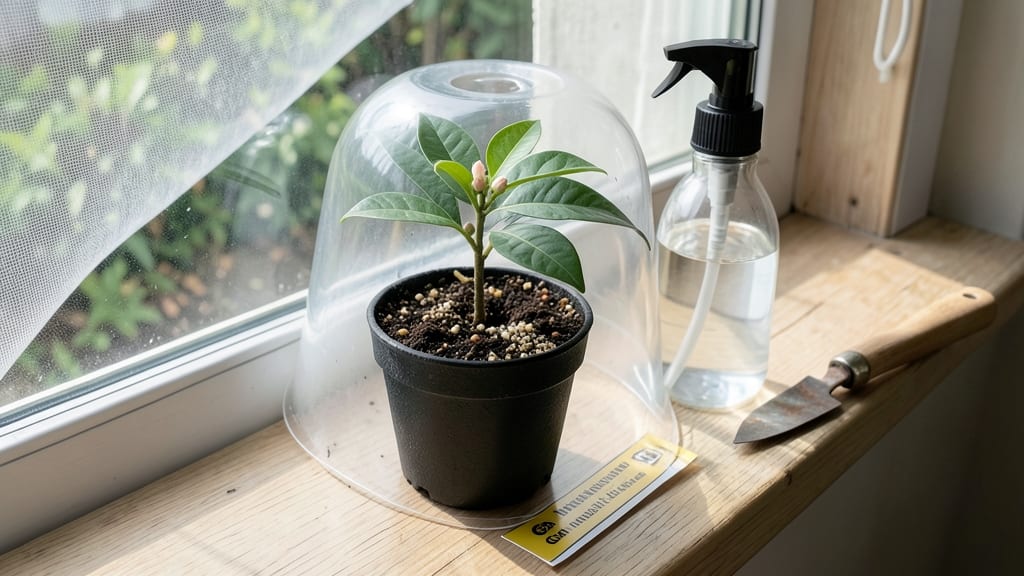
Growing a mango tree from seed indoors gives you a living piece of the tropics—right on your kitchen windowsill. 🌱 The journey starts with a single pit, but that tiny seed holds the potential for a tree that could one day bear fruit.
I’ve watched my own mango seedlings grow from a speck of green to a sturdy 3-foot plant, and the process is simpler than you’d think, though it does require patience.
The secret lies in mimicking the tropical conditions mango seeds need to sprout: warmth, moisture, and bright light. You’ll need a small pot, well-draining soil, and a sunny spot—no fancy equipment required.
Most seeds germinate within 2-4 weeks, though some take longer, especially if the pit is old or dried out. The first leaves will be small and delicate, so handle them with care.
By the time your seedling reaches 6-12 inches, it’ll need repotting into a slightly larger container and more consistent care.
With proper light and watering, you’ll see new growth every few weeks, and within a few years, your tree could develop its first flowers—though fruiting may take 5-10 years or longer. The reward? A houseplant that’s not just beautiful but a conversation starter.
Fair warning: mango trees grown from seed rarely produce fruit that tastes like the grocery store variety, but that’s part of the charm. Embrace the adventure of nurturing a tropical tree from scratch, and enjoy the journey—one leaf at a time. Here’s how to get started without the guesswork.
📚 In This Guide
- What you need
- Instructions
- Tips and common mistakes
- Wrapping up and next steps
What you need
- ● Mango seed: 1 fresh, plump seed (preferably from a ripe, organic mango for best results).
- ● Small pots (4-6 inches in diameter): 1-2 pots with drainage holes (plastic or terracotta).
- ● Well-draining potting mix: 1 bag of a lightweight, airy mix (e.g., cactus/succulent blend or a 50/50 mix of peat moss and perlite).
- ● Spray bottle: 1 for gentle watering (avoids over-saturating the soil).
- ○ Clear plastic bag or humidity dome: 1 to create a mini greenhouse effect (optional but helpful for germination).
- ● Grow lights or sunny windowsill: Access to bright, indirect light (6+ hours daily).
- ● Fertilizer (balanced, water-soluble): 1 small bottle (e.g., 10-10-10 NPK ratio, diluted to half-strength).
- ● Seedling heat mat: 1 (speeds up germination if your home is cool).
- ● Humidity tray: 1 (keeps moisture levels consistent).
- ● Pruning shears: 1 pair (for trimming as your tree grows).
- ● Support stake or trellis: 1 (once the seedling is sturdy enough to prevent toppling).
- ● pH testing kit: 1 (to monitor soil acidity, ideal range: 5.5–7.0).
Step-by-Step instructions for growing a mango tree from seed indoors
Here’s how to turn that grocery store mango pit into a lush, leafy houseplant—with patience and the right care.
🌱 Step 1: Extract and Prepare the Seed
Start with a ripe mango—its seed will germinate best. Cut the fruit open and remove the large, flat pit. Rinse off any remaining fruit pulp, then let it dry for 24 hours at room temperature. This prevents mold from forming in your growing medium later.
Once dry, gently scrape away the hard outer shell until you expose the seed’s soft inner layers. You’ll see a small, wrinkled seed inside—this is what you’ll plant. Soak it in warm water for 24 hours to soften the outer coating and kickstart germination. Here’s the thing—don’t skip this step. A dry seed can take months to sprout, but soaked seeds often emerge within 7-14 days.
🪴 Step 2: Plant the Seed in a Moist Growing Medium
Use a small pot (3-4 inches deep) with drainage holes and fill it with well-draining potting mix. I like a blend of 50% peat moss and 50% perlite for airflow. Moisten the mix until it’s damp but not soggy—think of a wrung-out sponge. Plant the seed ½ inch deep, with the pointed end facing upward.
Cover the pot loosely with plastic wrap or a clear lid to create a mini greenhouse. Place it in a warm spot (70-80°F)—a kitchen windowsill or near a heat vent works well. Check daily for condensation on the plastic. If it’s dry, mist lightly with water. Germination can be finicky, so keep the soil consistently moist but never waterlogged.
☀️ Step 3: Provide Light and Monitor Growth
Once the seed sprouts (you’ll see a tiny shoot breaking through the soil), remove the plastic cover immediately. Place the pot in bright, indirect light—a south-facing window is ideal. Direct sun can scorch delicate new leaves, so if you notice yellowing, move it back a foot.
Water when the top inch of soil feels dry. Mango seedlings are sensitive to overwatering, so let the soil dry slightly between waterings. You’ll notice the first true leaves (not the initial seed leaves) appear in 4-6 weeks. This is your cue to start fertilizing lightly with a balanced liquid fertilizer (10-10-10) diluted to half strength every 4 weeks.
🌿 Step 4: Transplant and Encourage Strong Growth
When the seedling reaches 6-8 inches tall (usually after 3-4 months), transplant it into a 5-6 inch pot with fresh potting mix. Gently loosen the roots before transferring to avoid shock. Mango trees grow fast, so choose a pot with drainage holes and room to grow.
Rotate the pot quarter-turn weekly so the plant grows straight, not lopsided toward the light. If you notice leggy growth (long, thin stems), it’s a sign of insufficient light. Supplement with a grow light (12-14 hours/day) if natural light is weak. Prune any yellow or damaged leaves immediately—they drain energy from the plant.
⏰ Step 5: Maintain and Dream Big
Keep the soil moist but well-draining, and fertilize every 6 weeks during spring and summer. Mango trees grown from seed may take 5-10 years to bear fruit indoors (if ever), but the journey is rewarding. Watch for pinkish flower buds in spring—a sign of maturity, though fruiting is rare without tropical conditions.
Real talk: Your seedling might never produce fruit, but the lush, glossy leaves make it a stunning houseplant. If you want fruit, consider grafting later—but for now, enjoy the tropical vibes. Place it near a humidifier if your home is dry, as mango trees thrive in 60-80% humidity. With patience, you’ll have a thriving mini-mango tree to admire.
Tips & tricks for growing a mango tree from seed indoors
Here's what nobody tells you about growing a mango tree from seed that'll make all the difference between a thriving plant and a sad little seedling.
Seed Preparation: After scraping away the outer shell in Step 1, don't be tempted to rush the 24-hour soak. The warm water softens the hard outer coating and jumpstarts germination. I've seen seeds that skipped this step take over 6 weeks to sprout instead of the 7-14 days we're aiming for. Pro tip: Use filtered or room-temperature water—hot water can shock the delicate seed.
Germination Environment: The warm spot (70-80°F) mentioned in Step 2 is crucial. If your home runs cooler, consider placing the pot on top of your refrigerator or near a heat vent. I've had seeds that took 3 weeks to germinate in a 65°F room versus 10 days in a warmer spot. The plastic cover creates humidity, but don't let it sit in standing water—condensation should form on the inside, not pool at the bottom.
Light Management: When those first true leaves appear in 4-6 weeks, you'll want bright indirect light. Here's the thing: south-facing windows are ideal, but if you notice yellowing leaves, it's either too much direct sun or not enough light. I've had to move pots back a foot multiple times. For winter growers, supplement with a grow light for those 12-14 hours/day mentioned in Step 4—it makes all the difference in preventing leggy growth.
Transplanting Timing: The 6-8 inch height mentioned for transplanting in Step 4 is a good guideline, but don't wait until the pot is completely root-bound. I've seen seedlings that were transplanted too late develop root circles that strangle new growth. When you see roots growing out of the drainage holes, it's time. Use the quarter-turn weekly rotation to keep your plant growing straight—this simple habit prevents that awkward leaning we all hate.
Pro Tips for Grow A Mango Tree From Seed Indoors
- Here's what nobody tells you about growing a mango tree from seed that'll make all the difference between a thriving plant and a sad little seedling.
- Seed Preparation: After scraping away the outer shell in Step 1, don't be tempted to rush the 24-hour soak.
- Germination Environment: The warm spot (70-80°F) mentioned in Step 2 is crucial.
Frequently asked questions
Got questions?
Growing a mango tree from seed indoors is exciting, but it’s natural to have doubts—especially about timing, care, and expectations. Here are answers to the most common queries to set you up for success!
How long does it take for a mango seed to sprout indoors?
A mango seed typically sprouts within 2–4 weeks if kept in warm (70–85°F), moist conditions. Patience is key—some seeds take longer, especially if they’re old or dried out. If nothing happens after 6 weeks, gently check for rot or replant the seed.
Will my indoor mango tree ever produce fruit?
Unlikely! Most mango trees grown from seed indoors remain ornamental and rarely fruit because they’re not grafted. For fruit, buy a grafted tree or pollinate flowers (if you’re in a warm climate). Still, enjoy the lush foliage and tropical vibes—it’s a rewarding indoor plant!
Can I grow a mango tree indoors year-round, or do I need to move it outside?
Indoors works year-round, but mango trees thrive in warmth (65°F+). If your home gets chilly, keep it near a sunny window or use a grow light. In summer, you can move it outside for fresh air—but avoid harsh sun or cold drafts to prevent shock.
Why is my mango seedling turning yellow or wilting?
Yellowing leaves or wilting often mean overwatering or underwatering. Let the top inch of soil dry out between waterings, and ensure the pot has drainage holes. Too much water causes root rot; too little stresses the plant. Adjust light too—low light weakens seedlings.
What’s the best indoor pot size for a young mango tree?
Start with a small pot (6–8 inches wide) for the first year, then upgrade to 10–12 inches as it grows. Mango trees have long roots, so avoid shallow containers. Use well-draining soil (like cactus mix) to prevent soggy roots. Repot every 2–3 years or when roots circle the pot!
Wrapping up and next steps
Growing a mango tree from seed indoors is a rewarding journey that brings a taste of the tropics right to your windowsill!
With patience, the right care, and a little love, you can nurture a tiny seed into a thriving plant—even if it may not bear fruit like its parent. Celebrate every milestone, from that first sprout to the lush green leaves, and remember: every gardener starts somewhere.
Now that you’re armed with the know-how, take the next step! 🌱 Start with your mango pit today—your future indoor jungle awaits. And who knows? You might just inspire others (or even yourself) to keep exploring the magic of indoor gardening. Happy growing!