
Trees
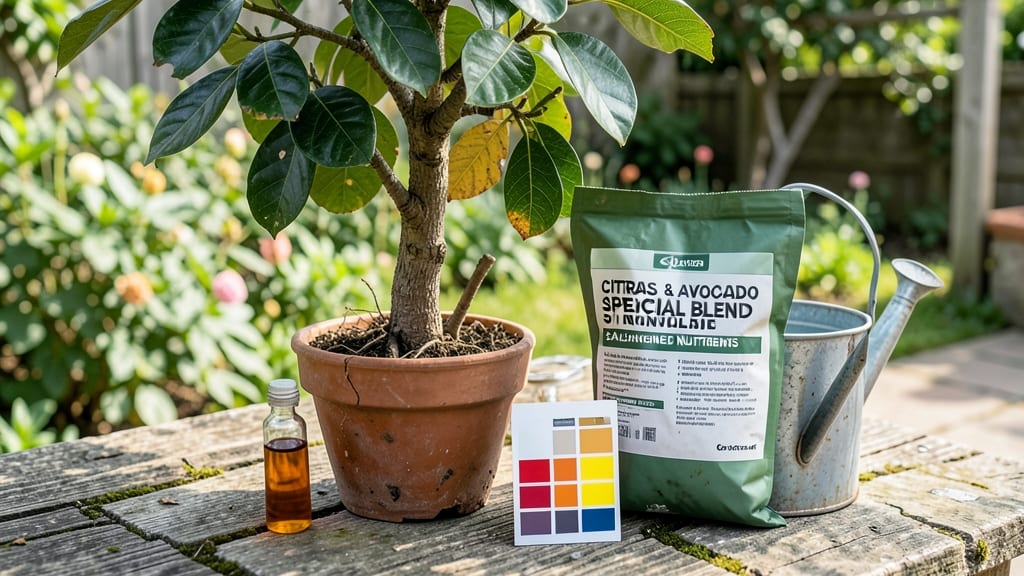
Your avocado tree not growing new leaves? That stubborn yellowing or bare branches mean something’s off—but it’s fixable. 🌱 I’ve nursed back three avocado trees from exactly this situation, and the first step is figuring out whether it’s thirst, rot, or something else.
The good news? Most cases respond within 2-4 weeks of the right care.
Overwatering and root rot are the top culprits—especially if your soil stays soggy for days. Then there’s nutrient starvation (hello, nitrogen deficiency), pests like spider mites hiding on the undersides of leaves, or even too much shade slowing growth.
The key is checking the roots first: healthy roots smell earthy, not sour.
Start with a water check—stick your finger 2 inches deep. If it’s damp, hold off. If dry, water deeply until it drains from the bottom. Add a balanced fertilizer (like 10-10-10) and trim any mushy, black roots.
Within 3-6 weeks, you’ll see fresh green shoots if the problem was water or nutrients.
For stubborn cases, repot into fresh, well-draining soil and move to bright, indirect light (no harsh afternoon sun). If yellowing persists after 8 weeks, pests or disease might be the issue—time to call in a local arborist. Trust me, your tree can bounce back!
Root Causes Behind Stalled Growth
If your avocado tree has stopped producing new leaves, the issue likely stems from one (or more) of these common underlying problems. Understanding the science behind each can help you diagnose—and fix—the issue before it’s too late. Let’s break down the key culprits, from environmental stress to internal health issues.
Avocado trees (Persea americana) thrive in USDA Hardiness Zones 9-11, where temperatures stay between 60–85°F (15–29°C). When exposed to frost, heatwaves, or sudden temperature swings, the tree’s metabolic processes slow or halt, causing leaf growth to stall.
- Cold Damage: Temperatures below 32°F (0°C) can kill young leaves and disrupt nutrient flow. Even if the tree survives, it may take weeks to recover, leaving older leaves intact while new growth pauses.
- Heat Stress: Prolonged exposure to above 95°F (35°C) causes wilting, leaf scorch, or premature drop. High heat also increases water loss, leading to dehydration and stunted growth.
- Windburn: Strong winds dry out leaves faster than the tree can compensate, mimicking drought stress and halting new leaf production.
💡 Pro Tip: If your tree is in a marginal zone, use burlap wraps or frost cloths in winter and provide shade cloth (30–50%) during summer heatwaves to protect delicate new growth.
Avocado trees are drought-tolerant but hate soggy roots. Watering issues—whether underwatering or overwatering—disrupt the tree’s ability to transport nutrients and hormones (like auxin) needed for leaf development.
| Problem | Signs | Impact on Growth |
|---|---|---|
| Underwatering |
|
The tree conserves water by stopping new leaf production—leaves are energy-intensive, and the tree prioritizes survival over growth. |
| Overwatering |
|
Roots suffocate from lack of oxygen, blocking nutrient uptake. The tree can’t produce chlorophyll or new leaves, leading to a stunted, pale appearance. |
🔥 Fix It: Water deeply but infrequently—aim for 1–1.5 inches per week (more in containers). Use a moisture meter or the finger test (insert 2 inches into soil; if dry, water). Ensure pots have drainage holes and use well-draining soil mixes (e.g., 60% potting soil, 30% perlite, 10% sand).
New leaves rely on a balanced diet of macronutrients and micronutrients. A deficiency in even one key nutrient can halt growth. Here’s what to watch for:
- Nitrogen (N) Deficiency:
- Symptoms: Pale, yellowing leaves (starting on older leaves), stunted new growth.
- Why It Happens: Nitrogen is critical for chlorophyll production and cell division. Without it, the tree can’t manufacture new leaves.
- Potassium (K) Deficiency:
- Symptoms: Brown, dead spots on leaf edges (“scorching”), weak stems.
- Why It Happens: Potassium regulates water and nutrient transport. A lack of it causes osmotic stress, where cells can’t absorb water or nutrients efficiently.
- Magnesium (Mg) Deficiency:
- Symptoms: Yellowing between leaf veins (interveinal chlorosis), crispy edges.
- Why It Happens: Magnesium is central to chlorophyll structure. Without it, leaves can’t photosynthesize, leading to growth stagnation.
- Zinc (Zn) or Iron (Fe) Deficiency:
- Symptoms: Small, distorted new leaves (“little leaf” syndrome), white or pale patches.
- Why It Happens: These micronutrients act as enzymes for growth hormones. A lack of them blocks auxin production, the hormone responsible for cell elongation and leaf formation.
🌱 Solution: Test your soil with a home kit or lab analysis to identify deficiencies. Fertilize with a balanced avocado-specific fertilizer (e.g., 6-6-6 or 8-3-9) in spring and summer. For micronutrients, use chelated iron or zinc supplements (e.g., Sequestrene).
Hidden invaders—like root rot, spider mites, or avocado lace bugs—can drain your tree’s energy, leaving it too weak to produce new leaves. Here’s how they sabotage growth:
- Root Rot (Phytophthora or Fusarium):
- How It Stops Growth: Fungal infections block water and nutrient absorption, causing the tree to shut down new leaf production as it diverts energy to surviving.
- Signs: Mushy, black roots; wilting despite wet soil; sudden leaf drop.
- Spider Mites or Scale Insects:
- How It Stops Growth: These pests sap nutrients from leaves, reducing the tree’s ability to photosynthesize. The tree prioritizes repairing damage over growing new leaves.
- Signs: Sticky residue (honeydew), webbing on leaves, yellow stippling.
- Avocado Lace Bugs:
- How It Stops Growth: They pierce leaves to feed, causing chlorosis and leaf drop. Severe infestations lead to stunted, brittle new leaves.
- Signs: Silver speckling on undersides of
Revive Your Avocado Tree Now
If your avocado tree has stopped producing new leaves, don’t panic—there’s hope! The key is identifying the root cause and taking targeted action. Below, we’ve mapped out practical solutions for each common issue, along with prevention tips to keep your tree thriving.
Let’s get your avocado back in leafy action! 🌱💚
If your tree’s roots are drowning, it’s time to drain the excess water and improve airflow.
- 🔥 Step 1: Check the Soil Stick your finger 2–3 inches into the soil. If it’s damp (not just moist), your tree is overwatered. Avocados hate soggy roots—water only when the top inch is dry.
- 🍳 Step 2: Adjust Watering Habits Water deeply but infrequently. In pots, ensure water drains completely from the bottom. For in-ground trees, create a slight mound around the base to encourage runoff.
- 👨🍳 Step 3: Improve Drainage Mix in perlite or coarse sand (20–30%) to potting soil if your tree is in a container. For ground-planted trees, consider adding a layer of gravel beneath the root zone.
- ⏰ Step 4: Monitor & Wait New leaves should sprout within 2–4 weeks if roots recover. Avoid watering again until the soil dries out.
💡 Prevention Tip: Use pots with drainage holes and a saucer (empty after watering). For ground trees, plant in well-draining soil with a slight slope away from the trunk.
Brown, crispy leaves or a wilted trunk? Your avocado is thirsty but needs the right kind of hydration.
- 💧 Step 1: Water Deeply and Slowly Soak the root zone until water runs out the drainage holes (for potted trees) or seeps 6–12 inches into the ground. Avoid light sprinkles—they only wet the surface.
- 🌊 Step 2: Mulch to Retain Moisture Apply 2–3 inches of organic mulch (straw, wood chips) around the base (keep it 2–3 inches away from the trunk). This locks in moisture and regulates soil temperature.
- 🌡️ Step 3: Adjust for Climate In hot, dry climates, water every 5–7 days. In cooler areas, every 10–14 days may suffice. Always check soil moisture first!
- 🌱 Step 4: Watch for Recovery Signs New leaves should appear in 1–3 weeks. If not, your tree may need more drastic measures (see Root Health Issues below).
💡 Prevention Tip: Group potted avocados together to create a microclimate that retains humidity. Use a moisture meter for accuracy.
Yellowing leaves, stunted growth, or weak stems? Your avocado might be hungry for key nutrients.
- 📊 Step 1: Test Your Soil A simple soil test kit (available at garden centers) can reveal deficiencies in nitrogen (N), potassium (K), or magnesium (Mg). Avocados love slightly acidic to neutral soil (pH 6.0–7.0).
- 💪 Step 2: Fertilize Correctly
Deficiency Symptoms Solution Nitrogen (N) Yellow leaves (older first), slow growth Use a balanced fertilizer (e.g., 6-6-6) or compost. Apply in spring and summer. Potassium (K) Brown leaf edges, weak stems Add potassium sulfate or banana peel tea (steep peels in water for 2 weeks). Magnesium (Mg) Yellow patches between leaf veins Sprinkle Epsom salt (1 tbsp per gallon of water) every 4–6 weeks. Zinc or Iron Small, pale leaves, stunted growth Use a chelated micronutrient spray or mix iron sulfate into the soil. - 🌱 Step 3: Boost Organic Matter Mix in well-rotted compost or worm castings into the top 6 inches of soil. This improves nutrient availability and soil structure.
- ✨ Step 4: Avoid Over-Fertilizing Too much fertilizer burns roots. Always follow package instructions and flush the soil with water after applying.
💡 Prevention Tip: Feed your avocado tree every 2–3 months during growing seasons (spring–fall). Avoid fertilizing in winter when growth slows.
Sticky leaves, holes, or fungal spots? Pests or diseases could be stealing your tree’s energy.
- 🔪 Step 1: Identify the Culprit
Problem Signs Fix Spider Mites Tiny webs, yellow stippling on leaves Spray with neem oil (mix 1 tbsp neem oil + 1 tsp mild soap + 1 quart water). Repeat weekly. Root Rot (Fungal) Mushy stems, foul smell, wilting despite water Remove infected soil, treat with fungicide (copper-based), and repot in fresh, sterile soil. Aphids/Scale Insects Sticky residue (honeydew), black sooty mold Blast off with water, then apply insecticidal soap or horticultural oil. Anthracnose (Fungal) Dark spots on leaves/fruit, wilting Prune infected leaves, spray copper fungicide, and improve airflow. - 🌡️ Step 2: Improve Airflow & Hygiene Prune crowded branches to reduce humidity buildup. Remove fallen leaves/debris to prevent fungal spread.
- 💡 Prevention Tip: Inspect your tree weekly for early signs. Introduce beneficial insects like ladybugs to control pests naturally.
Cold snaps, wind, or extreme heat can shock your avocado into dormancy. Here’s how to protect it.
- 🌡️ Step 1: Adjust to Temperature Shifts
- Cold Damage: Move potted trees indoors (near a sunny window) or wrap the trunk with bubble wrap. For ground trees, cover with frost cloth.
- Heat Stress: Provide afternoon shade (use shade cloth) and mulch heavily to keep roots cool.
Frequently asked questions
1Why are my avocado tree's older leaves staying green while new growth stops?
This classic "flagging" pattern often signals root stress from overwatering or root rot. The tree prioritizes keeping older leaves alive while halting energy-intensive new growth. Check for mushy, black roots—if present, you'll need to repot in fresh, well-draining soil immediately.
2How can I tell if my avocado tree is getting enough light?
Healthy avocado trees need 6+ hours of bright, indirect sunlight daily. Signs of insufficient light include: pale yellow leaves, weak stems, and new leaves growing small and spaced far apart. Move your tree to a south-facing window or use grow lights for 12-14 hours/day if indoors.
3What should I do if my avocado tree's new leaves are yellow with brown edges?
This potassium deficiency (or sometimes magnesium) combined with overwatering. Flush the soil with water to remove excess salts, then fertilize with a balanced formula (like 6-6-6) and add 1 tablespoon of Epsom salt per gallon of water monthly. Avoid fertilizing in winter when growth slows.
4Is it normal for my avocado tree to drop all its leaves at once?
Sudden leaf drop is never normal—it signals severe stress. Common triggers include: transplant shock, extreme temperature changes, or root rot. First, check the roots: healthy roots smell earthy, not sour. If roots are damaged, prune the affected areas and repot in fresh soil.
5How long should I wait before giving up on my struggling avocado tree?
With proper care, most avocado trees show new growth within 3-6 weeks of addressing the root cause. If you've corrected watering, light, and nutrients but see no improvement after 8 weeks, pests (like lace bugs) or disease may be the issue—time to call a local arborist for a professional diagnosis.