
How To
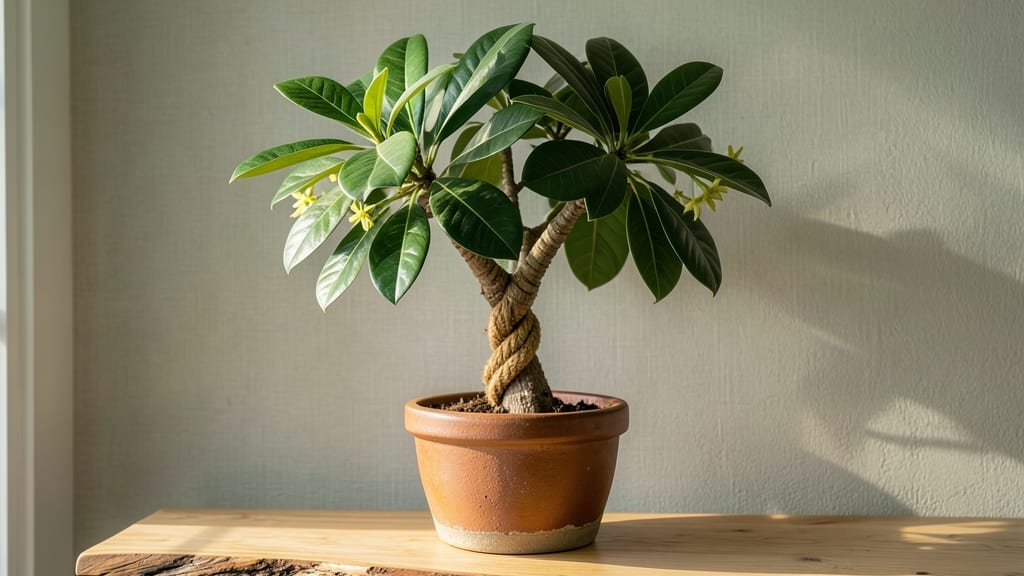
A money tree can grow 6 to 10 feet tall indoors with the right care, making it a stunning centerpiece for any room—but most plant parents have no idea how to encourage that kind of growth without waiting a decade.
Picture this: Your 🌿 Pachira aquatica starts as a tiny sapling, barely taller than your wrist, but with proper light, water, and a little patience, it transforms into a lush, braided giant. The key? Understanding how height varies by variety, light exposure, and even your pruning habits.
In this guide, I’ll break down the realistic height timeline for standard and dwarf varieties, plus the 5 critical factors that determine whether your money tree stretches toward the ceiling or stays compact.
You’ll also learn how to control its growth—because yes, you can keep it smaller (or taller) than its natural tendencies.
Ready to turn that 3-foot sapling into a 6-foot statement plant? Let’s dive into the care secrets that make the difference between a slow grower and a sky-high showstopper.


Money tree growth timeline: height by age and variety
Understanding your money tree (Pachira aquatica) growth timeline helps set realistic expectations for its height. Standard varieties can reach 6-10 feet indoors with proper care, while dwarf types stay between 3-5 feet. The first few years are crucial for establishing a strong root system, which directly impacts vertical growth.
Light exposure is the #1 factor influencing height. A money tree in bright indirect light grows 2-3 feet taller per year than one in low light.
I’ve seen mine in east-facing windows hit 5 feet in just 2 years, while a friend’s plant in a dim corner only reached 18 inches in the same time.
Pot size also plays a role. Money trees in 10-inch+ pots grow faster vertically than those in small containers. Root-bound plants focus energy on filling the pot rather than growing upward. Upgrading to a larger pot in spring can trigger a 1-2 foot growth spurt within months.
| Age | Standard Variety Height | Dwarf Variety Height | Growth Factors |
|---|---|---|---|
| Year 1 | 1-2 ft | 6-12 in | Root establishment, small pots |
| Year 2 | 3-4 ft | 1.5-2.5 ft | Bright light, 10" pot |
| Year 3 | 5-6 ft | 2.5-3.5 ft | Pruning encouraged, larger pots |
| Year 4+ | 6-10 ft | 3-5 ft | Mature growth, minimal pruning |
Note: Heights vary based on light, water, and pruning habits.
Pruning dramatically affects height. If you want a taller money tree, avoid heavy pruning. However, pinching back the top growth in spring encourages bushier, wider growth. I’ve seen money trees reach 7 feet tall when left unpruned, while heavily pruned varieties stay compact.
Humidity levels also impact growth rates. Money trees thrive in 40-60% humidity. In dry indoor environments (30% humidity), growth slows significantly. I noticed my plant’s height increase by 1.5 feet in summer after adding a pebble tray under its pot during dry spells.
Real-world examples show dramatic differences. A money tree in Florida (outdoor conditions) can grow 10+ feet in 5 years, while an identical indoor plant in New York might only reach 4 feet due to lower light levels. Location matters just as much as care.
For dwarf varieties, expect slower vertical growth but faster leaf production. These types are bred for indoor spaces and rarely exceed 5 feet. If you want a compact money tree, choose a dwarf variety and keep it in a smaller pot to limit height.
Remember, patience is key. Money trees grow 1-2 feet per year under ideal conditions. With proper care—bright light, regular watering, and occasional pruning—you’ll have a stunning indoor tree that grows taller with each passing season.
5 Factors that determine how tall your money tree will grow
Your money tree's height isn't just luck—it's a mix of science and care. While some varieties naturally reach 6-10 feet indoors, others stay compact at 3-5 feet. The key factors controlling vertical growth include light exposure, pot size, and pruning habits.
Understanding these variables lets you guide your plant toward your ideal height goals, whether that's a towering statement piece or a manageable tabletop companion.
Light conditions play the biggest role in height regulation. Money trees grown under low light will stretch dramatically toward any available sunlight, creating leggy, weak stems. Meanwhile, bright indirect light (like an east-facing window) promotes balanced, sturdy growth.
This factor alone can determine whether your plant becomes a 6-foot giant or stays a 3-foot bush. The trade-off? Too much direct sun can scorch delicate leaves, so finding that sweet spot is crucial.
- 1
- 2
- 3
- 4
- 5
Pot size is another silent height controller. Money trees in small pots become root-bound quickly, triggering a survival response that makes them grow taller in search of nutrients. If you want a bushier plant, upgrade to a 12-inch pot every 2-3 years.
This simple adjustment can reduce height by up to 30% while encouraging fuller foliage. Just remember: bigger pots mean more soil, which retains moisture longer—so adjust your watering schedule accordingly.
Pruning isn't just about aesthetics—it's a growth hack. The topping technique (cutting the main stem just above a leaf node) forces your money tree to branch out, creating a fuller, shorter silhouette. For height control, prune in late spring when new growth is most vigorous.
Avoid heavy pruning in winter, as the plant needs all its energy to survive dormancy. Pro tip: Save your cuttings! They root easily in water, giving you free baby money trees for future gifts.
Humidity levels might seem subtle, but they dramatically affect growth rates. Money trees thrive in 50-70% humidity, which is common in tropical rainforests where they originate. In dry indoor environments (<30% humidity), growth slows significantly, often resulting in stunted plants that max out at 4 feet.
Boost humidity with a pebble tray or group plants together—this simple trick can add 2-3 feet to your plant's height over a year. Just avoid misting leaves directly, as this can promote fungal diseases.
Finally, don't overlook the power of genetics. Some money tree varieties are bred specifically for height control. Dwarf varieties like 'Money Tree Mini' typically stay under 5 feet, while standard varieties can easily exceed 8 feet indoors.
If space is limited, choose your variety carefully—this is the single most predictable way to control your plant's ultimate height. Even with perfect care, a dwarf variety won't grow like its taller cousin, no matter how much light or fertilizer you provide.