
How To
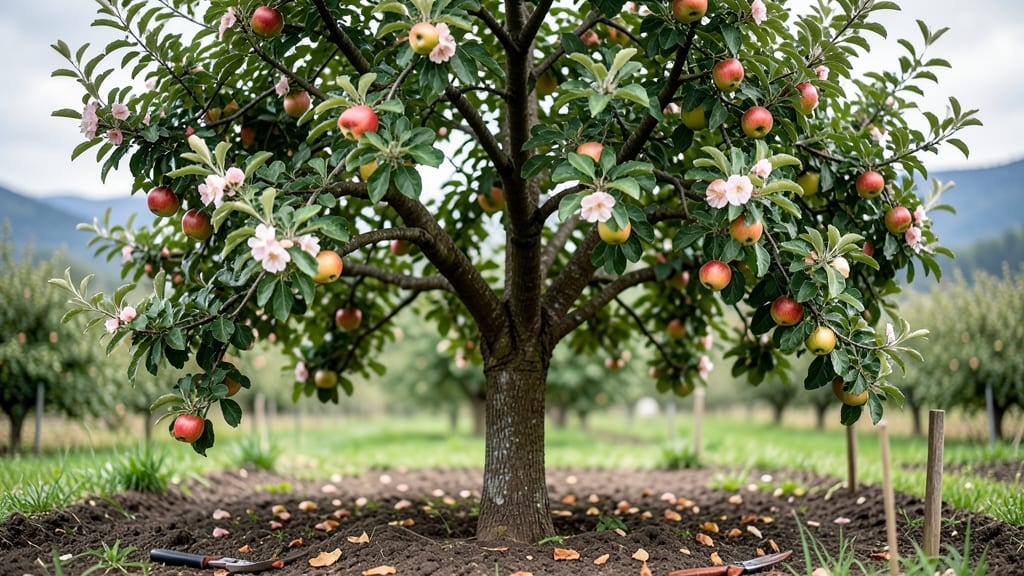
If you’re dreaming of a backyard orchard or just curious about the perfect apple tree for your garden, knowing how tall different varieties grow is key—because space planning can make or break your harvest.
Dwarf varieties stay compact at 6 to 12 feet, making them ideal for small yards or containers, while standard trees can tower up to 30 feet or more, needing plenty of room to spread their branches.
Semi-dwarf trees strike a balance at 12 to 18 feet, perfect for medium-sized gardens.
In this guide, I’ll break down the mature heights of popular apple tree types, share spacing tips to avoid overcrowding, and help you pick the right size for your space—so you can enjoy fresh fruit without sacrificing your lawn.


Apple tree mature heights by variety: dwarf to standard sizes explained
Choosing the right apple tree size is the first step to a thriving backyard orchard.
Whether you have a small urban yard or a spacious rural plot, understanding apple tree mature heights helps you plan spacing, sunlight exposure, and long-term maintenance. Dwarf varieties stay compact, while standard trees can tower over your home—each with unique care needs and harvest rewards.
I’ve grown everything from 6-foot columnar apples to 25-foot standard varieties, and the difference in fruit production, pruning effort, and garden layout is night and day.
Let’s break down the three main size categories—dwarf, semi-dwarf, and standard—so you can pick the perfect fit for your space and lifestyle.
Pro Tip: Always check the rootstock type when buying apple trees, as it determines the final mature height more than the cultivar itself. For example, a Fuji apple on M.9 rootstock will stay dwarf-sized, while the same Fuji on MM.106 will grow semi-dwarf.
| Size Category | Mature Height | Popular Varieties | Rootstock Examples | Ideal Spacing |
|---|---|---|---|---|
| Dwarf | 6–12 ft | Honeycrisp, Fuji, Granny Smith, Gala | M.9, B.9, MM.106 | 8–12 ft apart |
| Semi-Dwarf | 12–16 ft | Golden Delicious, Jonathan, McIntosh | MM.106, MM.111, B.9 | 15–20 ft apart |
| Standard | 20–30+ ft | Granny Smith, Braeburn, Pink Lady | Seedling, Antonovka, Northern Spy | 25–35 ft apart |
Dwarf apple trees are the perfect choice for small gardens or container growing. Varieties like Honeycrisp on M.9 rootstock typically reach just 6–8 feet tall, making them ideal for patios or urban backyards.
These trees fruit earlier—often within 2–3 years—and require less pruning, which is a huge plus for busy gardeners.
My Granny Smith dwarf tree in a large pot produces 50+ apples annually despite its 7-foot height. The trade-off? Smaller fruit size compared to standard trees, but the convenience of harvesting from a ladder (or even a stool!) makes it worth it.
Just ensure you plant them in well-draining soil and provide stakes for support as they mature.
Semi-dwarf apple trees strike a balance between manageable size and generous harvests. These trees usually grow 12–16 feet tall, making them suitable for medium-sized yards. McIntosh and Golden Delicious are classic semi-dwarf picks, offering larger fruit than dwarfs while still being easier to manage than standard trees.
I planted a Jonathan semi-dwarf last spring, and it’s already showing off its broad, spreading canopy. The key with semi-dwarfs is proper spreading spacing—aim for 15–20 feet between trees to prevent root competition.
They also benefit from annual pruning to maintain an open center, which improves airflow and reduces disease risk.
Standard apple trees are the traditional orchard giants, often reaching 20–30 feet or more. Varieties like Braeburn and Pink Lady on seedling rootstock can become true shade trees, providing both fruit and summer shade.
If you have the space, these trees produce the largest, most flavorful apples—but they require heavy-duty pruning and wide spacing (25–35 feet).
My neighbor’s standard Granny Smith is a stunning 25 feet tall and produces hundreds of pounds of fruit each season. However, it demands regular thinning to prevent overcrowding and professional pruning every few years. If you’re not ready for that commitment, consider a semi-dwarf instead.
One question I hear often: “Can I grow a standard apple tree in a small yard?” The short answer is no—unless you’re willing to prune aggressively for years or deal with limited sunlight and poor airflow.
Standard trees need space to thrive, and cramming them into tight areas often leads to smaller fruit, more pests, and disease issues.
For container growing, stick to columnar or spindle dwarf varieties like ‘Columnar Delicious’, which grow just 6–8 feet tall and 2–3 feet wide.
These are perfect for balconies or small patios. Just ensure your container is at least 15–20 gallons and has drainage holes to prevent root rot.
Remember, apple tree height isn’t set in stone—proper pruning and training can influence final size. For example, espalier techniques can keep even standard varieties manageable by growing them flat against a fence or wall. It takes
How to choose the right apple tree size for your space
Selecting the right apple tree size depends on your garden layout, sunlight exposure, and how much maintenance you're willing to handle. A standard apple tree can reach 20-30 feet, while dwarf varieties stay between 6-12 feet.
Your space and sunlight conditions will determine which size works best for you.
For small yards or containers, dwarf apple trees are ideal because they require less space and are easier to manage. These varieties produce fruit just like their larger counterparts but stay compact.
If you have a spacious backyard with full sun, a semi-dwarf or standard tree might be the perfect fit for a traditional orchard feel.
Here’s a quick comparison to help you decide based on your space and preferences:
Pros:
- Perfect for small yards
- Easy to prune and maintain
- Can grow in containers
Cons: - Lower fruit yield
- Needs staking for support
- Shorter lifespan
Pros:
- Balanced size for medium yards
- Higher fruit yield than dwarfs
- Less maintenance than standards
Cons: - Requires more space than dwarfs
- Needs occasional pruning
- Can outgrow small spaces
Pros:
- Traditional orchard look
- Highest fruit production
- Longer lifespan
Cons: - Needs large yard space
- Requires regular pruning
- Harder to maintain
If you’re growing in containers, opt for dwarf apple trees like 'Columnar' or 'Spindle' varieties. These trees thrive in large pots with proper drainage and sunlight. Just ensure your container is at least 18-24 inches deep and wide enough to accommodate root growth.
Container gardening also makes it easier to move your tree if needed.
For sunlight preferences, all apple trees need at least 6-8 hours of full sun daily. Dwarf varieties can tolerate partial shade, but they’ll produce fewer apples.
If your garden gets limited sunlight, consider placing your tree in the sunniest spot possible or choose a shade-tolerant variety like 'Liberty' or 'Enterprise'.
Pruning plays a crucial role in controlling your apple tree’s height and shape. For dwarf trees, prune lightly in late winter to encourage fruit production and maintain size.
With standard trees, prune more aggressively to manage height and improve airflow, reducing disease risk. Always use sterilized pruning shears and remove any dead or diseased branches first.
Remember, the right apple tree size isn’t just about height—it’s about creating a sustainable and enjoyable gardening experience. Whether you choose a compact dwarf or a towering standard, your tree will thrive with proper care, sunlight, and space. Happy planting! 🍏🪴