
How To
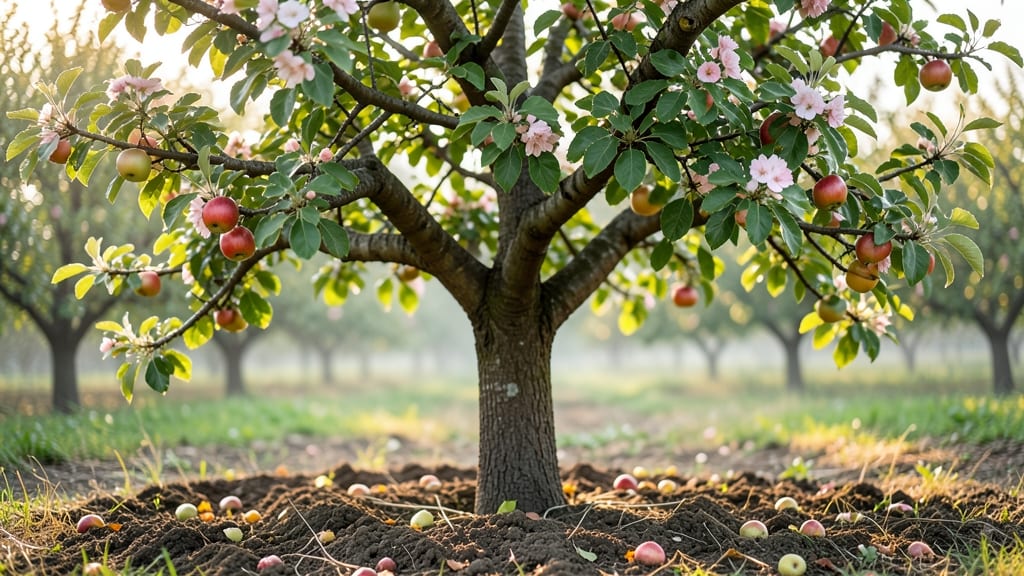
Picture this: You’ve just planted your dream apple tree, only to realize in five years it’s blocking your patio or shading your entire yard.
The height of your tree isn’t just about aesthetics; it determines how much fruit you’ll get, how easy it is to maintain, and whether you’ll even have room to walk beneath it.
Dwarf varieties stay compact at 6–12 feet, perfect for small backyards or even containers, while standard trees reach 20–30 feet—ideal for rural properties or orchards. Semi-dwarfs strike a balance at 12–16 feet, making them a popular choice for suburban gardens.
In this guide, I’ll break down the height differences, how rootstock affects growth, and the space-saving tips you need to pick the perfect apple tree for your garden—without sacrificing future harvests.


Apple tree height variations: dwarf, semi-dwarf, and standard sizes explained
Choosing an apple tree isn’t just about the fruit—it’s about the space it’ll occupy. A standard apple tree can tower over your house, while a dwarf variety fits neatly in a small yard.
The difference? Rootstock. This underground part controls height, fruit size, and even cold hardiness. Let’s break down your options so you can pick the perfect fit for your garden.
Apple trees come in three main height categories: dwarf (6–12 ft), semi-dwarf (12–20 ft), and standard (20–30+ ft). Your choice depends on yard size, maintenance goals, and whether you’re growing for personal use or a commercial harvest.
Each type has unique benefits, from easy picking to long-term fruit production.
The rootstock is the secret to controlling your apple tree’s height. For example, M.9 rootstock produces dwarf trees that mature at just 6–12 ft, while seedling rootstock yields towering standard trees. Even the fruit size changes—dwarf trees often bear smaller apples but produce earlier and more reliably in small spaces.
If you’re short on space, dwarf apple trees are the way to go. They’re perfect for balconies, patios, or even large pots. Just remember: dwarf trees need more care—they’re less hardy in cold climates and may require staking or support to prevent toppling.
Varieties like ‘Liberty’ or ‘Zestar!’ thrive in these sizes.
For a balance between size and productivity, semi-dwarf apple trees are ideal. They reach 12–20 ft but stay manageable for most homeowners. These trees often produce larger fruit and are more disease-resistant than dwarfs. Popular choices include ‘Gala’ or ‘Fuji’ on MM.106 rootstock.
Standard apple trees are the classic orchard giants, growing 20–30+ ft tall. They’re best for rural properties or commercial farms where space isn’t an issue.
These trees live longer, produce more fruit over time, and are self-sufficient with minimal care. However, they require heavy pruning and ladder access for harvesting.
One common mistake? Assuming all dwarf trees are the same. Some, like those on B.9 rootstock, are even more compact (5–8 ft), while others on M.26 reach the upper limit of the dwarf range. Always check the rootstock type when shopping to avoid surprises.
Pro tip: If you love the idea of a standard tree but lack the space, consider espalier training. This technique flattens the tree against a wall or fence, keeping it narrow while still allowing it to grow tall.
It’s a great way to enjoy a large tree’s fruit without sacrificing yard space.
No matter which size you choose, remember: pruning is key to managing height and shape. Regular pruning in late winter or early spring keeps your tree healthy, productive, and within your desired size limits. Start with 3–4 main branches and thin out water sprouts to encourage strong growth.
Ready to plant? Measure your space, research rootstocks, and pick a variety that fits your goals—whether it’s a backyard snack tree or a full-scale orchard. With the right choice, you’ll enjoy fresh apples for years to come! 🍎
Which apple tree height works best for your space? (With spacing guidelines)
Choosing the right apple tree height isn’t just about aesthetics—it’s about maximizing your harvest while keeping your garden functional. Dwarf varieties (6-12 ft) work perfectly for small yards or urban spaces, while semi-dwarfs (12-20 ft) fit medium-sized properties. Standard trees (20+ ft) need room to spread their roots and branches, ideal for rural orchards or large estates.
Your tree’s height directly impacts spacing needs. Overcrowding leads to poor air circulation, increasing disease risk and reducing fruit quality. Meanwhile, proper spacing ensures sunlight reaches all branches, boosting yield. Let’s break down the best spacing for each height category to help you plan your orchard like a pro.
🌱 Apple Tree Height & Spacing Guidelines
- 🌿 Dwarf Trees (6-12 ft): Plant 3-6 ft apart for single trees or 8-10 ft apart in rows. Perfect for containers or small backyards—just ensure pots are at least 20 gallons.
- 🌳 Semi-Dwarf Trees (12-20 ft): Space 10-15 ft apart to allow airflow and sunlight penetration. Ideal for suburban yards or small orchards with 2-4 trees.
- 🏡 Standard Trees (20+ ft): Require 20-30 ft of space between trees. Best for rural properties or commercial orchards where you can plant multiple varieties for cross-pollination.
- 🏙️ Urban Gardens: Use dwarf or columnar varieties spaced 4-5 ft apart along fences or walls. Pair with vertical trellises to save space and improve fruit access.
- 🌊 Container Growing: Choose dwarf rootstocks like M.9 or B.9. Use large containers (30+ gallons) and space 5-6 ft apart for airflow. Move containers to sunny spots in winter.
For multi-tree orchards, consider planting trees in staggered rows to optimize sunlight exposure. For example, plant one row of semi-dwarf trees spaced 12 ft apart, then offset the next row by 6 ft. This technique, called quadrangular planting, maximizes space efficiency while reducing shading.
If you’re limited to a small urban space, opt for columnar varieties like ‘Columnar Red Delicious’ or ‘Greenstem Golden.’ These grow 8-12 ft tall but only 2-3 ft wide, making them ideal for narrow gardens or balconies.
Just ensure they get full sun (6+ hours daily) for best fruit production.
Proper spacing isn’t just about the trees—it’s also about their root systems. Dig a hole twice as wide as the root ball but no deeper. Amend the soil with compost or well-rotted manure to improve drainage and fertility.
Mulch around the base with wood chips or straw to retain moisture and suppress weeds.
Remember, even the smallest apple tree needs room to thrive. By following these spacing guidelines, you’ll create an orchard that’s productive, healthy, and easy to maintain—no matter how much (or little) space you have. Happy planting! 🍏