
How To
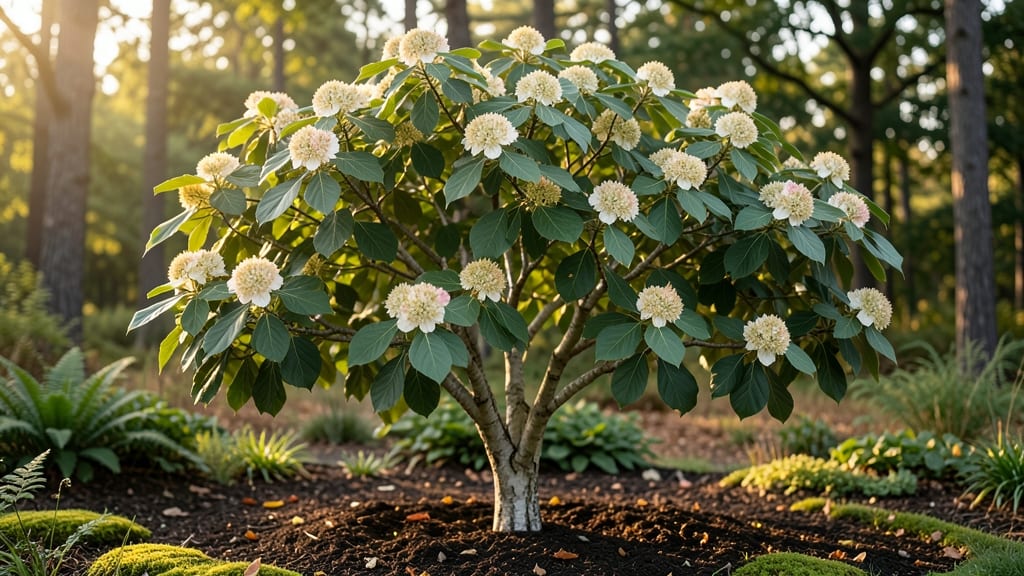
A dogwood tree can grow anywhere from 10 to 35 feet tall, depending on the variety and growing conditions—so your landscape plans should account for both towering giants and compact options.
If you're dreaming of a stunning shade tree with breathtaking spring blooms, dogwoods are a top choice—but their mature height can make or break your landscape plans. From towering native varieties to compact dwarf types, here’s what you need to know before planting.
Native species like Cornus florida often reach 20 to 30 feet, making them ideal for spacious yards, while some cultivars stay under 10 feet, perfect for smaller gardens or containers. The right choice depends on sunlight, soil, and even your local climate.
Below, I’ll break down the height ranges by variety, how to pick the perfect size for your space, and the key factors that influence how tall your dogwood will grow—so you can plant with confidence.


Dogwood tree height by variety: from dwarf to giant species
Choosing a dogwood tree often comes down to one key question: how tall can a dogwood tree grow? The answer varies dramatically—from towering native species reaching 20-30 feet to dwarf cultivars that stay under 10 feet.
Your yard's space, sunlight, and landscape goals will determine which variety fits best. Let's explore the height ranges of popular dogwood types so you can make an informed choice.
Native dogwoods like Cornus florida and Cornus nuttallii often top out between 15-25 feet, making them ideal for rural properties or large yards. Meanwhile, newer hybrid varieties such as 'Cherokee Brave' or 'Celestial' offer more compact options perfect for urban gardens.
Understanding these differences helps prevent overcrowding and ensures your tree thrives for decades.
| Variety | Mature Height Range | Growth Rate (Annual) | Best For |
|---|---|---|---|
| Cornus florida (Flowering Dogwood) | 15-25 ft | 1-2 ft | Shade trees, large yards |
| Cornus nuttallii (Pacific Dogwood) | 20-30 ft | 2-3 ft | Rural landscapes, woodland gardens |
| 'Cherokee Brave' (Dwarf Hybrid) | 6-10 ft | 6-12 in | Urban gardens, small yards |
| 'Celestial' (Compact Hybrid) | 8-12 ft | 1 ft | Containers, patios, small spaces |
| 'Rutledgii' (Kousa Dogwood) | 15-20 ft | 1-2 ft | Shade trees, mixed borders |
| 'Stellar Pink' (Pink Flowering) | 12-15 ft | 1 ft | Color accents, medium yards |
| 'Aurora' (White Bracts) | 15-20 ft | 1.5 ft | Shade trees, formal gardens |
| 'Golden Sunburst' (Variegated) | 15-20 ft | 1-2 ft | Accent trees, color contrast |
If you're planting in an urban setting, prioritize dwarf or semi-dwarf varieties like 'Cherokee Brave' or 'Celestial'. These stay under 10 feet and grow at a slower pace, making them perfect for small yards or container gardening.
In contrast, rural landscapes can accommodate taller native species like Cornus nuttallii, which can reach 30 feet with proper care.
Growth rates also vary significantly. For example, Cornus nuttallii can add 2-3 feet per year in ideal conditions, while dwarf hybrids like 'Cherokee Brave' grow just 6-12 inches annually. This means a 10-foot dogwood may take 5-10 years to mature, depending on the variety and growing conditions.
Another critical factor is pruning practices. Regular pruning can reduce height by 20-30% in some varieties, while neglect can lead to overgrowth. For instance, Cornus florida left unpruned may exceed 25 feet, but strategic pruning keeps it between 15-20 feet.
Always prune in late winter or early spring to avoid damaging new growth.
Soil quality and sunlight also play a role. Dogwoods thrive in well-draining, acidic soil with partial shade. In full sun, some varieties may grow taller but produce fewer blooms.
For example, 'Stellar Pink' stays around 12-15 feet in partial shade but can stretch to 18 feet in full sun.
For small gardens, consider container-grown dogwoods like 'Celestial', which can be pruned to stay under 8 feet. In larger properties, Cornus nuttallii or 'Aurora' provide stunning height and shade. Always measure your space and check the mature height range before planting to avoid future regrets.
One final tip: spread roots need room to grow. A 20-foot dogwood requires at least 15-20 feet of clearance from structures, while dwarf varieties need just 6-8 feet. Plan accordingly to ensure your dogwood thrives for decades to come.
How to choose the right dogwood size for your yard
Choosing the right dogwood size starts with understanding your yard’s space and sunlight conditions. Standard dogwoods like Cornus florida can reach 20-30 feet tall, making them perfect for large properties with full sun to partial shade.
But if your space is limited, dwarf varieties like 'Cherokee Brave' stay under 10 feet, ideal for containers or small gardens.
Before planting, measure your yard’s available space and check the mature height of your chosen variety. A 25-foot dogwood needs at least 15 feet of clearance from structures, while dwarf types thrive in tight spots with just 5 feet of space.
Always factor in the tree’s spread—some varieties grow 15-20 feet wide.
🌳 Dogwood Height Guide
- Standard varieties: 15-30 ft tall, 15-20 ft wide
- Dwarf varieties: 6-10 ft tall, 5-8 ft wide
- Growth rate: 1-2 ft per year (faster in ideal conditions)
- Sunlight needs: 4-6 hours of partial shade
Tip: Prune young trees to encourage a balanced shape and control height naturally.
For small yards or containers, opt for dwarf dogwoods like 'Rutledgemaster' or 'Golden Glow'. These varieties grow 6-8 feet tall and handle pruning well, making them versatile for patios or urban gardens. Always use a well-draining potting mix and a container with drainage holes to prevent root rot.
If you’re planting near a house or fence, choose a smaller variety to avoid shading or structural issues. For example, 'Cherokee Princess' stays under 10 feet tall and blooms prolifically, perfect for foundation plantings.
Always plant at least 3 feet away from structures to allow airflow and prevent moisture buildup.
Pruning plays a key role in controlling dogwood height. Prune in late winter or early spring before new growth begins. Remove dead or crossing branches first, then thin the canopy to improve airflow.
For height control, limit pruning to no more than 25% of the tree’s height per year to avoid stress.
Finally, consider your landscape goals. Dogwoods offer year-round interest with spring blooms, summer foliage, and fall berries. For a privacy screen, plant multiple 15-20 foot dogwoods in a row.
For a focal point, a single 25-foot specimen will draw attention. Always match the variety to your space and maintenance preferences.