
Pruning
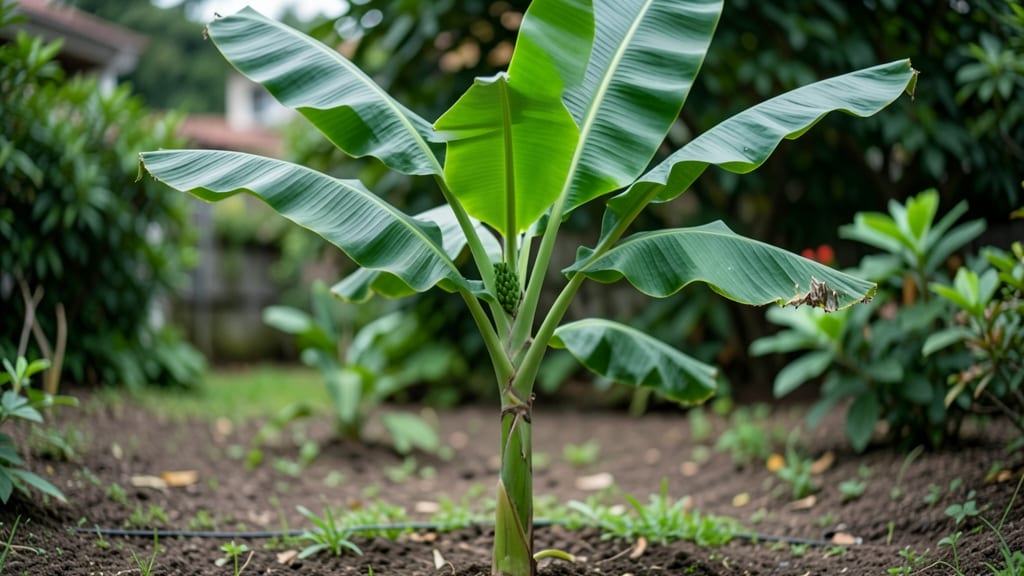
The Dwarf Cavendish banana tree height stays between 4 and 6 feet when grown in containers or small gardens—far smaller than its giant tropical cousins but just as productive!
Dreaming of growing bananas in your backyard or balcony but worried about space? The Dwarf Cavendish banana tree 🍌 stays under 5 feet tall, making it perfect for containers and small gardens—without sacrificing fruit production!
Unlike standard banana trees that can tower over 20 feet, this compact variety thrives in pots, urban patios, and even indoor setups with the right care.
Whether you're in USDA Zone 10-11 or a cooler microclimate, we’ll show you how to keep it manageable while maximizing those sweet, plump bananas.
Here’s what you’ll learn: the ideal container size to control height, pruning tricks to keep it tidy, and how sunlight and watering habits affect growth—so you can enjoy homegrown bananas without the jungle-sized footprint.

Why Dwarf Cavendish banana trees stay under 5 feet (and how to maximize space)
The Dwarf Cavendish banana tree stays under 5 feet tall thanks to its compact genetics, unlike its towering cousins that reach 15-25 feet. This makes it ideal for containers, balconies, and small gardens while still producing sweet, edible bananas.
The secret lies in its short pseudostem—the thick, false trunk made of leaf sheaths—and slower growth rate compared to standard varieties.
Standard banana trees grow tall because their pseudostem elongates rapidly to reach sunlight, but the Dwarf Cavendish has a genetic growth limit. Its height maturity typically peaks at 4-6 feet, with some reaching 8 feet in perfect conditions.
This compact size doesn’t mean smaller yields—many growers report similar fruit production in less space!
To keep your Dwarf Cavendish under 5 feet, focus on three key factors: container size, pruning techniques, and optimal growing conditions. The right pot depth and diameter restrict root expansion, while strategic pruning controls height.
Below, we break down the science and practical tips to maximize space without sacrificing fruit.
| Factor | Dwarf Cavendish Specs | Standard Cavendish Specs | Space-Saving Tip |
|---|---|---|---|
| Genetic Height | 4-6 ft (max 8 ft) | 15-25 ft | Choose dwarf varieties for compact growth. |
| Pseudostem Growth | Slow, controlled elongation | Rapid vertical expansion | Prune suckers early to limit height. |
| Container Needs | 18-24" deep, 12-18" diameter | Not container-friendly | Use wide, shallow pots for root spread. |
| Sunlight Needs | 6 hours partial sun | Full sun (8+ hours) | East/west windows or dappled shade. |
| Harvest Time | 12-18 months | 18-24 months | Fertilize lightly to speed up fruiting. |
The Dwarf Cavendish’s compact size stems from its shorter internodes—the segments between leaf joints. Standard bananas have longer internodes, causing their dramatic height increase. In containers, this trait becomes even more pronounced because root restriction naturally limits vertical growth.
Think of it like training a bonsai tree: the plant adapts to its space.
For ideal growing conditions, mimic the tropical microclimate this banana thrives in. It needs 70-85°F temperatures, 60-80% humidity, and well-draining soil.
In USDA Zones 10-11, it grows year-round outdoors, but in cooler zones, move it indoors near a sunny window or under grow lights during winter. A humidifier or pebble tray can help maintain humidity levels.
Container size plays a critical role in height control. A 24-inch deep pot with a 16-inch diameter gives roots enough room to spread without encouraging upward growth. Avoid overly large containers, as excess soil can promote taller, leggier growth.
For balcony gardening, a fabric grow bag with drainage holes works perfectly—just ensure it’s at least 18 inches deep.
Pruning is your secret weapon for keeping the Dwarf Cavendish under 5 feet. Remove sucker shoots (new growth at the base) when they’re 6-12 inches tall to redirect energy to fruit production.
You can also trim older leaves to improve airflow and prevent fungal issues. Just avoid cutting more than 20% of the foliage at once—this can stress the plant and trigger compensatory growth spikes.
Light exposure directly impacts height. While Dwarf Cavendish tolerates partial shade, it needs at least 6 hours of sunlight daily to fruit properly.
In hot climates, protect it from harsh afternoon sun (1 PM–4 PM) by placing it under a lattice shade cloth or near a west-facing window. Too little light leads to etoliation—elongated, weak stems—while too much can scorch leaves and stress the plant.
Fertilizing smartly also keeps your banana compact and productive. Use a balanced 10-10-10 fertilizer every 4-6 weeks during spring and summer, but reduce nitrogen in fall to encourage flowering and fruiting.
Over-fertilizing with nitrogen promotes leafy growth at the expense of height control. Instead, focus on potassium-rich fertilizers to strengthen stems and improve fruit quality.
Finally, rotate your container every few weeks to ensure even sunlight exposure. This prevents the plant from leaning or stretching toward a light source, which can cause uneven growth and height spikes.
Pair this with consistent watering—keep soil moist but not soggy—and you’ll maintain that ideal 5-foot height while enjoying a bountiful harvest.
Best container sizes and pruning tips to keep your Dwarf Cavendish compact
Choosing the right container size is critical for keeping your Dwarf Cavendish banana tree under 5 feet tall. Unlike standard banana trees, this compact variety thrives in shallow but wide containers to restrict root growth and control height.
A 12- to 18-inch diameter pot with at least 12 inches of depth gives roots enough space without encouraging excessive vertical growth.
For optimal fruit production, prioritize well-draining soil mixes with 50% organic matter (like coconut coir or peat moss) and 50% perlite or sand. This prevents waterlogging, which can stress roots and lead to uncontrolled height spikes. Elevate containers slightly to improve drainage—especially in rainy climates.
⚠️ WARNING: Overpotting is a common mistake!
Pruning is your best tool to control height naturally. Start by removing suckers (shoots at the base) when they reach 6 inches tall. Use sterilized pruning shears to cut at a 45-degree angle, leaving a 1-inch stub to prevent disease.
For established trees, trim back 1/3 of the tallest fronds in early spring to redirect energy to fruit production instead of height.
Seasonal adjustments are key to preventing overgrowth. In summer months, reduce fertilizer strength by half to slow rapid growth. Move containers to partial shade (morning sun only) if temperatures exceed 90°F (32°C).
During winter dormancy (if in cooler zones), let the top 2-3 leaves yellow naturally—this signals the plant to halt vertical growth until spring.
For indoor growers, place your Dwarf Cavendish near a south-facing window with 4-6 hours of filtered light daily. Supplement with a grow light 12 inches away for 12 hours/day to mimic natural daylight.
Avoid drafty spots—banana trees hate sudden temperature drops, which can cause stunted growth or height surges as the plant recovers.
With the right container size, pruning routine, and seasonal care, your Dwarf Cavendish will stay under 5 feet while producing bountiful fruit. Monitor growth monthly and adjust pruning frequency based on how quickly new suckers emerge—aggressive pruning now means more bananas later! 🍌✂️