
Pruning
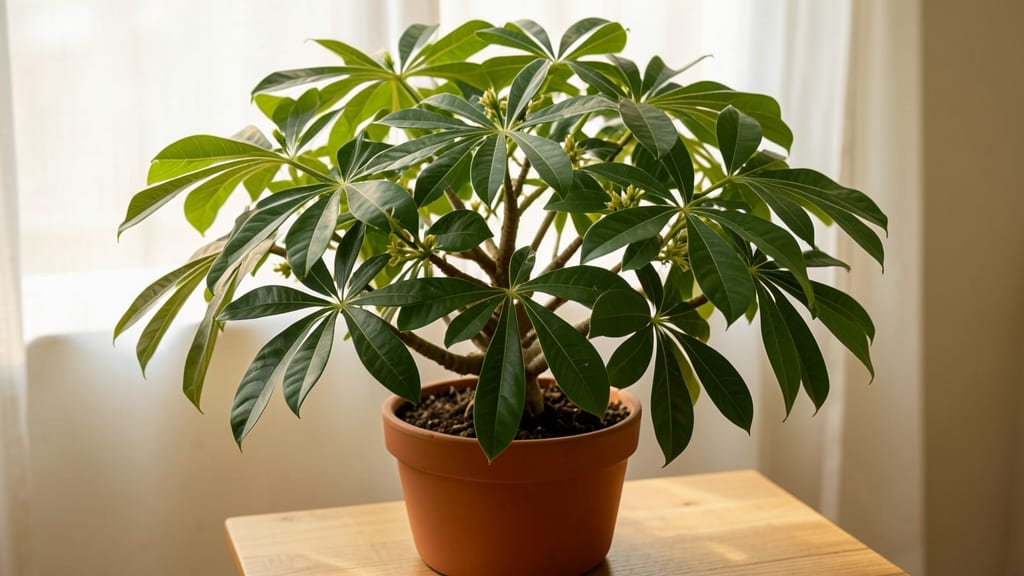
Growing an Ellwoodii tree indoors brings jungle drama to your living room—its striking variegated leaves and compact shape make it a standout houseplant. 🌿 The key to keeping it thriving lies in mimicking its natural habitat, where bright indirect light fuels those vibrant stripes and prevents leggy growth.
I’ve learned the hard way that too little light turns those gorgeous leaves dull, while too much direct sun scorches the edges like a bad sunburn.
This dwarf tree isn’t fussy about soil—just use a well-draining potting mix with perlite or orchid bark to prevent root rot. Water when the top inch feels dry, but never let it sit in soggy soil (overwatering is the #1 killer of Ellwoodii trees).
A humidity tray or occasional misting keeps those leaves crisp, especially if your home’s air feels as dry as winter bones.
Pruning is where the magic happens—snip back leggy stems to encourage bushier growth, and propagate those cuttings in water for free plants. With the right light and care, your Ellwoodii will reward you with year-round greenery that turns heads and brightens even the gloomiest corner.
Whether you’re dealing with brown tips from dry air or slow growth from weak lighting, these adjustments will keep your tree looking its best. The payoff? A lush, low-maintenance centerpiece that grows with you—no greenhouse required.
📚 In This Guide
- What you need
- Instructions
- Tips and common mistakes
- Wrapping up and next steps
What you need
- ● Ellwoodii Tree (Dwarf Schefflera) – A healthy, potted specimen (3–5 feet tall). Ensure it’s disease-free and well-established.
- ● Light source – A south- or west-facing window with bright, indirect light (6+ hours/day). Alternatively, a grow light (12–16 hours/day) for supplemental lighting.
- ● Well-draining potting mix – A blend of 50% peat moss or coco coir, 30% perlite or pumice, and 20% orchid bark or sand for aeration.
- ● Pot with drainage holes – A terracotta or ceramic pot (1–2 inches larger in diameter than the current container) to prevent root rot.
- ● Pruning shears – Sharp, sterilized shears (or small bypass pruners) for trimming.
- ○ Rooting hormone (optional but helpful) – A gel or powder to encourage root growth if propagating.
- ● Humidity tray or pebble tray – To maintain 50–70% humidity (especially in dry climates).
- ● Misting bottle – For occasional leaf misting (if humidity is low).
- ● Fertilizer – A balanced liquid fertilizer (10-10-10 or 20-20-20), diluted to half-strength, applied every 4–6 weeks in growing season.
- ● Pot saucer or cache pot – To catch water and protect surfaces.
- ● Support stake or moss pole – If your tree leans or needs structural support.
- ● Soil moisture meter – To monitor watering needs without over-saturating.
- ● Fungicide spray – A preventative measure against powdery mildew or pests.
- ● Decorative elements – Moss, pebbles, or decorative stones for aesthetic appeal.
Step-by-step guide to growing an Ellwoodii tree indoors
Here’s how to nurture this stunning dwarf olive tree into a thriving, sun-loving houseplant that rewards you with glossy foliage year-round.
🪴 Step 1: Choose the Right Pot and Drainage
Start with a 6-8 inch diameter pot with drainage holes—Ellwoodii trees hate soggy roots. I recommend terracotta because it breathes and helps prevent root rot. If your pot lacks holes, drill 2-3 additional ones near the bottom to ensure excess water escapes.
Place a layer of gravel or broken pottery at the bottom (about 1 inch deep) to create an air gap. This prevents water from pooling against the roots while still allowing drainage. Use only one-third of the pot’s volume for this layer—too much reduces soil space for roots.
☀️ Step 2: Use Well-Draining Soil and Position for Light
Fill the pot with a mix of 50% cactus/succulent soil and 50% perlite or pumice—this ensures fast drainage while retaining enough moisture for the tree’s Mediterranean roots. Avoid regular potting soil; it stays too wet and causes root rot.
Place your Ellwoodii tree in the brightest spot in your home—6+ hours of direct sunlight daily. South- or west-facing windows work best. If natural light is limited, supplement with a grow light 12 inches above the plant for 8-10 hours daily. You’ll notice new growth slow or leaves yellow if light is insufficient.
💧 Step 3: Water Deeply but Infrequently
Water only when the top 2 inches of soil feel dry to the touch—this prevents overwatering, which is the #1 killer of Ellwoodii trees. Stick your finger in the soil; if it’s damp past the first inch, wait another day. When you do water, soak the soil until water drains freely from the bottom holes.
Empty the saucer after 10 minutes to avoid root suffocation from sitting water. In winter, reduce watering to every 3-4 weeks—the tree’s growth slows naturally, and overwatering in cool, dry air is a fast track to root rot.
✂️ Step 4: Prune for Shape and Health
Trim leggy growth or overcrowded branches in early spring to encourage bushier growth. Use clean, sharp pruners to cut just above a leaf node—this prevents unsightly stubs. I like to shape mine into a small tree form by pinching back the top few inches of new growth.
Remove any yellow or brown leaves immediately—they signal stress from overwatering or pests. A light dusting of neem oil once a month keeps aphids and spider mites at bay, which love the tender new growth.
🌿 Step 5: Fertilize Lightly During Growing Season
Feed your Ellwoodii tree once a month from April to September with a balanced, water-soluble fertilizer (10-10-10 or 20-20-20) diluted to half strength. Over-fertilizing burns the roots—always water the tree first to avoid salt buildup in the soil.
Skip fertilizer in winter unless you see new growth. The tree enters a natural dormancy period, and extra nutrients just encourage weak, leggy stems. You’ll know it’s happy when it produces small, silvery-green leaves—those are your reward for proper care!
Tips & tricks for perfect Ellwoodii tree care indoors
Real talk: Even the hardiest plants need a little extra attention to thrive—and this sun-loving Ellwoodii tree is no exception. Here's what I've learned after watching mine go from struggling to thriving.
Pot and Drainage Insight: The 6-8 inch diameter pot recommendation isn't arbitrary—it gives roots room to establish while maintaining stability. If you're worried about tipping, choose a slightly heavier pot like ceramic. The 1 inch gravel layer at the bottom is crucial for preventing soggy roots; I've seen roots rot when this step was skipped. For extra insurance, add a 2nd layer of coffee filters over the drainage holes to prevent soil from washing out while still allowing water to escape.
Soil Mix Secret: The 50/50 cactus/succulent soil to perlite/pumice ratio might seem unusual for an olive tree, but this Mediterranean native actually thrives with this dry, airy mix. I've found that adding 10% coarse sand to this blend improves drainage even more. Avoid pre-mixed cactus soil with added fertilizer—it can burn your Ellwoodii's sensitive roots. Pro tip: Sterilize your soil mix by baking it at 200°F for 30 minutes before use to kill any potential pests or pathogens.
Light Positioning: That 6+ hours of direct sunlight requirement is non-negotiable for vibrant growth. I've learned the hard way that even a few hours of shade can cause leaves to yellow. If your windows don't get enough sun, consider placing your tree on a sunny windowsill with a mirror angled to reflect light onto it. For grow lights, LED full-spectrum bulbs work best—avoid cheap white LEDs that can stress the plant. Rotate your tree quarter turn weekly to ensure even growth toward the light source.
Pruning Precision: When shaping in early spring, focus on cutting just above a leaf node where two leaves meet. This encourages new growth at that point. For a more natural look, prune branches at a 45-degree angle rather than straight across. The neem oil treatment is my secret weapon against pests—just mix 1 teaspoon per quart of water and spray lightly on the leaves. I apply it in the evening when bees aren't active, and the tree seems to love the extra care!
Pro Tips for Ellwoodii Tree Indoors
- Real talk: Even the hardiest plants need a little extra attention to thrive—and this sun-loving Ellwoodii tree is no exception.
- Pot and Drainage Insight: The 6-8 inch diameter pot recommendation isn't arbitrary—it gives roots room to establish while maintaining stability.
- Soil Mix Secret: The 50/50 cactus/succulent soil to perlite/pumice ratio might seem unusual for an olive tree, but this Mediterranean native actually thrives with this dry, airy mix.
Frequently asked questions
Got questions about keeping an Ellwoodii tree thriving indoors? You’re not alone!
Here are answers to the most common concerns—from sunlight struggles to pruning pitfalls—so you can enjoy your lush, low-maintenance green friend all year.
How much sunlight does an Ellwoodii tree really need indoors?
The Ellwoodii (also called the Dwarf Umbrella Tree) is a sun-worshipper! Aim for 6+ hours of bright, indirect light daily. South- or west-facing windows are ideal. If your space is dim, supplement with a grow light (12–14 hours/day) to prevent leggy growth. Pro tip: Rotate the pot weekly for even exposure!
Can I prune my Ellwoodii tree indoors? If so, when and how?
Prune in early spring (before new growth) to shape it or control size. Use sterilized shears to trim back leggy stems or overcrowded branches—cut just above a leaf node. Warning: Avoid heavy pruning in winter, as it stresses the tree. For a fuller look, pinch back new growth tips in summer!
Why are the leaves on my Ellwoodii tree turning yellow or brown?
Yellowing leaves often signal overwatering (let the top 1–2 inches of soil dry out between waterings), while brown tips usually mean low humidity. Boost moisture with a pebble tray or occasional misting. Check for pests too! Inspect undersides of leaves for spider mites or scale—treat with neem oil if needed.
Is the Ellwoodii tree safe for pets or kids indoors?
Good news: The Ellwoodii is non-toxic to cats, dogs, and humans! However, its leaves aren’t edible, so discourage chewing. If your pet nibbles, monitor for mild stomach upset (rare). For extra safety, place it out of reach—just enjoy its air-purifying benefits!
What’s a good indoor alternative if my Ellwoodii struggles?
If sunlight or space is limited, try these low-light-tolerant dwarf trees:
- Parlor Palm – Thrives in shade, pet-safe.
- Schefflera (Umbrella Plant) – Similar shape, slightly more forgiving.
- ZZ Plant – Nearly indestructible (but less lush).
Wrapping up and next steps
Growing an Ellwoodii tree indoors is a rewarding way to bring vibrant, year-round greenery into your space—especially if you love sunlight-loving plants! With the right care, pruning, and a touch of patience, this dwarf tree thrives as a stunning centerpiece or accent.
Remember, consistent light, proper pruning, and occasional grooming are key to keeping it lush and healthy.
Ready to take the next step? Start by assessing your space—ensure it gets enough bright, indirect light, and gather your pruning tools. Then, give your Ellwoodii the love it deserves, and watch it flourish into a breathtaking indoor treasure! 🌿✨