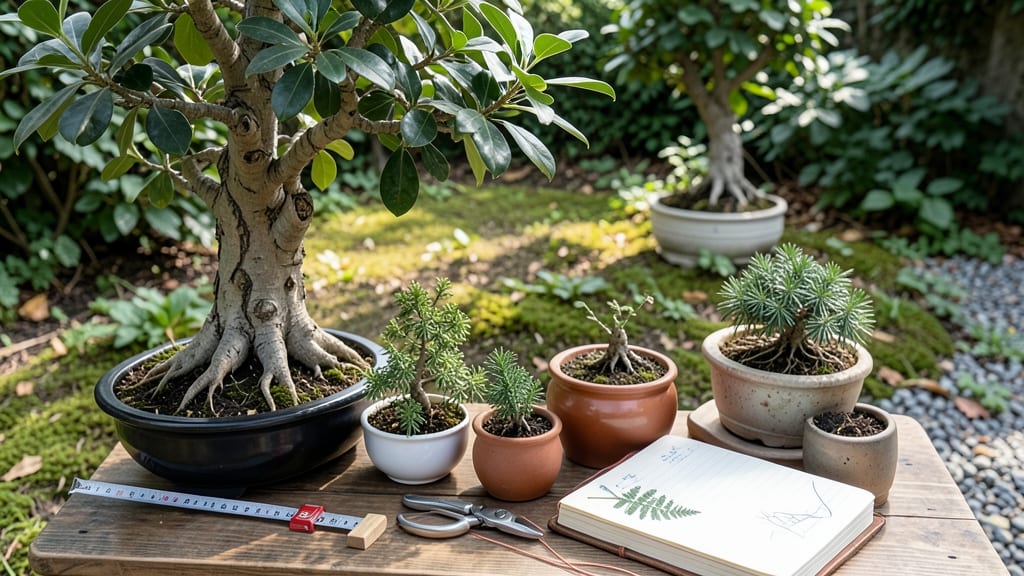
Step-by-step pruning techniques to control bonsai height
Mastering the art of pruning is essential if you want to keep your bonsai tree at your desired height limit. Unlike regular trees, bonsai thrive on precise height control, which requires a mix of defoliation, branch trimming, and root pruning.
Each technique serves a unique purpose, and timing matters—spring and early summer are the best seasons to prune for optimal results. Let’s dive into the step-by-step methods that will help you sculpt your bonsai into a miniature masterpiece.
Before you begin, gather your tools: concave cutters for clean cuts, anemic shears for fine trimming, and wiring tools for shaping branches. Safety first—always sterilize your tools with rubbing alcohol to prevent disease. Start by assessing your bonsai’s growth stage.
Young trees need frequent pruning to establish structure, while mature trees require more refined adjustments. Understanding these stages will help you tailor your approach for the best results.
🌿 Mastering Bonsai Height: Step-by-Step Pruning Guide
-
Step 1: Defoliation
Remove 20-30% of leaves in late spring to encourage smaller, denser foliage. Use your fingers or a pair of anemic shears to pinch off leaves gently. This technique reduces leaf size and promotes tighter growth—ideal for maintaining a compact shape.
-
Step 2: Branch Trimming
Trim branches to shape the silhouette and control height. Use concave cutters to make clean cuts just above a leaf node. Avoid cutting too close to the trunk, as this can damage the tree. Focus on removing overly long branches first to maintain balance.
-
Step 3: Root Pruning
Every 2-3 years, repot your bonsai and trim 1/3 of the roots to restrict growth. Use a root hook to gently loosen the root ball before trimming. This step is crucial for controlling height, as it limits the tree’s ability to absorb excessive nutrients and water.
-
Step 4: Wiring for Shaping
Wrap aluminum or copper wire around branches to guide their growth. Bend branches gradually to avoid snapping. Remove the wire after 3-6 months to prevent scarring. This method is perfect for creating curved trunks and cascading branches while keeping the tree at your desired height.
-
Step 5: Seasonal Timing
Prune in early spring before new growth begins or in early summer after the first flush of leaves. Avoid pruning in fall or winter, as the tree is dormant and more vulnerable to stress. Consistency is key—prune regularly to maintain your bonsai’s desired height.
Timing your pruning sessions correctly is just as important as the techniques themselves. For example, defoliation should always happen in late spring when the tree is actively growing but hasn’t yet entered its peak summer phase.
Similarly, root pruning is best done during repotting in early spring, when the tree is waking up from dormancy. If you miss these windows, your bonsai may experience stress or stunted growth, making it harder to control its height long-term.
Don’t overlook the tools you use—they can make or break your pruning success. A concave cutter ensures clean cuts that heal faster, while anemic shears allow for precise trimming of small branches. For wiring, choose aluminum wire for flexibility and copper wire for durability.
Always adjust the wire tension to avoid damaging the bark. Investing in quality tools will give you better control and help you achieve the perfect bonsai height with ease.
Patience is the secret ingredient in bonsai pruning. It can take years to shape a tree into your vision, but the process is rewarding. Start with small adjustments and gradually refine your techniques.
Over time, you’ll develop an eye for balance and proportion, allowing you to create a bonsai that’s not only the right height but also a stunning work of art. Keep a gardening journal to track your progress and refine your approach each season.
Remember, every bonsai variety responds differently to pruning. For instance, juniper bonsai may need more frequent trimming to maintain its dense foliage, while ficus bonsai can tolerate slightly less aggressive pruning.
Experiment with different techniques and observe how your tree reacts. With practice, you’ll master the art of controlling height and create a bonsai that’s truly one-of-a-kind. 🌳