
Pruning
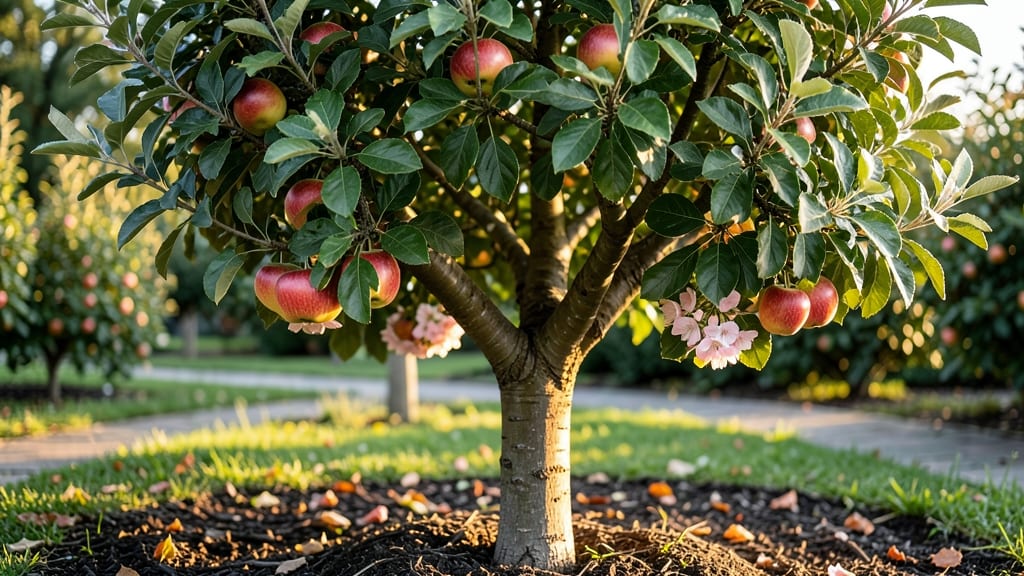
A Honeycrisp apple tree’s height can reach 15 to 25 feet if left unchecked, but with the right pruning, you can keep it manageable—even in small spaces.
If you love Honeycrisp apples but lack yard space, controlling your tree’s height is the secret to enjoying both bountiful harvests and a tidy garden. The key? Pruning at the right time and choosing the right rootstock.
Standard varieties grow tall, but dwarf or semi-dwarf Honeycrisp trees stay under 12 feet, making them perfect for urban gardens or tight backyards. The difference comes down to rootstock—something I’ll explain in detail.
In this guide, I’ll cover how to prune for compact growth, when to trim for best results, and how height impacts fruit production. You’ll leave with a plan to keep your 🍎 tree happy—and your neighbors happy too.

How tall does a Honeycrisp apple tree grow naturally (and how to control it)
If you've ever dreamed of growing your own Honeycrisp apple trees but worried about their height requirements, you're not alone. These trees are famous for their sweet-tart flavor, but their natural growth can reach 12 to 16 feet at maturity—enough to tower over most backyards.
The good news? With the right rootstock and pruning strategies, you can keep your tree compact without sacrificing fruit production.
Understanding your Honeycrisp apple tree's growth habits starts with the rootstock you choose. Standard trees grow the tallest, while dwarf varieties stay under 8 feet. Even a semi-dwarf option can cut height by nearly half.
Let’s break down how these factors influence your tree’s size and how to manage it effectively for your space.
| Rootstock Type | Mature Height (ft) | Space Needed | Best For |
|---|---|---|---|
| Standard (Seedling) | 18-25 ft | Large yards, orchards | Traditional growers |
| Semi-Dwarf (M.9/M.26) | 12-16 ft | Medium yards, patios | Balanced height/fruit |
| Dwarf (B.9/B.11) | 6-8 ft | Containers, small spaces | Urban gardens |
The rootstock you choose determines not just height but also fruit production and lifespan. For example, B.9 rootstock produces dwarf trees that mature in 3-5 years, while standard trees can take 8-10 years to bear fruit.
If you're working with limited space, dwarf varieties are your best bet—they fit in containers and still yield high-quality Honeycrisp apples.
Pruning plays a crucial role in controlling your tree’s height. Winter pruning (dormant season) is ideal for shaping young trees, while summer pruning helps manage growth spurts. Aim to prune 20-30% of the canopy annually to encourage airflow and fruit production. Always use sterilized tools to prevent disease spread.
Timing is everything when it comes to pruning. For Honeycrisp apple trees, late winter (just before buds swell) is the best time to prune. This gives the tree time to heal before the growing season begins.
If you must prune in summer, do so after harvest to avoid stressing the tree during fruiting.
Even with dwarf rootstock, your Honeycrisp apple tree will need regular maintenance. Remove suckers (shoots growing from the base) and water sprouts (vertical shoots) to maintain a compact shape. These unwanted growths can divert energy from fruit production and make your tree look unkempt.
For container growing, choose a 5-gallon pot or larger and upgrade as the tree grows. Ensure your container has drainage holes to prevent root rot. Place your potted tree in a sunny spot and water deeply 2-3 times per week during the growing season.
One common misconception is that pruning reduces fruit yield. In reality, proper pruning increases fruit quality by improving sunlight exposure and airflow. A well-pruned Honeycrisp apple tree will produce larger, sweeter apples with fewer pests and diseases.
If you're planting multiple trees, space them 15-20 feet apart for standard varieties or 8-10 feet apart for dwarf trees. Proper spacing ensures each tree gets enough sunlight and air circulation, which is critical for healthy growth and fruit development.
Remember, patience is key. A Honeycrisp apple tree, even a dwarf variety, takes 3-5 years to bear fruit. During this time, focus on establishing a strong root system and training the tree’s structure. With consistent care, you’ll enjoy juicy, crisp apples for decades to come.
Best pruning techniques to keep Honeycrisp trees compact without sacrificing fruit
Pruning your Honeycrisp apple tree is the key to keeping it compact and productive. Without proper pruning, these trees can grow 15-25 feet tall, overwhelming small gardens. The right techniques encourage airflow, sunlight penetration, and fruit production while maintaining your desired height.
Start by choosing between central leader (single trunk) or open-center (multiple branches) shapes—both work well for Honeycrisp varieties.
Timing matters just as much as technique. Winter pruning (dormant season) is ideal for shaping, while summer pruning helps control height by removing vigorous growth. Use sharp, clean tools like bypass pruners or a pruning saw for thicker branches.
Always sterilize tools with rubbing alcohol to prevent disease spread. Begin pruning when your tree is 2-3 years old to establish a strong structure early.
⚠️ callout warning ⚠️
Over-pruning in one season can stress your tree and reduce fruit yield. Never remove more than 25% of the canopy in a single year. Also, avoid topping (cutting the main trunk flat)—this creates weak, stubby growth and invites disease. For Honeycrisp trees, prioritize selective branch removal over drastic cuts to maintain both height and productivity.
🌱 Pro Tip: Mark your cuts with chalk before pruning to visualize the final shape.
For central leader pruning, focus on removing suckers and water sprouts (vertical shoots) to maintain a single dominant trunk. Keep lower branches thin to allow sunlight to reach the fruit-bearing wood. In contrast, open-center pruning creates a vase-like shape with 4-6 main scaffold branches.
This method works well for smaller spaces and encourages fruit production along multiple branches. Always prune back to a bud or lateral branch—never leave stubs.
Seasonal adjustments are crucial. During late winter (before buds swell), remove dead, diseased, or crossing branches first. In summer, target vigorous vertical growth to keep the tree from shooting up unexpectedly.
Thin out overcrowded fruit clusters to improve size and quality. Remember, Honeycrisp trees produce fruit on spurs and branches, so avoid heavy pruning of older wood.
Use the right tools to make clean cuts. For branches under ½ inch thick, bypass pruners work best. Thicker branches require a pruning saw with a fine-tooth blade. Always cut at a 45-degree angle just above a bud or lateral branch.
Seal larger cuts (>2 inches) with pruning sealant to prevent disease entry. Store your tools in a dry place and sharpen them annually for precision cuts.
Monitor your tree’s response after pruning. If you see excessive leaf drop or stunted growth, you may have pruned too aggressively. Adjust your approach in the next season by removing less foliage and focusing on structural balance.
With consistent pruning, your Honeycrisp tree will stay 6-8 feet tall (dwarf) or 10-12 feet tall (semi-dwarf) while delivering abundant, high-quality fruit year after year.