
Pruning
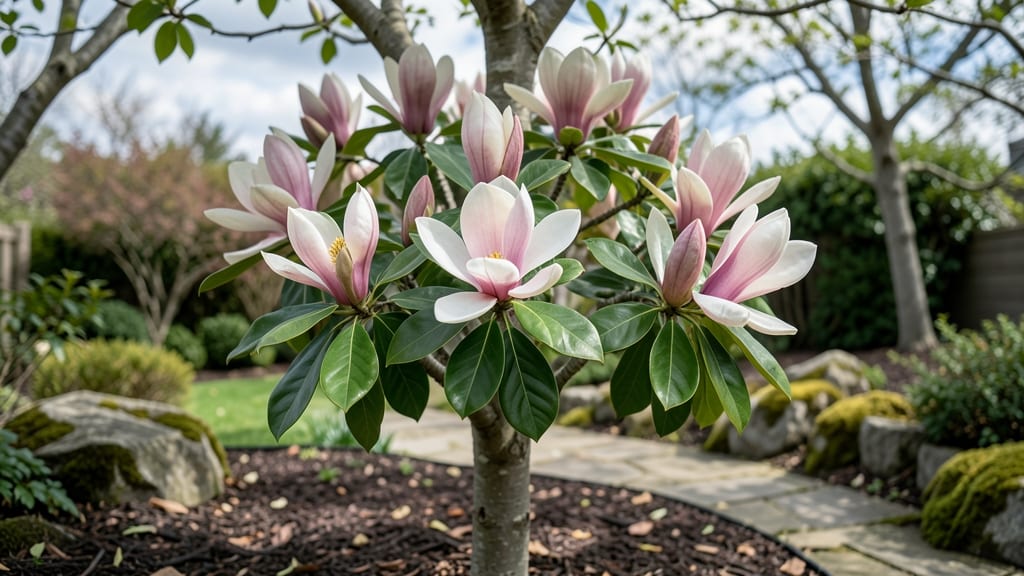
Pruning your Ann magnolia tree care transforms it from a wild shrub into a showstopping centerpiece—and the secret lies in timing and technique. 🌿 I’ve pruned mine every year since planting, and the difference in shape, bloom density, and overall health is night-and-day.
Most gardeners wait until spring, but the real magic happens in late winter, when the tree is dormant but about to burst into new growth.
The key is working with the tree’s natural structure: remove dead, crossing, or crowded branches first, then shape by thinning out 10-20% of the canopy for airflow. Ann magnolias bloom on old wood, so avoid heavy pruning after flowers appear—you’ll sacrifice next year’s fragrant blooms.
Grab your loppers, gloves, and a sharp pair of pruners, and we’ll get your tree looking like a landscape designer’s dream without sacrificing its health.
By summer, your pruned Ann magnolia will reward you with fuller foliage, stronger branches, and even more blooms than before. The tree’s glossy leaves will catch the light differently, and the structure will support its weight for decades.
Plus, you’ll spend less time wrestling with overgrown branches in future years—just 30 minutes of effort now saves hours of cleanup later.
This method works for young saplings and mature trees alike, though larger specimens may need a ladder. Whether you’re shaping a small patio tree or a towering backyard specimen, the same principles apply. Let’s make your Ann magnolia the star of your garden—without the guesswork.
📚 In This Guide
- What you need
- Instructions
- Tips and common mistakes
- Wrapping up and next steps
What you need
- ● Pruning shears: Bypass pruners (sharp, clean, and sterilized with rubbing alcohol or bleach). Size: 6-8 inches for small branches.
- ● Loppers: For thicker branches (½–1½ inches in diameter). Look for: Long handles (20–24 inches) for leverage.
- ● Pruning saw: For branches thicker than 1½ inches. Type: Bow saw or folding pruning saw with a fine-tooth blade.
- ● Gloves: Heavy-duty, cut-resistant gloves (e.g., leather or reinforced fabric) to protect hands from thorns and rough bark.
- ● Disinfectant: 70% isopropyl alcohol or a 10% bleach solution (1 part bleach to 9 parts water) to sterilize tools between cuts.
- ○ Pruning sealant (optional but helpful): Tree wound paint or pruning sealant to coat large cuts (over ½ inch in diameter). Brand tip: Look for water-based or latex-based sealants.
- ● Ladder or step stool: Sturdy and tall enough to reach the tree’s canopy safely. Height: Adjustable or extendable for flexibility.
- ● Safety gear: Safety glasses
- ● Long sleeves and pants (to avoid scratches from thorns)
- ● Closed-toe shoes or boots
- ● Extension pole pruners: For high branches without a ladder (e.g., 10–12 feet reach).
- ● Tree bagging material: Soft cloth or burlap to protect nearby plants from falling debris.
- ● Marking spray: Non-toxic paint or chalk to mark branches for removal (great for planning!).
- ● Compost bin or bag: To collect pruned branches for mulch or disposal.
- ● First-aid kit: Just in case of minor scratches or thorn pricks!
- ● Know your tree: Confirm it’s an Ann Magnolia (Magnolia × soulangeana)—its thorns and glossy leaves are key identifiers!
- ● Timing: Prune in late winter or early spring (before buds swell) for best results.
- ● Weather check: Choose a dry, calm day to avoid spreading disease or making cuts in wet wood.
- ● Plan your cuts: Sketch a rough outline of how you want the tree to look post-pruning.
Step-by-Step pruning guide for Ann magnolia trees
Here's how to keep your Ann magnolia thriving with precise, seasonal pruning techniques.
✂️ Step 1: Time Your Pruning for Optimal Growth
Prune your Ann magnolia immediately after flowering in late spring—this ensures you remove spent blooms while preserving next year's flower buds. Never prune during dormancy (winter) or when buds are just forming (early spring), as this risks removing next season's flowers entirely. The tree's natural response to late-spring pruning is vigorous new growth, which strengthens its structure for summer.
I like to schedule my pruning for mid-to-late May in most climates, when the last frost has passed and the tree has finished blooming. You'll know it's the right time when you see 50% of the flowers have dropped naturally. This timing also avoids attracting pests that might be drawn to fresh cuts during warmer months.
✂️ Step 2: Remove Dead, Diseased, or Crossing Branches
Start by inspecting the tree for dead wood—branches that snap easily, have no bark, or appear grayish-brown. Use clean, sharp pruning shears to make clean cuts at the branch collar (the swollen area where the branch meets the trunk). Avoid leaving stubs, as they invite disease. For larger branches, use a pruning saw to cut just outside the branch collar at a slight angle.
Next, remove any branches that are crossing or rubbing against each other. These create wounds that weaken the tree and invite infections. Look for branches growing inward or at sharp angles—these are prime candidates for removal. I always step back every few minutes to visualize the tree's natural shape; this helps me decide which cuts will improve airflow and sunlight penetration.
✂️ Step 3: Thin Out for Better Airflow and Light
Ann magnolias benefit from selective thinning to reduce crowding. Aim to remove no more than 25% of the tree's foliage in a single session to avoid stressing it. Focus on branches that are too close together or growing straight upward (called "water sprouts"). These compete for resources and weaken the tree's structure. Cut these back to a lateral branch or bud, making sure your cut is just above an outward-facing bud.
You'll see the difference immediately—thinned branches allow sunlight to reach the inner canopy, encouraging healthier foliage and more abundant blooms. I mark my cuts with a piece of tape before making them; this helps me visualize the final shape and ensures I don't over-prune. Avoid heavy pruning in one season, as Ann magnolias are sensitive to drastic changes.
✂️ Step 4: Shape the Tree Gradually Over Time
For a naturally balanced shape, prune to open the center of the tree while maintaining its natural form. Ann magnolias have a beautiful, rounded silhouette, so I avoid heavy structural pruning. Instead, I focus on refining the outline by trimming back branches that grow too long or disrupt the tree's symmetry. Use hand pruners for smaller branches and a pruning saw for anything thicker than 1 inch in diameter.
If you notice overly dense areas, thin them out by removing branches from the inside outward. This creates a more open canopy that reduces the risk of fungal diseases. I like to prune in stages—lightly shaping the tree in late spring and doing minor touch-ups in early summer if needed. Never remove more than 10% of the tree's foliage in a single session, as this can shock the tree and reduce flowering.
⏰ Step 5: Clean Up and Monitor for Recovery
After pruning, sterilize your tools with rubbing alcohol to prevent spreading disease between cuts. Remove all fallen branches and debris from the base of the tree, as these can harbor pests or fungi. Water the tree deeply within 24 hours of pruning to help it recover, especially if you've made large cuts. You'll see new growth emerging from the pruned areas within 4-6 weeks, signaling the tree is healing well.
Monitor the tree for signs of stress, such as yellowing leaves or excessive leaf drop. If you notice these, reduce watering slightly and avoid fertilizing until the tree shows signs of recovery. Ann magnolias are generally resilient, but they do best when pruned consistently and lightly rather than aggressively. Over time, you'll develop a sense of how much the tree can handle—trust your observations more than rigid rules.
Tips & tricks for pruning Ann magnolia trees
These targeted strategies will help you maintain your Ann magnolia's health while preserving its stunning blooms and natural form.
Timing is Everything: The late-spring timing in Step 1 is non-negotiable for Ann magnolias. I've seen firsthand how pruning too early can remove flower buds before they open, while waiting too long risks attracting pests to fresh cuts. Aim for that sweet spot when 50% of flowers have naturally dropped—this usually falls between mid-May and early June in most climates. If you're unsure, check for those telltale brown petals on the ground as your cue.
Branch Collar Precision: When making cuts in Step 2, focus on the branch collar—the swollen area where the branch meets the trunk. This is where the tree's natural healing begins. I've made the mistake of cutting too close to the trunk, which creates larger wounds that take much longer to heal. For branches thicker than 1 inch, use a pruning saw to make clean cuts just outside this collar at a slight angle—this prevents water from pooling and reduces disease risk.
Visualization Technique: Before making any cuts in Steps 3 and 4, step back and visualize the tree's natural shape. I use a simple trick: mark potential cuts with tape first. This gives me time to see how the tree will look after pruning without making irreversible mistakes. Ann magnolias have a beautiful rounded silhouette—preserve this by removing branches that grow inward or disrupt this natural form. Remember, you're sculpting, not hacking.
Recovery Support: The 24-hour watering guideline in Step 5 is crucial, especially after larger pruning sessions. I've found that deep watering helps the tree recover by replenishing moisture lost through the fresh cuts. For trees with significant pruning, consider adding a 2-3 inch layer of mulch around the base (but keep it 6 inches away from the trunk) to retain moisture and reduce stress. Monitor for new growth in 4-6 weeks—this is your sign the tree is healing properly.
Pro Tips for Ann Magnolia Tree Care
- These targeted strategies will help you maintain your Ann magnolia's health while preserving its stunning blooms and natural form.
- Timing is Everything: The late-spring timing in Step 1 is non-negotiable for Ann magnolias.
- Branch Collar Precision: When making cuts in Step 2, focus on the branch collar—the swollen area where the branch meets the trunk.
Frequently asked questions
Got questions about keeping your Ann Magnolia thriving?
Here are answers to the most common ones—so you can prune with confidence and enjoy that stunning blooms year after year!
When is the best time to prune my Ann Magnolia?
The ideal time is late winter to early spring (February–March), just before new growth starts. This promotes healthy blooms for the next season. Avoid pruning in fall—it can stimulate tender growth that may be damaged by frost. For light shaping, you can prune lightly after flowering, but keep it minimal to avoid cutting off next year’s buds!
How much can I prune my Ann Magnolia without harming it?
Never remove more than 25% of the tree’s branches at once. Ann Magnolias are sensitive to heavy pruning, so focus on thinning out crowded branches and removing dead or crossing wood. For mature trees, limit pruning to 10–15% annually to maintain health and shape. Think of it like a haircut—small adjustments keep it looking sharp!
Why are my Ann Magnolia leaves turning yellow or dropping?
Yellowing or dropping leaves can signal overwatering, underwatering, or fungal issues. Check the soil—it should be moist but well-draining. If leaves are crispy, you’re underwatering; if they’re mushy, you’re overdoing it. Powdery mildew (white fuzzy spots) or anthracnose (brown spots) may also be culprits. Prune affected branches, improve airflow, and apply neem oil if needed.
Can I prune my Ann Magnolia in summer?
Summer pruning is not recommended for Ann Magnolias because it can stress the tree and reduce next year’s flower production. However, if you must address safety hazards (like dead branches), do it early morning on a cool day to minimize shock. Always sterilize your tools with rubbing alcohol to prevent disease spread.
What if my Ann Magnolia isn’t blooming?
Lack of blooms often stems from over-pruning, poor nutrition, or improper timing. Ensure you’re not cutting back too late in spring (after buds form). Feed with acidic, slow-release fertilizer in early spring, and mulch around the base to retain moisture. If the tree is young (<5 years), patience is key—it may take time to establish itself!
Are there alternatives to Ann Magnolia for low-maintenance pruning?
If you’re looking for easy-care alternatives, consider:
- Saucer Magnolia (Magnolia × soulangeana) – Blooms earlier, slightly more forgiving.
- Crabapple (Malus spp.) – Thrives with minimal pruning and offers year-round interest.
- Japanese Maple (Acer palmatum) – Loved for its foliage and delicate structure.
Wrapping up and next steps
Caring for your Ann Magnolia tree is a rewarding journey that ensures year-round beauty and vitality! 🌿 With the right pruning techniques—like timing, tool selection, and proper cuts—you’ll promote healthy growth, stunning blooms, and a well-shaped canopy. Remember, patience and consistency are key!
Now that you’re armed with expert tips, take action: Grab your pruners, schedule a pruning session, and give your magnolia the love it deserves. Watch it thrive and become the star of your landscape! 🌸