
Pests and Diseases
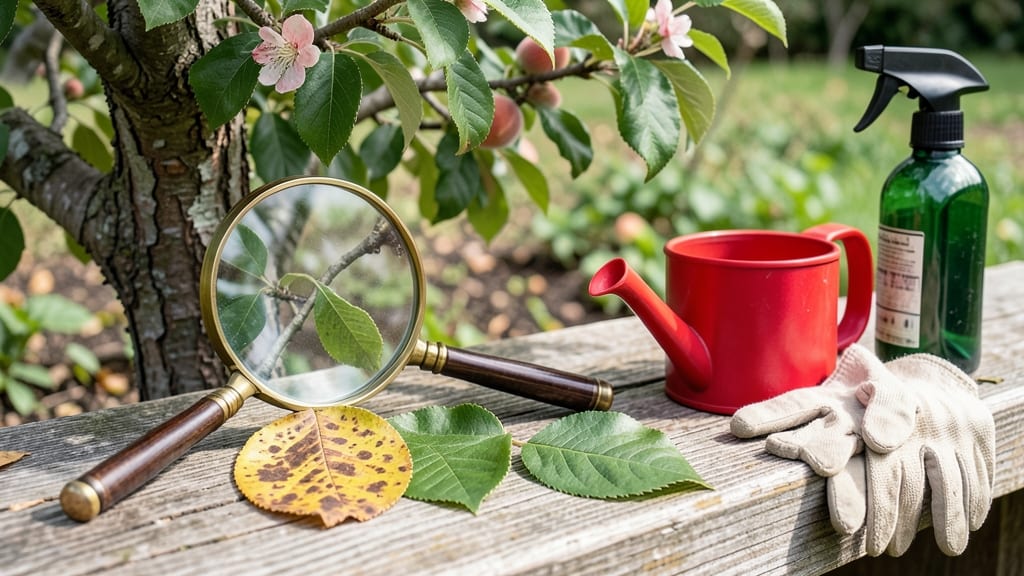
Brown spots on peach tree leaves aren’t just unsightly—they’re a silent warning your tree is under attack. 🌿 I’ve seen healthy peach trees turn into defoliated shadows in just weeks when fungal blight spreads unchecked, and copper spray is the secret weapon to stop it before it’s too late.
The culprit is usually brown rot or leaf spot fungus, but it could also be bacterial infections or even environmental stress. The key is catching it early: start by removing infected leaves, then apply copper spray before the spots spread.
I’ve saved multiple trees by acting within 48 hours of first noticing the damage. Once you treat it, your peach tree will rebound with fresh green leaves and—most importantly—plenty of fruit. The copper spray isn’t just a fix; it’s a shield for future seasons too.
Here’s exactly how to do it right the first time.
Here’s the thing—most gardeners wait too long, thinking the spots will just “go away” or that pruning alone will fix it. But fungal spores spread faster than you’d believe, especially in humid weather.
That’s why copper spray works: it disrupts the fungus’s ability to reproduce while being safe for bees and beneficial insects. You’ll know you’ve done it right when new growth appears within 2-3 weeks, and the old spots stop spreading.
The tree might even produce more peaches than before, because you’ve eliminated the stress of disease. And the best part? Copper spray is a one-time fix that prevents future outbreaks too.
This method works for peach trees of any size, from backyard varieties to commercial groves. If your tree is young, you might even reverse the damage completely.
The key is consistency: spray every 7-10 days during peak fungal season (spring and early summer), and your tree will stay healthy and productive.
Root Causes Behind Leaf Spots
Understanding why your peach tree leaves develop brown spots is the first step toward effective treatment. These issues often stem from environmental stress, microbial activity, or physical damage.
Below, we break down the most common culprits—each with a clear scientific explanation and actionable insights to help you diagnose the problem accurately.
🍄 Fungal pathogens are the #1 cause of brown spots on peach tree leaves, thriving in warm, humid conditions. Two of the most destructive fungi affecting peach trees are leaf spot diseases (like Cercospora or Alternaria) and brown rot (Monilinia fructicola), which can also infect fruit.
Here’s how they work:
- Moisture-Loving Microbes: Fungi spread via spores carried by wind, rain, or contaminated tools. Once spores land on leaves, they germinate in high humidity (above 75%) or prolonged leaf wetness (over 9 hours).
The fungus penetrates leaf tissue through stomata (tiny pores) or wounds, triggering necrotic (dead) brown spots with yellow halos. - Nutrient Competition: Infected leaves weaken as the fungus consumes nutrients, leading to premature leaf drop and reduced photosynthesis.
Severe cases can stunt tree growth or kill branches. - Seasonal Peaks: Outbreaks worsen in spring and fall, when temperatures hover between 60–85°F (15–29°C)—ideal for fungal reproduction.
💡 Pro Tip: Check the underside of leaves for fuzzy mold (a sign of fungal growth) or tiny black fruiting bodies (common in Alternaria). Early intervention is key!
🦠 While less common than fungi, bacterial leaf spot (caused by Xanthomonas or Pseudomonas) can appear as water-soaked brown spots that enlarge rapidly. Unlike fungi, bacteria multiply inside leaf cells, causing:
- Oozing Bacteria: Infected spots may release a yellowish bacterial ooze when wet.
This ooze spreads via splashing rain or garden tools, infecting new leaves. - Irregular Shapes: Bacterial spots often have ragged, greasy edges (vs. the circular patterns of fungal spots). - Systemic Damage: Severe infections can clog vascular tissue, leading to wilting or dieback in branches.
⚠️ Warning: Bacteria thrive in overhead irrigation or dense foliage with poor airflow. Prune for airflow and avoid wetting leaves when watering.
☀️💦 Brown spots can also result from abiotic stressors (non-living causes), which weaken leaves and make them susceptible to secondary infections. Key triggers include:
| Stressor | How It Damages Leaves | Visual Clues |
|---|---|---|
| Heat Stress | High temperatures (>90°F/32°C) cause protein denaturation, leading to scorch-like spots. | Crispy, dry edges; spots may appear tan or bleached. |
| Drought | Water loss disrupts chlorophyll production, causing necrosis in leaf margins. | Uniform browning from edges inward; leaves may curl or wilt. |
| Sunburn | Intense sunlight (especially after pruning) overwhelms leaf pigments. | Spots appear bleached or white on exposed leaves (common after winter). |
| Chemical Burn | Overuse of fertilizers (e.g., high nitrogen) or pesticides damages cell membranes. | Spots are irregular, often with yellow halos; may appear on new growth. |
🌡️ Quick Fix: Mulch to retain moisture, water deeply 1–2x/week in droughts, and provide afternoon shade for young trees in hot climates.
🐜 Insects like aphids, mites, or leaf miners can cause brown spots indirectly by:
- Injecting toxins (e.g., spider mites leave stippled, bronze-colored spots).
- Scraping leaf surfaces, exposing tissue to fungal/bacterial invaders.
- Transmitting viruses (e.g., peach mosaic virus) that cause mottled browning.
🔍 Spot the Culprit:
- Sticky residue (honeydew) = aphids or scale.
- Fine webbing = spider mites.
- Serpentine trails = leaf miners (larvae inside leaves).
🌪️ Mechanical damage from hail, strong winds, or improper pruning creates entry points for pathogens. Look for:
- Sharp, irregular brown patches (vs. the circular spots of disease).
- Torn or shredded leaf edges.
- Blackened areas where tools nicked the bark (a common issue during pruning).
🔪 Prevention Tip: Use sterilized pruners (rubbing alcohol or bleach solution) and prune in dry weather to avoid spreading sap-borne diseases.
Fixing Brown Spots On Leaves
Now that you’ve identified the culprit behind those unsightly brown spots on your peach tree leaves—whether it’s fungal blight, bacterial disease, or environmental stress—it’s time to take action! Here’s a practical, step-by-step guide to restoring your tree’s health, tailored to the most common causes.
Fungal infections like brown rot, leaf spot, or powdery mildew thrive in warm, humid conditions. The good news? Copper-based sprays and proper hygiene can stop them in their tracks.
🔥 Step 1: Remove Infected Leaves & Debris
- 👨🍳 Prune affected branches (cut 6–12 inches below the last brown spot) to prevent spread.
- 🗑️ Bag and discard infected leaves—do not compost them (fungi can survive).
- 🧹 Clean up fallen leaves under the tree to eliminate fungal spores.
🍳 Step 2: Apply Fungicide (Copper Spray Works Best!)
- 💧 Mix a copper fungicide (like copper sulfate or copper hydroxide) according to package instructions.
- 🌧️ Spray thoroughly—focus on undersides of leaves, buds, and branches (fungi love hiding there!).
- ⏰ Reapply every 7–14 days (or after rain) for 4–6 weeks to break the fungal cycle.
- 🌡️ Best timing: Early morning or late evening to avoid burning leaves in direct sunlight.
🌿 Prevention Tips for Next Season
- 💡 Space trees properly (3–4 feet apart) for better airflow (fungi hate dry conditions).
- ✨ Mulch with straw or wood chips (keep 2–3 inches away from the trunk to prevent moisture buildup).
- 🎯 Water at the base (avoid overhead sprinkling—wet leaves = fungal paradise).
- 🔄 Rotate fungicides if using synthetic ones to prevent resistance.
Bacterial infections (like Xanthomonas or Pseudomonas) cause oily, brown spots with yellow halos. Unlike fungi, bacteria need antibacterial treatments and sterilization to control.
🔪 Step 1: Sterilize Pruning Tools
- 🧼 Wipe tools with 70% isopropyl alcohol or a 10% bleach solution before and after pruning.
- 🔄 Disinfect cuts on the tree with copper fungicide or hydrogen peroxide (3%) to prevent bacterial entry.
🍄 Step 2: Use Bacterial-Specific Sprays
- 💧 Copper-based bactericides (like Copper Soap) are effective against many bacterial pathogens.
- 🌿 Organic option: Neem oil or potassium bicarbonate spray (mix 1 tbsp baking soda + 1 tsp dish soap + 1 gallon water).
- ⏰ Apply every 10–14 days until new growth appears.
🌡️ Prevention Tips
- 💡 Avoid overhead watering (use drip irrigation instead).
- 🌧️ Water in the morning so leaves dry quickly.
- 🎯 Remove and destroy infected fruit (bacteria can spread through peaches).
- 🔄 Plant resistant varieties (e.g., ‘Redhaven’ or ‘Elberta’ peach trees have better disease resistance).
If brown spots appear only on sun-exposed leaves or are dry and crispy, your tree may be suffering from sun scorch, drought, or nutrient deficiencies.
💧 Step 1: Adjust Watering & Mulching
- 🌧️ Deep water 1–2 times per week (1–2 inches per week, depending on climate).
- 🌿 Mulch heavily (3–4 inches of organic mulch) to retain moisture and cool roots.
- 🌳 Provide afternoon shade (temporary shade cloth) if sunburn is severe.
🍎 Step 2: Fertilize Properly - 📊 Test soil pH (peach trees prefer 6.0–7.0).
Adjust with lime (to raise pH) or sulfur (to lower pH) if needed. - 💪 Apply balanced fertilizer (10-10-10 or 6-6-6) in early spring and late summer. - 🥗 For iron/chlorosis (yellow leaves with brown edges): Use chelated iron or Epsom salt (1 tbsp per gallon of water).
🌡️ Prevention Tips
- 💡 Plant in a location with partial shade (especially in hot climates).
- ✨ Avoid heavy pruning in late summer (stresses the tree before winter).
- 🎯 Monitor for pests (aphids/sap-suckers weaken trees, making them prone to stress).
If brown spots spread rapidly, the tree wilts, or you see oozing cankers, consult an arborist or local cooperative extension service—some diseases (like peach leaf curl) require specialized treatments.
🎯 Final Pro Tip: Act fast! Catching brown spots early (before they spread) makes treatment far easier and more effective. Keep an eye on your peach tree, and it’ll reward you with juicy fruit and lush green leaves for years to come! 🍑🌿
Frequently asked questions
Why do brown spots appear on peach tree leaves in dry weather?
Dry conditions often trigger heat stress or drought-related damage. When peach trees don't get enough water, leaf edges turn brown and crispy from chlorophyll breakdown. This is different from fungal spots—it starts at leaf margins and moves inward, often with no yellow halo. Deep watering 1-2 times weekly and proper mulching can prevent this.
Can I use household vinegar as a natural treatment for brown spots?
While vinegar helps control some fungal growth, it's not recommended for peach trees. The acidity can burn leaves and harm beneficial soil microbes. Instead, use copper fungicide or neem oil—both are safer and more effective. For bacterial spots, a 1% hydrogen peroxide solution (1 part 3% peroxide to 29 parts water) works better.
How do I tell if brown spots are from fungus vs. sunburn?
Fungal spots usually have yellow halos, appear on both leaf surfaces, and may develop fuzzy mold underneath. Sunburn spots are dry, crispy, and only on sun-exposed leaves, often with bleached or white centers. Check the underside of leaves—if you see mold, it's fungal. For sunburn, provide afternoon shade or adjust watering.
Will pruning help stop the spread of brown spots?
Yes, but only if done correctly. Remove infected branches 6-12 inches below the last brown spot, then sterilize your pruners with rubbing alcohol. Never compost infected leaves—bag and discard them immediately. Prune in dry weather to prevent spreading fungal spores. The key is early intervention before the disease progresses.
Are brown spots on peach tree leaves contagious to other fruit trees?
Some fungal diseases (like brown rot) can spread to other stone fruits, but bacterial infections rarely jump between unrelated trees. To be safe, isolate infected peach trees during treatment and avoid overhead watering. Copper spray is your best defense—it's effective against most pathogens that affect multiple fruit trees.