
Lawn
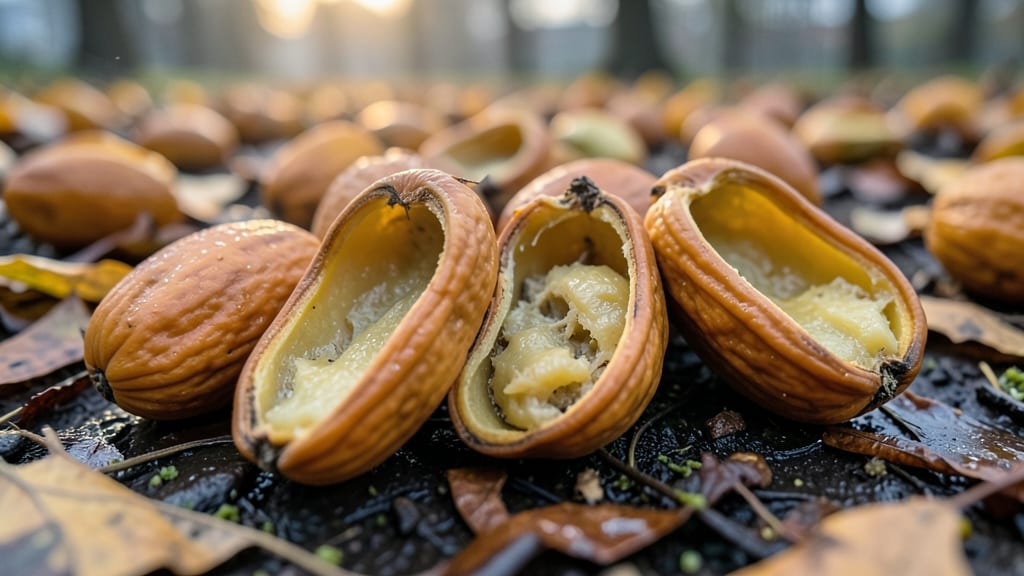
Struggling to identify those mysterious seed pods littering your yard? These 10 distinctive tree seed pods are key to recognizing 15 common backyard trees—no botany degree required.
Maple Helicoid Seed Pods
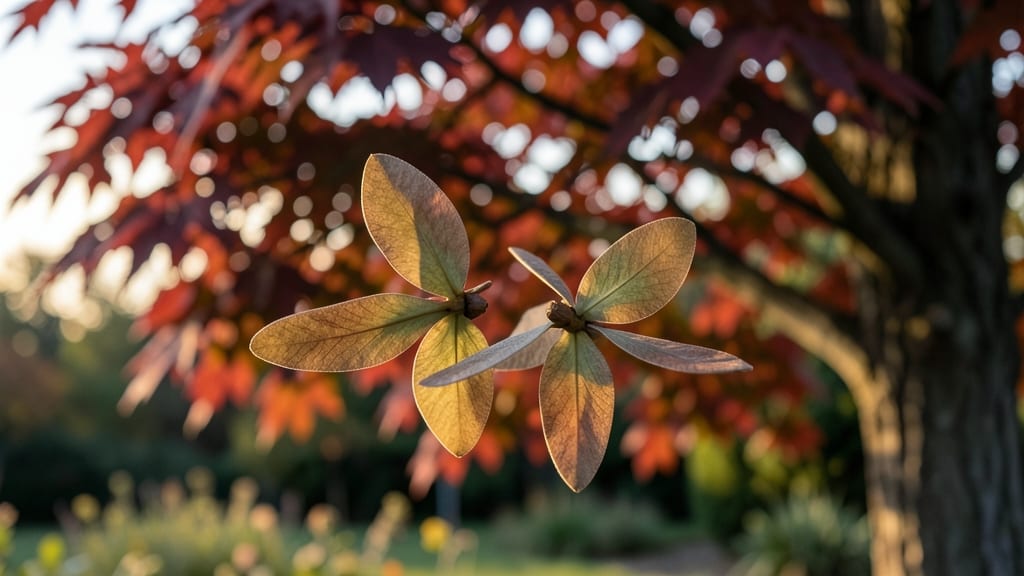
Those whirling, helicopter-like maple samaras aren’t just autumn decorations—they’re nature’s most recognizable seed pods, perfect for sparking curiosity in young explorers. Their spiral shape isn’t just for show; it helps them glide efficiently in the wind, ensuring maple trees spread their seeds far and wide.
Look for these golden-brown pods in late summer and fall, especially under sugar maples or silver maples. They’re lightweight, often with translucent edges that catch the light. Collect a few to demonstrate how seeds travel—a fun way to teach kids about tree diversity and wind dispersal. These pods also make great natural decorations for craft projects or pressed flower collections.
Perfect for families or educators, maple samaras are the easiest seed pods to identify and discuss with kids. Their unique design makes them a gateway to learning about other tree species. 🌱
Oak Acorn Seed Pods
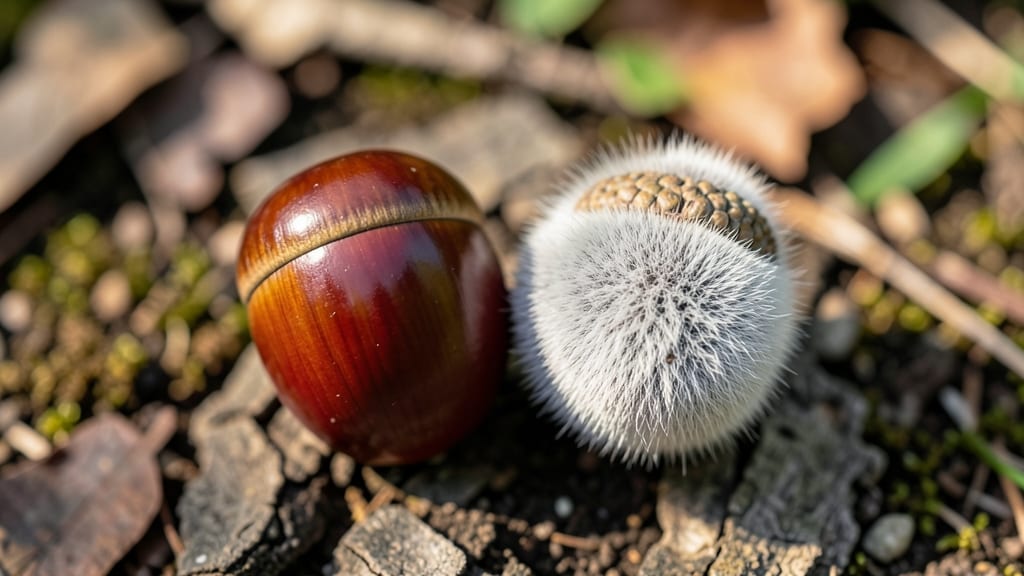
Ever wondered why some acorns have smooth caps while others look almost fuzzy? The cup-like cap of an acorn isn’t just for show—it’s your secret key to identifying red oak vs. white oak varieties. This simple yet powerful feature reveals the species at a glance, making oak seed pod identification one of the most rewarding (and easy) skills for backyard naturalists.
Red oak acorns have pointy, scaly caps that cling tightly to the nut, while white oak acorns feature smoother, rounded caps with a more polished look. Collect fresh acorns in late fall (October-November) when they’ve fallen but haven’t decomposed, and examine the cap’s texture under natural light. Pro tip: White oak acorns are slightly sweeter-tasting, though both contain tannins that make them bitter unless properly leached.
This skill is especially useful for urban gardeners and wildlife enthusiasts, as oaks are keystone species supporting hundreds of creatures. Plus, knowing your oaks helps you decide whether to plant them for shade, soil improvement, or wildlife habitat. 🌱
Birch Winged Seed Pods
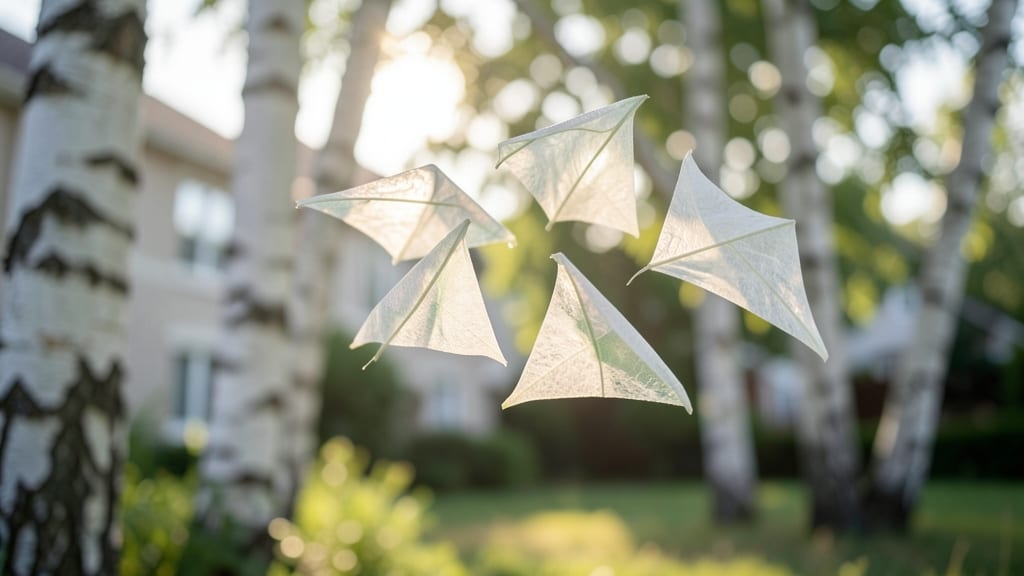
If you've ever spotted delicate triangular pods drifting lazily across your yard, you're likely looking at birch seed pods—nature's lightweight parachutes. These translucent wings catch the breeze, making them one of the most recognizable yet underappreciated seed pods in urban and suburban landscapes.
Birch seed pods, also called samaras, grow in clusters along the tree's branches and release their seeds in early spring. The pods are lightweight and papery, often turning a soft brown as they mature. Look for them fluttering near paper birch or yellow birch trees, which thrive in well-drained soil and partial shade. Unlike heavier pods, these flutter away easily, so collect them fresh for the best identification.
These pods are perfect for urban gardeners or anyone with limited space—they’re a sign of a hardy tree that adapts to city environments. Plus, their unique shape makes them a fun addition to nature journals or DIY seed pod collections. 🌿
Pinecone Seed Pods
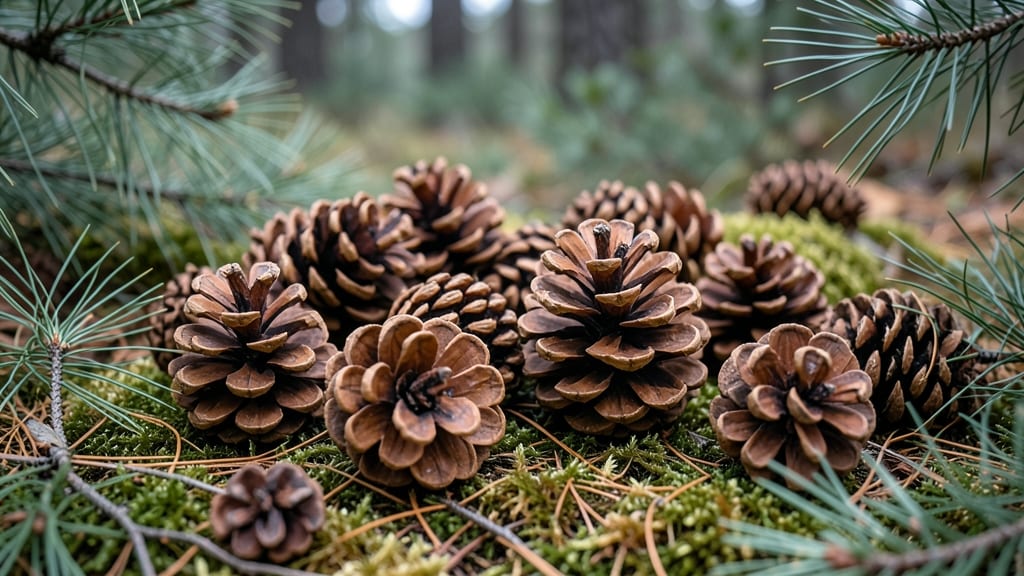
Evergreen trees like pines and firs produce some of the most recognizable seed pods—pinecones—that can instantly tell you which tree is in your yard. Unlike delicate samaras or acorns, these woody cones range from soft, flexible pine needles to rigid fir scales, offering a tactile way to identify evergreens.
The key to distinguishing them lies in their structure: pine cones have papery, overlapping scales that release seeds when dry, while fir cones stay closed with hard, woody scales. Pines like white pine have long, flexible needles, while firs like Douglas fir have stiff, flat needles. Collecting a few cones lets you study their unique textures and shapes up close.
This makes pinecones especially useful for beginner gardeners or those new to evergreen identification—just hold one to feel the difference between soft and hard scales. 🌿
Hickory Nut Seed Pods
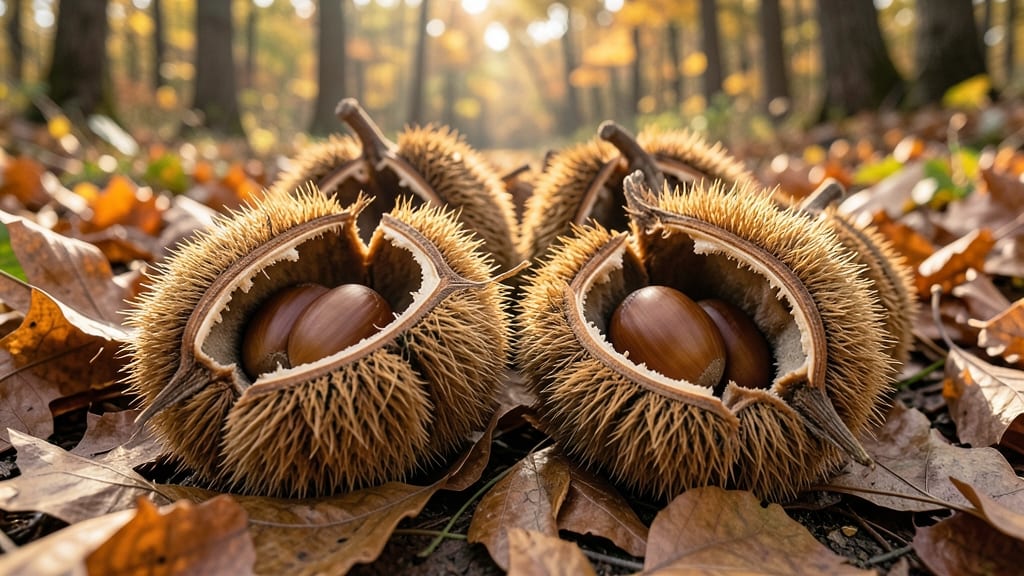
Fall’s most dramatic seed pods belong to hickory trees, where thick, shaggy husks split open to reveal large, edible nuts. Unlike the sleek samaras of maples or the delicate wings of birches, hickory pods have a rugged, almost furry texture that makes them stand out in autumn landscapes.
These pods typically measure 2-4 inches long and open into four distinct sections, each containing a single nut. The husks start green in summer but turn rich brown by fall, signaling it’s time to collect them for identification or propagation. Look for hickory trees in open woodlands or near streams, where their deep roots thrive in well-drained soil.
Gardeners in temperate climates will find these pods especially useful—they’re a clear sign of mature hickory trees, which also provide food for wildlife. Collect a few to compare with other nuts in your area! 🌻
Ash Samara Seed Pods
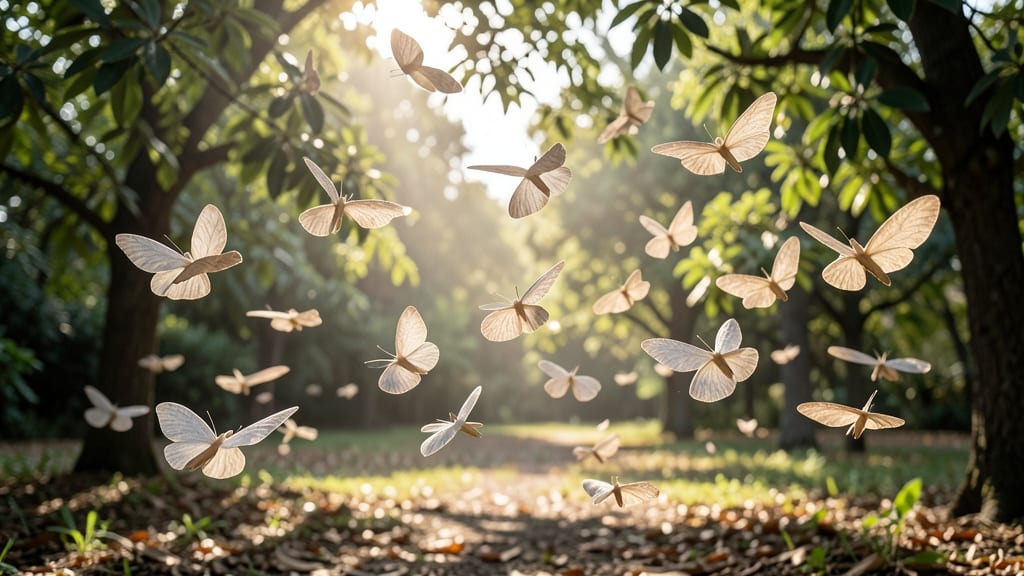
Spot those elongated, papery pods fluttering like tiny airplanes in your yard? Those are ash samaras—the signature seed pods of ash trees. Unlike the spiral maple samaras or woody pinecones, ash samaras have a unique, airplane-like shape with two elongated wings that help them glide effortlessly on the breeze.
These delicate pods form in clusters and mature from green to light brown between late spring and early summer. Ash trees are common in urban and suburban areas, and their samaras can help you distinguish them from other hardwoods like elms or maples. Look for them scattered on sidewalks or lawns—just don’t confuse them with elm samaras, which are flatter and more triangular.
If you’re a gardener or nature enthusiast, collecting ash samaras can help you identify ash trees in your area, especially if you’re planning to plant native species. Plus, their whimsical shape makes them a fun addition to seasonal nature collections. 🌟
Beech Nut Seed Pods
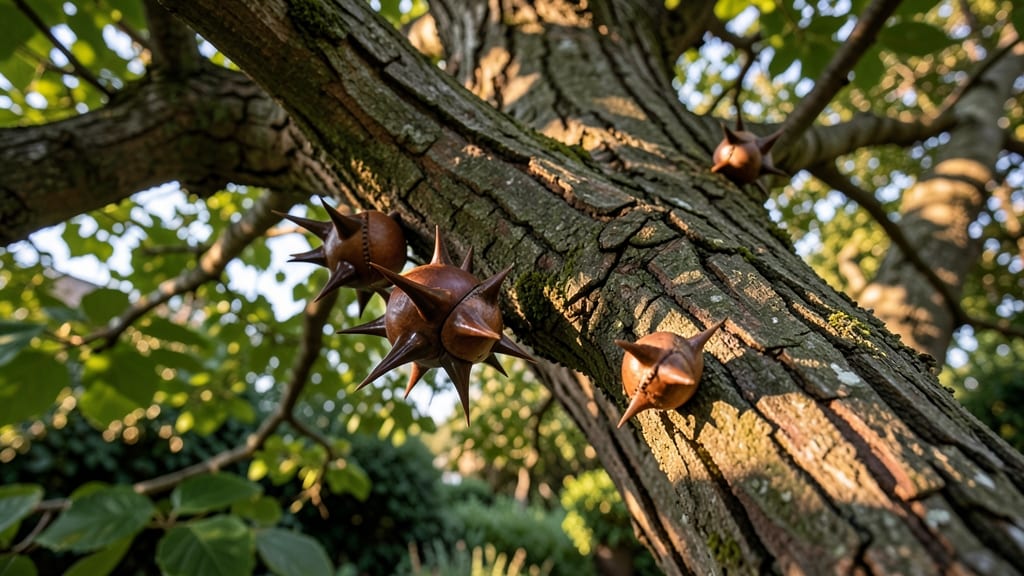
Those sharp, four-pointed husks clinging to branches like tiny armor are the unmistakable beech nut seed pods. Unlike other seed pods that flutter or roll away, these spiky structures cling tightly to beech trees through late summer and fall, making them easy to spot in your backyard.
Beech nut pods are glossy brown with four rigid points that protect the single nut inside. They typically measure about 1-2 inches long and remain attached to the tree until winter. These pods are a great indicator of American beech trees (Fagus grandifolia), which thrive in hardiness zones 3-9 and provide year-round interest with their smooth, silvery bark.
For gardeners in temperate climates, recognizing beech nut pods helps identify mature trees that offer shade and wildlife benefits. Their persistent presence makes them a reliable marker for beech trees during seasonal changes. 🌟
Elm Seed Pods
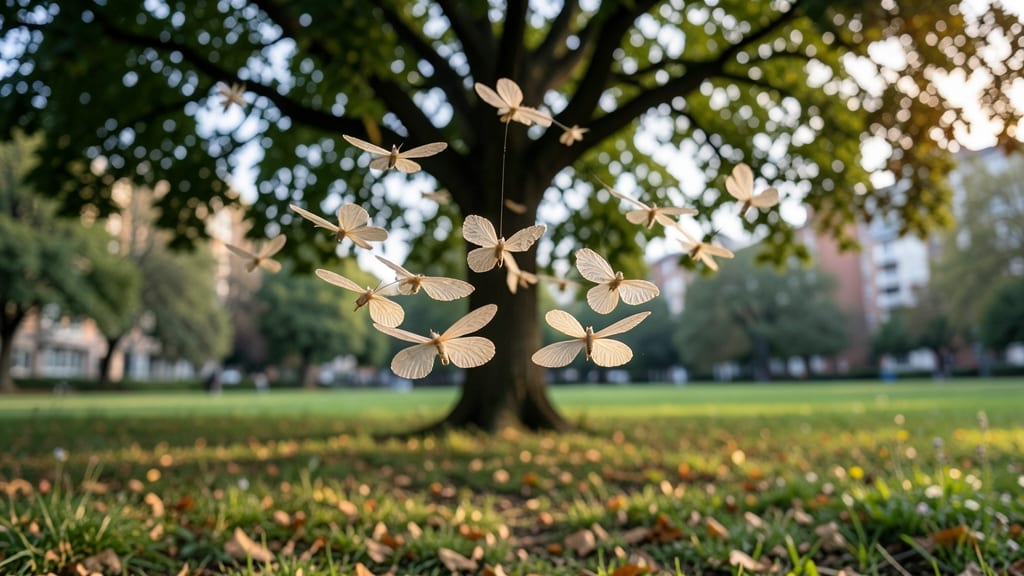
If you’ve ever spotted flat, papery pods fluttering to the ground like tiny helicopters, you’re likely looking at elm seed pods—a dead giveaway for identifying these iconic urban trees. Their distinctive single-seed design and delicate wings make them stand out among other seed pods, especially in city landscapes where elms thrive.
These samaras (winged seed pods) measure about 1-2 inches long and develop in clusters along the tree’s branches. Unlike maple pods, which have two seeds, elm pods contain just one, with a long, slender wing that helps them spin as they fall. Look for them in late spring to early summer, when they’re freshest and easiest to spot against green foliage. Urban gardeners and city dwellers will find these pods especially helpful for identifying American elm or slippery elm trees.
Elm seed pods are a great way to spot these trees in parks and city streets—just watch them spin to the ground! 🌿
Walnut Seed Pods
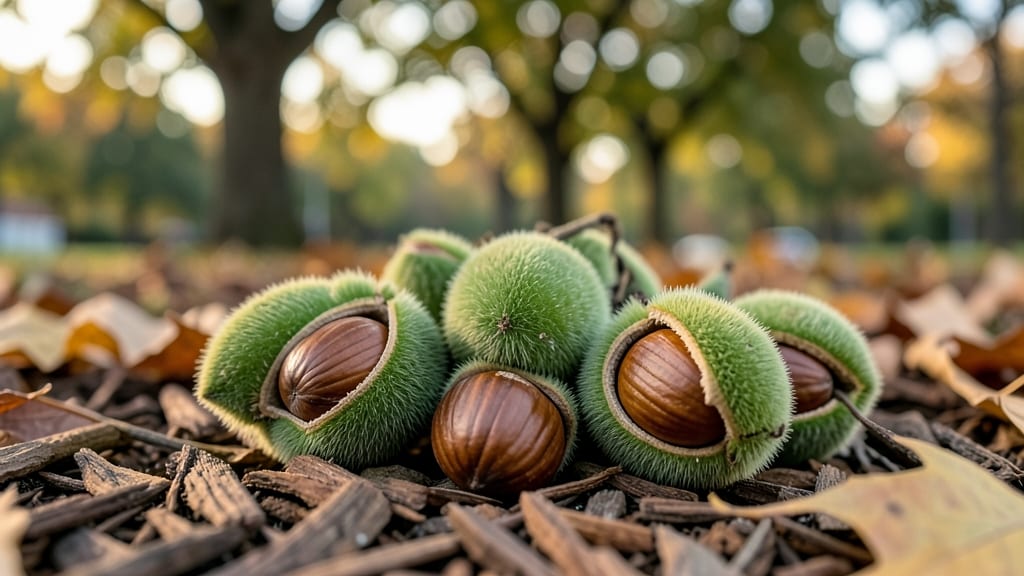
Those green, fuzzy husks splitting open in your yard? Those are walnut seed pods—and they’re your secret to spotting walnut trees before the leaves even fall. Unlike smooth acorns or delicate samaras, walnut pods have a distinctive velvety texture and a hard, ridged nut inside that’s impossible to mistake.
Look for these pods in late summer when they start turning brown and cracking open. The hard-shelled nuts inside are a dead giveaway—walnut trees produce them in clusters along branches. These pods are also a gardener’s goldmine: the nuts can be planted for future trees, while the husks add rustic texture to fall gardens. Just be warned—walnut trees release juglone, a chemical that can inhibit nearby plants.
Perfect for gardeners who want to identify shade trees or propagate new specimens, these pods are a must-know for anyone with walnut trees in their landscape. 🌿
Ginkgo Seed Pods

If you’ve ever spotted strange, foul-smelling orange pods under a tree in late fall, you’re likely looking at ginkgo seed pods—the only ones of their kind in nature. These distinctive, fleshy pods are unmistakable in urban landscapes, where Ginkgo biloba trees thrive as living fossils.
The pods release a strong, unpleasant odor when crushed, which helps deter animals from eating them. Each pod contains a single, hard-shelled seed that can be planted to grow a new tree, though it requires patience—ginkgo trees can take decades to mature. These trees are also drought-tolerant and adaptable to city pollution, making them a favorite for urban planting.
Gardeners and city dwellers will appreciate how these pods serve as a natural identifier for one of the world’s oldest tree species. 💚