
How To
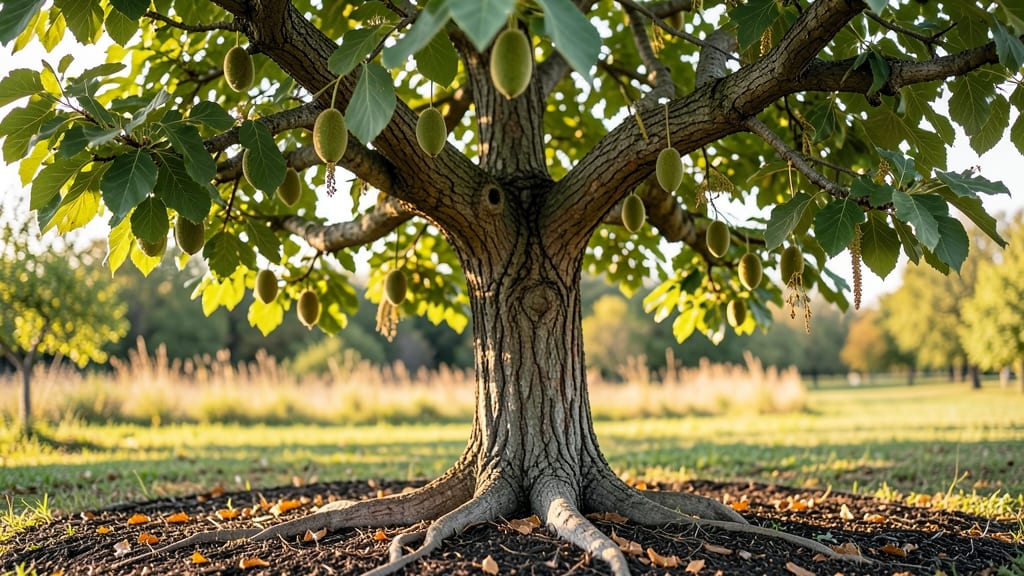
A walnut tree grows to how tall does a walnut tree grow between 40 and 130 feet—taller than a four-story building—depending on the variety and growing conditions.
Wondering if your backyard can accommodate a majestic walnut tree? The height of these nutrient-rich giants varies dramatically by variety—some reach towering heights while others stay manageable for suburban spaces.
English walnut trees, for example, typically grow 60 to 100 feet tall, while black walnut varieties can stretch up to 130 feet in ideal conditions. Dwarf and semi-dwarf options, however, offer a more compact solution for smaller gardens.
Below, you’ll find out how to choose the right walnut tree for your space, including spacing requirements and pruning tips to keep growth in check without sacrificing yield.


Walnut tree height by variety: fastest-growing types and their mature sizes
If you're dreaming of a walnut tree in your landscape, you're in for a treat—but first, let's talk space! Walnut trees can range from towering giants to more manageable sizes, depending on the variety and growth rate.
Some varieties grow 10+ feet per year while others take decades to reach their full height. Understanding these differences helps you choose the perfect fit for your backyard or orchard.
Most walnut trees fall into three main categories: English walnut, black walnut, and heartnut. Each has distinct height potential, with black walnuts often growing the fastest and tallest, while dwarf varieties offer compact options for smaller gardens. Let's break down the specifics so you can plan accordingly.
Mature height isn't the only factor—canopy spread and root depth also matter. A 100-foot-tall tree needs at least 50 feet of clearance in all directions, while dwarf varieties might only require 10 feet. Proper spacing prevents competition for nutrients and sunlight, ensuring healthier growth.
Here's a quick comparison of the fastest-growing walnut varieties and their mature sizes to help you visualize what's possible in your space.
For those with limited space, dwarf varieties like the English walnut 'Paradox' are game-changers. These trees mature at just 15-25 feet tall, making them ideal for small backyards or even large containers. They still produce delicious nuts but require far less room than their full-sized counterparts.
If you're in a suburban neighborhood, a semi-dwarf black walnut like 'Thomas' could be your best bet, reaching 30-50 feet while staying manageable.
Growth rates also vary by climate and soil conditions. In USDA Zone 6 or warmer, walnut trees grow faster due to longer growing seasons. Well-draining soil with a pH of 6.0-7.5 encourages healthier, faster growth.
If your soil is heavy clay, consider amending it with compost or sand to improve drainage and root development
How to choose the right walnut tree for your space: height vs. spread considerations
Selecting a walnut tree requires balancing height with root spread to fit your landscape. Standard varieties can reach 60-130 feet, while dwarf types stay under 25 feet. Before planting, measure your space—both vertically for mature height and horizontally for canopy width, which often equals or exceeds height.
Urban gardeners face unique challenges. Black walnut trees, for example, develop aggressive root systems that can damage sidewalks or underground pipes. Always check local regulations, as some cities restrict planting tall trees near property lines.
For small yards, consider semi-dwarf varieties like 'Thomas' English walnut, which tops out at 30-50 feet.
- Standard varieties: 60-130 ft tall × 40-60 ft wide
- Semi-dwarf types: 30-50 ft tall × 25-35 ft wide
- Dwarf varieties: 15-25 ft tall × 15-20 ft wide
- Root spread: 1.5-2× canopy width (watch for underground structures)
- Urban spacing: Minimum 20 ft from buildings, 30 ft from septic systems
Don't overlook canopy width—this determines how much sunlight nearby plants receive. A mature black walnut's branches can stretch 50 feet wide, creating shade that may suppress understory plants. If you want companion plants, choose varieties with narrower canopies like 'Paradox' hybrid walnut (40-50 feet wide).
Soil type affects both height and spread. Walnut trees thrive in well-draining, slightly acidic soil (pH 6.0-7.0). Heavy clay soils can stunt root growth, reducing both height and spread. Amend compacted soil with compost and organic matter before planting to encourage healthy development.
In rural areas, you have more flexibility for large varieties, but even there, plan for future pruning if power lines are nearby.
Consider your long-term goals. If you're planting for timber or large nuts, standard varieties are ideal—but they require generous space. For quick harvests in small spaces, dwarf varieties like 'Serr' English walnut (15-20 feet tall) produce high-quality nuts with minimal upkeep.
Always research your specific variety's growth habits before purchasing.
Finally, remember that pruning young trees can influence mature height. Structural pruning in the first 3-5 years establishes a strong framework, while regular thinning pruning maintains airflow and reduces disease risk. For container-grown dwarf varieties, prune annually to control height and encourage bushier growth patterns.