
Trees
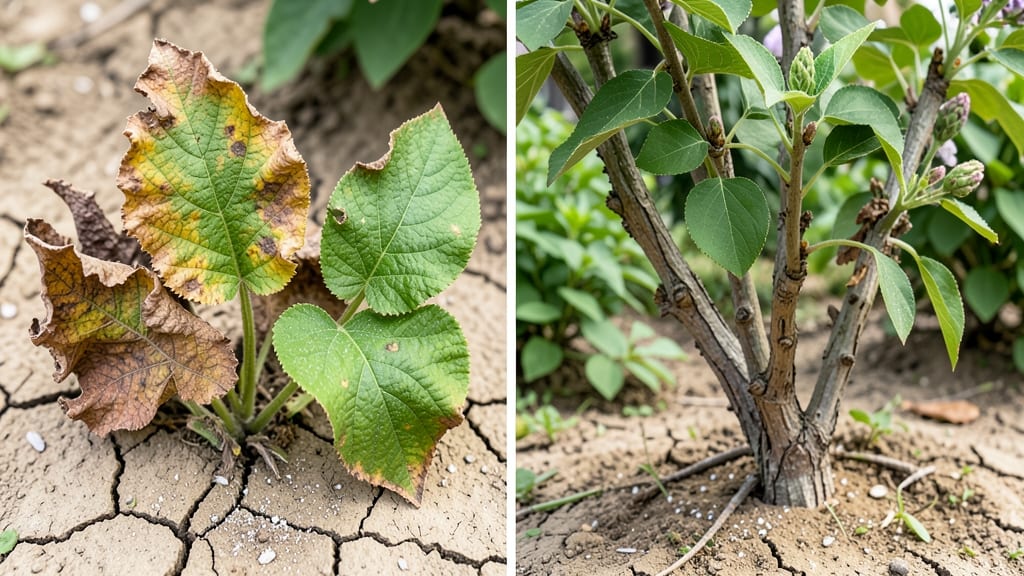
Seeing your lilac tree leaves turning brown doesn’t mean it’s doomed—it’s just signaling that something needs attention. 🌿 I’ve revived countless struggling lilacs, and the solution almost always comes down to water, pests, or hidden stress you can spot with a quick check.
The key is pinpointing why the leaves are browning, because that tells you exactly what to do next.
Overwatering, underwatering, or even excess salt from ice melt can cause those crispy brown edges. Then there are pests like lace bugs or spider mites, which leave behind tiny webs and speckled damage. And don’t overlook nutrient deficiencies—yellowing between veins often means your lilac needs a balanced fertilizer.
The good news? Most of these issues have simple fixes, and your tree can bounce back faster than you think.
Once you identify the problem, you’ll be pruning dead branches, adjusting your watering schedule, or treating pests in no time. Within a few weeks, you’ll see fresh green leaves emerging, and your lilac will look as vibrant as it did in its prime.
The secret is acting fast—before the damage spreads to the whole tree.
This works whether your lilac is young or mature, in a city yard or a country garden. Let’s get those leaves turning green again—your tree’s revival starts with just a few simple steps.
Why it happens
When your lilac tree’s leaves start turning brown, it’s often a distress signal from the plant—like a tiny, leafy SOS. Understanding the root causes helps you act fast and restore that vibrant green.
Below, we break down the most common culprits, backed by science, so you can diagnose and fix the issue before it spreads.
🌡️ Extreme Temperature Stress
Lilac trees (Syringa spp.) thrive in USDA zones 3–7, but they’re sensitive to sudden temperature swings. Frost damage in early spring or late fall can cause leaves to brown and crisp, especially if buds form too early.
On the other hand, heat stress during scorching summers—particularly when combined with drought—triggers oxidative damage. Cells rupture, and chlorophyll breaks down, leaving leaves dull or brown.
Actionable fix:
- ✅ Mulch the base with 2–3 inches of organic mulch (like wood chips) to regulate soil temp.
- ✅ Water deeply during heatwaves (1–1.5 inches per week) to prevent wilting.
- ✅ Avoid pruning in late summer—new growth is more vulnerable to frost.
Pro tip: 🌡️ If brown spots appear after a cold snap, the damage is permanent—but healthy new growth should emerge in spring.
💧 Watering Woes: Too Much or Too Little
Lilacs hate soggy roots and dry soil. Overwatering suffocates roots, leading to root rot (caused by fungi like Phytophthora), while underwatering stresses the tree, causing leaves to curl and brown at the edges. Poor drainage in heavy clay soil is a common culprit—roots can’t absorb oxygen, triggering cellular collapse.
Actionable fix:
- 🔥 Check soil moisture by sticking your finger 2 inches into the soil. Water if it’s dry.
- 👨🍳 Improve drainage by amending clay soil with compost or sand (aim for 30% organic matter).
- 🥘 Water at the base, not overhead, to prevent fungal spores from splashing onto leaves.
Pro tip: 💡 If the soil smells sour or mushrooms sprout nearby, you’ve got root rot—prune affected roots and repot or transplant if necessary.
🍄 Fungal Infections: The Silent Invaders
Fungi like powdery mildew (Erysiphe) or anthracnose (Gloeosporium) love lilac leaves, especially in humid, shaded conditions. Powdery mildew coats leaves in a white, dusty film that turns brown and necrotic, while anthracnose creates dark, sunken spots with yellow halos.
Both thrive when leaves stay wet for long periods.
Actionable fix:
- ⏰ Prune for airflow—remove dense branches to let sunlight and air circulate.
- 🔪 Clean up debris in fall (fallen leaves are fungal incubators).
- ✨ Apply fungicide (neem oil or copper-based sprays) at first signs of white powder or spots.
Pro tip: 🎯 Resistant cultivars like ‘Miss Canada’ or ‘Dwarf Korean’ handle humidity better—consider swapping varieties if fungi are recurrent.
🐜 Pest Pressure: Sap-Sucking Saboteurs
Lilac trees attract pests like aphids, scale insects, or Japanese beetles, which pierce leaves to feed on sap. Their saliva contains toxins that disrupt chlorophyll production, leading to brown, curled, or stippled leaves. Heavy infestations can stunt growth or even kill branches.
Actionable fix:
- 👨🍳 Blast pests off with a strong spray of water (early morning is best).
- 🔥 Use insecticidal soap or horticultural oil for aphids/scale—apply when pests are young.
- 🥘 Set traps for Japanese beetles (or handpick them into soapy water).
Pro tip: 💡 Introduce ladybugs or parasitic wasps (like Aphidius colemani) to naturally control aphids—no chemicals needed!
🌱 Nutrient Deficiencies: Starving for Success
Brown, yellowing leaves (especially older ones) often signal nitrogen deficiency, while brown edges with green veins point to potassium or magnesium shortages. Lilacs also need phosphorus for root development—without it, leaves turn dull and brittle. Soil pH imbalances (too acidic or alkaline) block nutrient uptake, worsening the issue.
Actionable fix:
- 📊 Test your soil (pH 6.0–7.0 is ideal for lilacs). Adjust with lime (to raise pH) or sulfur (to lower it).
- 💪 Fertilize in early spring with a balanced 10-10-10 or a slow-release organic option like composted manure.
- 🥗 Add Epsom salt (1 tbsp per gallon of water) if leaves show magnesium deficiency (yellowing between veins).
Pro tip: 🌱 Avoid over-fertilizing—too much salt burns roots. Always water after applying fertilizer!
Revive Your Lilac Tree Now
Seeing your lilac tree’s leaves turn brown can feel like a gut punch—especially after all that care you’ve put into it. 🌿 But don’t panic! With the right approach, you can nurse your tree back to health and restore its vibrant green foliage.
Below, we break down practical solutions tailored to the most common causes of browning leaves, along with prevention tips to keep your lilac thriving long-term.
If your lilac’s roots are drowning in soggy soil, the leaves will quickly turn brown as a distress signal. Here’s how to correct it:
- 🔥 Stop Watering Immediately Let the soil dry out completely before watering again. Stick your finger about 2 inches into the soil—if it’s damp, wait another day.
- 🍳 Improve Soil Drainage Amend the soil with organic matter like compost or perlite to loosen heavy clay. For severe cases, consider raising the planting bed slightly to prevent water pooling.
- 👨🍳 Check for Root Rot Gently loosen the topsoil and inspect roots for mushy, dark spots. If rot is present, trim affected roots with sterilized pruners and replant in well-draining soil.
- ⏰ Watering Schedule Reset Lilacs prefer deep but infrequent watering. Aim for 1–1.5 inches per week (including rain) and water at the base, not overhead.
💡 Pro Tip: Mulch around the base (but not touching the trunk) to retain moisture without suffocating roots. Use 2–3 inches of wood chips or shredded bark.
Brown, crispy leaves often mean your lilac is thirsty—especially in hot, dry spells. Here’s how to hydrate it properly:
- 🥘 Deep Watering Sessions Water slowly and deeply (about 10–15 minutes) 2–3 times per week during droughts. Use a soaker hose to deliver water directly to the roots.
- 🌿 Morning Watering Wins Water early in the day to reduce evaporation and fungal risks. Avoid evening watering, which can promote mildew.
- 🎯 Shade Relief for Young Trees If your lilac is newly planted, provide partial afternoon shade during extreme heat (90°F+). Mature lilacs can handle full sun but may need extra care in scorching climates.
- 🔥 Hydration Boost for Container Lilacs Potted lilacs dry out much faster. Ensure the pot has drainage holes and use a well-draining potting mix. Move containers to a shadier spot if leaves start wilting.
✨ Prevention Hack: Install a drip irrigation system on a timer to automate consistent watering, especially during heatwaves.
Fungal infections love damp foliage and can turn lilac leaves brown with a fuzzy or spotted texture. Act fast with these fixes:
- 🔪 Prune Infected Branches Cut off brown, spotted, or mildewed leaves with clean pruners, then sterilize tools with rubbing alcohol. Dispose of clippings in the trash (not compost).
- 🌡️ Fungicide Application Spray leaves with a copper-based fungicide or neem oil solution (1 tbsp neem oil + 1 tsp mild soap per quart of water). Reapply every 7–10 days until the issue clears.
- 🌿 Improve Airflow Thin out dense branches to reduce humidity around leaves. Space lilacs 3–6 feet apart when planting to prevent overcrowding.
- 💡 Prevention Routine
- Water at the base (avoid wetting leaves).
- Rake up fallen leaves to remove fungal spores.
- Apply a preventive fungicide in early spring before new growth appears.
🔥 Quick Fix: Mix 1 quart of water + 1 tbsp baking soda + a few drops of dish soap for a DIY fungicide spray (test on a small area first).
Tiny pests can suck the life out of lilac leaves, leaving them brown and stippled. Here’s how to evict them:
- 🍳 Blast Off Pests with Water Spray leaves forcefully with water (early morning) to dislodge aphids and spider mites. Repeat every 3–4 days for severe infestations.
- 👨🍳 Introduce Beneficial Insects Release ladybugs or lacewings (available at garden centers) to eat pests naturally. They’re lilac tree BFFs!
- 🥘 Insecticidal Soap Spray Mix 2.5 tbsp castile soap per gallon of water and spray directly on pests (avoid hot sun to prevent leaf burn). Reapply every 5–7 days.
- 🎯 Physical Barriers Wrap young lilacs in fine mesh netting to block sawfly larvae (which chew leaves into skeletonized brown patches).
💡 Organic Defense: Crush garlic or chili pepper in water, strain, and spray to repel soft-bodied pests like aphids.
Brown leaves can signal a hunger for nitrogen, iron, or magnesium. Feed your lilac the right nutrients:
| Symptom | Likely Deficiency | Solution |
|---|---|---|
| Yellowing between veins (with brown edges) | Nitrogen (N) | Apply a balanced fertilizer (10-10-10) in early spring or use composted manure. |
| Yellowing veins with brown, crispy edges | Potassium (K) | Use a potassium-rich fertilizer (like wood ash or banana peel tea) in late summer. |
| Yellowing leaves with brown spots (interveinal chlorosis) | Iron (Fe) or Magnesium (Mg) | Apply chelated iron or Epsom salt (1 tbsp per gallon of water) every 2 weeks until leaves green up. |
With these targeted fixes, your lilac should bounce back to its lush, fragrant self in 4–6 weeks. The key is acting quickly, diagnosing correctly, and giving your tree the care it craves. 🌸 Keep an eye on its progress—and don’t forget to celebrate those first healthy green leaves!
Frequently asked questions
Why are my lilac tree leaves turning brown only at the edges?
Brown edges on lilac leaves usually mean underwatering or low humidity. These conditions cause the leaf cells to dry out first at the edges. Check the soil moisture by sticking your finger 2 inches deep—if it's dry, water deeply. For container lilacs, move them to a shadier spot during heatwaves to reduce moisture loss.
Can I save my lilac tree if the brown leaves are already crispy?
Crispy brown leaves are often dead and won't recover, but your tree can still bounce back! Prune off the damaged leaves to redirect energy to healthy growth. Focus on fixing the root cause (water, pests, or disease) and your lilac should produce fresh green leaves within 4-6 weeks. Mulch the base to retain moisture and protect roots.
How do I tell if my lilac's brown leaves are from pests or disease?
Check the undersides of leaves for tiny webs (spider mites), sticky residue (aphids), or white powder (powdery mildew). Pests often leave small holes or stippling, while diseases create spots with fuzzy textures. For fungal issues, look for yellow halos around brown patches. If you see pests, use insecticidal soap; for diseases, apply neem oil or copper fungicide.
Is it too late to fix brown leaves before spring blooming?
Not necessarily! While you can't revive current brown leaves, addressing the cause now ensures healthy new growth for spring. Focus on proper watering, pruning dead branches, and applying balanced fertilizer. Lilacs bloom on old wood, so don't prune heavily—just remove diseased or dead stems. With proper care, you'll see vibrant blooms next season!
Why do my lilac leaves turn brown even when I water regularly?
Overwatering or poor drainage can cause brown leaves despite regular watering. Check for soggy soil or mushrooms near the base—signs of root rot. Improve drainage by adding compost or sand to heavy clay soil. Also verify your watering method: overhead watering can spread fungal spores, while deep root watering is more effective. Water at the base in the morning only.