
Pruning
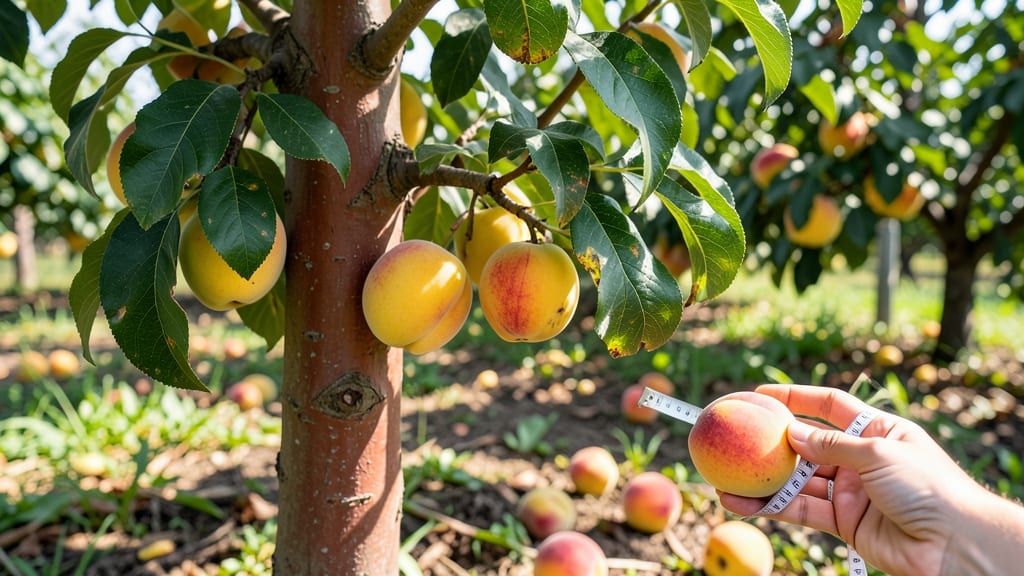
My peach tree fruit drop problem vanished after I learned these pruning secrets—your harvest could be next. 🌱 The issue isn't just about thinning fruit; it's about how your tree balances energy between growth and fruit production.
Too many branches competing for resources leads to premature drop, and most gardeners don't realize how simple the fix can be.
Start by removing water sprouts—those vertical shoots growing straight up—and any crossing branches that block sunlight. These steal energy from fruit development. I also prune back last year's growth by 25% to encourage stronger new branches that support fruit better.
The key is opening the canopy so sunlight reaches the center, where most fruit forms.
Once you've pruned, adjust your care routine: water deeply once a week instead of lightly daily, and hold off on nitrogen-heavy fertilizers until after harvest. This shift tells the tree to focus on fruit retention rather than leafy growth.
Within weeks, you'll see fewer dropped peaches and more staying firmly attached—ready to ripen perfectly.
This method works for both young trees establishing themselves and mature trees that suddenly start dropping fruit. The same principles apply whether you're dealing with a 5-year-old tree or one that's been bearing for decades. Let's get those peaches staying put!
Root Causes Behind Fruit Drop
Understanding why peaches fall prematurely from your tree is the first step in preventing it—and saving your harvest. Fruit drop is rarely caused by a single factor but usually stems from a mix of environmental stress, poor tree health, or mismanaged care.
Below, we break down the key culprits and why they trigger this frustrating phenomenon.
Peach trees are sensitive to extreme conditions, and when the environment turns against them, fruit drop becomes inevitable. Here’s how climate and weather play a role:
- Temperature Swings Peaches require a consistent temperature range (50–90°F) during fruit development. Sudden heatwaves or late frosts can shock the tree, causing blossoms or young fruit to abort.
For example: - Late spring frosts (<28°F) damage pollen tubes, preventing fertilization and leading to blossom blast (where flowers drop entirely). - Extreme heat (>95°F) during fruit set can disrupt cell division, causing small peaches to shrivel and fall.
- Water Stress (Too Much or Too Little) - Drought conditions force the tree to prioritize survival over fruit retention. Without enough moisture, peaches abscise (naturally detach) to conserve the tree’s energy. - Overwatering or poor drainage leads to root suffocation, weakening the tree’s ability to support fruit.
Waterlogged soil also encourages bacterial diseases (like Agrobacterium), which can cause fruit to drop prematurely.
- Wind and Physical Damage Strong winds can physically dislodge fruit, but they also increase transpiration (water loss), stressing the tree. Additionally, wind can spread fungal spores (e.g., Monilinia for brown rot), which infect and mummify peaches, leading to drop.
Peach trees are heavy feeders, and when they lack essential nutrients, fruit drop becomes a survival mechanism. Here’s what to watch for:
- Nitrogen Deficiency (Early Season Drop) Nitrogen fuels leaf and fruit growth, but a shortage causes:
- Small, thin leaves (a classic sign).
- Premature fruit drop as the tree can’t sustain developing peaches.
- Fix: Apply a balanced fertilizer (10-10-10) at petal fall (when flowers drop) to support fruit set.
- Potassium and Calcium Imbalances (Late Season Drop)
- Low potassium weakens cell walls, making peaches prone to splitting and dropping during rain.
- Calcium deficiency leads to blossom end rot (a brown, leathery spot on peaches) and eventual drop.
- Fix: Use potassium sulfate or lime (for calcium) in early spring before blooming.
- Boron and Zinc Deficiencies (Poor Fruit Retention) These micronutrients are critical for cell wall formation. Without them:
- Peaches develop internal browning or poor structure, making them drop easily.
- Fix: Apply borax (sodium borate) or zinc sulfate as a foliar spray during bloom.
Sometimes, the tree itself signals fruit to drop as a way to redirect resources. Here’s how:
- Thinning Hormones (Natural Pruning) Peach trees produce ethylene and abscisic acid (ABA), hormones that trigger fruit drop when:
- The tree is overloaded with fruit (more than it can support).
- Weak branches can’t bear the weight (common in young or heavily pruned trees).
- Solution: Hand-thin fruit to 6–8 inches apart to reduce stress.
- Disease and Pest Pressure
- **Brown rot (Monilinia) and peach leaf curl weaken the tree, causing premature fruit drop.
- Aphids, scale, or borers sap nutrients, leading to stunted peaches** that fall early.
- Fix: Apply copper fungicide (for diseases) and horticultural oil (for pests) before bloom.
- Rootstock and Varietal Sensitivity Some peach varieties (e.g., clingstone types) are more prone to drop due to weaker fruit attachment.
Dwarfing rootstocks (like Lovell or Nemaguard) may also struggle to support heavy crops. - Fix: Choose freestone varieties (e.g., Redhaven, Elberta) and support branches with stakes if needed.
Poor pruning practices can disrupt the tree’s energy flow, leading to drop. Common errors include:
- Over-Pruning in Late Winter Cutting back too aggressively before bloom removes flower buds, reducing fruit set. It also stresses the tree, making it more susceptible to drop.
- Uneven Canopy Growth If the tree is top-heavy or has uneven branches, some limbs bear too much weight, causing branch breakage and fruit loss.
- Not Pruning for Airflow Dense foliage traps moisture, promoting fungal diseases (like Leucostoma) that weaken fruit. Thinning out branches improves airflow and reduces drop.
Even if flowers bloom, poor pollination can cause peaches to drop before they form. Key issues:
- Lack of Pollinators (Bees, Wind) Peaches are self-pollinating but benefit from cross-pollination. If bees are scarce:
- Fruit sets poorly or drops as "blind" (empty) peaches.
- Fix: Plant a second peach variety nearby or hand-pollinate with a small brush.
- Rain During Bloom Heavy rain washes away pollen, preventing fertilization. If blooms stay wet for >24 hours, drop increases.
- Temperature Mismatch Peaches need consistent warm days (70°F+) and cool nights (50–60°F) for successful pollination. Heat spikes (>85°F) can sterilize pollen, leading to drop.
Fixing Fruit Drop in Peach Trees
Now that you understand why your peach tree might be dropping fruit, it’s time to take action! The good news? Most causes of premature fruit drop can be managed—or even prevented—with the right techniques.
Below, we’ll break down practical fixes for each common cause, along with prevention tips to keep your tree productive and healthy.
If your peach tree isn’t getting enough pollination, flowers may drop before setting fruit. This is especially common in rainy springs or if bees are scarce.
How to Fix It
✅ Hand-Pollinate (If Needed)
- On cloudy or rainy days, gently shake branches to encourage wind pollination.
- Use a soft paintbrush to transfer pollen from one flower to another (great for small orchards or greenhouses).
✅ Attract More Pollinators
- Plant bee-friendly flowers (like lavender, sunflowers, or clover) near your peach tree.
- Avoid pesticides during bloom—opt for organic sprays or neem oil instead.
💡 Prevention Tip:
- Choose self-pollinating peach varieties (like ‘Elberta’ or ‘Redhaven’) if you have few bees in your area.
Peach trees naturally drop excess fruit to focus energy on quality. But if they’re overloaded, they may shed more than usual, leading to smaller harvests.
How to Fix It
✅ Thin Fruit Early
- When fruits are pea-sized, remove 50-70% of them by hand.
- Keep 1 fruit every 6-8 inches on branches (thinner spacing = bigger, sweeter peaches).
- Remove misshapen, damaged, or small fruits first.
✅ Balance Tree Health
- Fertilize lightly in early spring with a balanced 10-10-10 or 6-6-6 formula.
- Avoid high-nitrogen fertilizers (like lawn fertilizer)—they encourage leafy growth over fruit.
💡 Prevention Tip:
- Prune in late winter to improve airflow and reduce overcrowding, which stresses the tree.
Frost, heatwaves, or sudden temperature swings can cause bloom failure or fruit abscission (premature drop).
How to Fix It
✅ Protect Against Late Frost
- Cover young trees with frost blankets or row covers if frost is forecasted during bloom.
- Use smoke pots or wind machines to create a microclimate that warms the air slightly.
✅ Manage Heat Stress
- Water deeply during dry spells (1-2 inches per week).
- Mulch heavily (3-4 inches of wood chips or straw) to keep roots cool.
💡 Prevention Tip:
- Plant late-blooming varieties (like ‘Contender’ or ‘Halehaven’) if your area has frequent spring frosts.
Insects (like peach tree borers, aphids, or scale) and diseases (brown rot, leaf curl) weaken trees, leading to fruit drop.
How to Fix It
✅ Treat Pests Early
- Spray with horticultural oil (like Neem Oil) in late winter to kill overwintering pests.
- Use insecticidal soap for aphids or mites during bloom (avoid harming bees).
- For borers, apply borax-based treatments or beneficial nematodes to the soil.
✅ Prevent Diseases
- Prune out infected branches (especially those with black spots or cankers).
- Remove fallen fruit (a major source of brown rot spores).
- Apply copper fungicide in early spring as a preventative.
💡 Prevention Tip:
- Space trees properly (15-20 ft apart) for better airflow, reducing humidity-related diseases.
Lack of boron, zinc, or calcium can cause blossom end rot or poor fruit set, leading to drop.
How to Fix It
✅ Test Soil & Amend
- Get a soil test (check for pH 6.0-7.0 and micronutrient levels).
- If boron is low, apply borax (1 tsp per gallon of water) as a foliar spray.
- For calcium issues, use calcium nitrate or gypsum in the soil.
✅ Avoid Over-Fertilizing
- Too much nitrogen = more leaves, fewer fruits.
- Use a low-nitrogen, high-potassium fertilizer (like 5-10-10) in late spring.
💡 Prevention Tip:
- Mulch with compost yearly to slowly improve soil health over time.
Over-pruning, heading cuts, or wounding the tree stresses it, leading to fruit drop.
How to Fix It
✅ Prune Correctly
- Remove dead, diseased, or crossing branches in late winter/early spring.
- Avoid heavy pruning during fruit set—save major cuts for dormant season.
- Use sharp tools and seal large cuts with pruning sealant (optional for small wounds).
✅ Encourage an Open Canopy
- Thin out dense growth to allow sunlight and airflow to reach the center.
- Train young trees with a central leader or open vase shape.
💡 Prevention Tip:
- Prune in stages if needed—don’t remove more than 25% of the canopy in one year.
If fruit drops right after blooming, it’s often due to hormonal shifts or environmental stress. If it happens later, it may be water or nutrient-related.
How to Fix It
✅ Monitor & Adjust Care
- After bloom, ensure consistent watering (deep, infrequent watering is best).
- Avoid heavy rains—if forecasted, cover trees with tarps to prevent fruit splitting or rot.
✅ Use Growth Regulators (If Needed)
- Gibberellic acid (GA3) can help reduce June drop in some varieties (follow label instructions).
💡 Prevention Tip:
- Harvest at peak ripeness—wait until peaches easily detach from the tree with slight pressure.
Track when fruit drops, weather patterns, and care routines each year. Over time, you’ll spot trends and adjust your strategy for a bountiful harvest!
By addressing the root cause of your peach tree’s fruit drop and following these simple, actionable steps, you’ll be well on your way to saving your harvest—and enjoying juicy, homegrown peaches** for years to come. 🍑🌿
Frequently asked questions about peach tree fruit drop
Why do peaches fall off my tree even after they've formed?
This is called June drop—a natural process where trees shed excess fruit to focus energy on quality. However, if you see more than usual dropping after 4-6 weeks of growth, check for water stress, nutrient deficiencies (like boron or calcium), or pest damage. Thin remaining fruit to 6-8 inches apart to reduce stress on the tree.
Can I save peaches that are already dropping?
Not if they're already on the ground, but you can prevent further drop by addressing the cause. For small, green peaches, hand-thin aggressively to reduce competition. For larger fruit, check for pests (like peach tree borers) or diseases (brown rot) and treat immediately. Once fruit reaches golf-ball size, drop rates should decrease.
Is it normal for peaches to drop after a late frost?
Yes! Late frosts (<28°F) can damage pollen tubes, preventing fertilization. This causes blossom blast, where flowers drop entirely. For young fruit that's already set, frosts may cause internal browning or poor development, leading to drop. Protect trees with frost blankets during bloom, and choose late-blooming varieties if frosts are common.
How do I know if my peach tree has a nutrient deficiency?
Look for these signs: Small, yellow leaves (nitrogen deficiency), weak stems (potassium), or blossom end rot (calcium). For boron deficiency, check for cracked or hollow peaches. Test your soil and amend with lime (for calcium), potassium sulfate, or borax sprays as needed. Over-fertilizing with nitrogen can worsen fruit drop by encouraging leafy growth.
Will pruning my peach tree help prevent fruit drop?
Prune in late winter to remove dead wood, crossing branches, and water sprouts. Open the canopy to improve sunlight and airflow, which reduces disease pressure. Avoid heavy pruning during fruit set—limit cuts to 25% of the canopy per year. Proper pruning reduces stress and helps the tree support more fruit.