
Planting
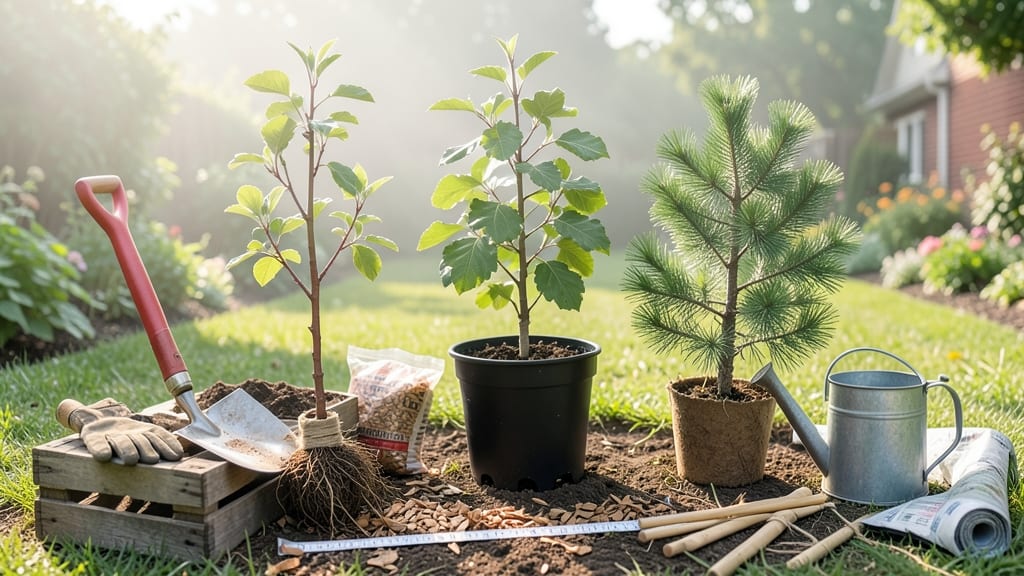
Planting tree seedlings the right way means roots that grow deep and strong from day one. 🌱 I’ve buried too many saplings too shallow (or too deep) to ever forget how critical this step is—your first cut determines how your tree will stand for decades.
The secret isn’t just digging a hole; it’s creating the perfect environment for roots to spread without stress.
Start with the basics: a shovel, water, and a spot with sunlight matching your tree’s needs. Most seedlings need holes twice as wide as their root ball but only as deep as the container they came in.
Amend heavy clay soil with compost to help roots establish faster—my oak saplings now tower over their neighbors because I did this one thing right. Water thoroughly before planting to reduce transplant shock, and keep the soil moist for the first 2-3 weeks.
After planting, mulch with wood chips or straw to lock in moisture and block weeds. Stake only if needed—too many gardeners overdo it, and the tree grows weak from leaning. I’ve seen 6-foot-tall birches still wobbling because they relied on stakes too long.
The goal is independence, not crutches. With proper care, your seedlings will grow into mature trees in no time.
Timing matters too: spring and early fall are ideal for most species, but research your tree’s specific needs. Evergreens, for example, handle transplanting better in cooler months. And if you’re planting in containers, use a mix of potting soil and perlite to prevent compaction.
The right approach turns fragile seedlings into sturdy giants—one careful step at a time.
📚 In This Guide
- What you need
- Instructions
- Tips and common mistakes
- Wrapping up and next steps
What you need
- ● Tree seedlings: 1–5 (depending on your project size), healthy and disease-free. Choose species suited to your climate and soil type.
- ● Shovel or trowel: A round-point shovel (for digging holes) or a hand trowel (for smaller seedlings).
- ● Gloves: A pair of gardening gloves to protect your hands from dirt, thorns, or rough bark.
- ● Watering can or hose: With a gentle spray nozzle to avoid disturbing the soil around seedlings.
- ● Mulch: Organic mulch like wood chips, straw, or shredded leaves (2–4 inches thick) to retain moisture and suppress weeds.
- ○ Stakes and twine (optional but recommended): Bamboo stakes (1–2 per seedling) and soft twine to support young trees in windy areas.
- ● Soil amendments: Compost or peat moss to improve soil quality if your native soil is poor.
- ● Fertilizer: A slow-release, balanced fertilizer (e.g., 10-10-10) to give seedlings a nutrient boost.
- ● Tree guard or barrier: Plastic tree guards to protect young trunks from pests or lawnmowers.
- ● pH testing kit: To check soil acidity/alkalinity and adjust if needed (ideal pH varies by tree species).
- ● Pruning shears: For trimming damaged branches or shaping the seedling before planting.
- ● 📅 Best planting time: Early spring or fall (avoid extreme heat or frost). Check your seedling’s specific needs!
- ● 🌡️ Weather conditions: Overcast or early morning/evening to reduce transplant shock.
- ● 📏 Site preparation: Clear the area of weeds, rocks, or debris. Test soil drainage (avoid waterlogged spots!).
- ● 📝 Local regulations: Check if permits are needed for planting trees in public spaces or urban areas.
Step-by-Step instructions for planting tree seedlings
Here’s how I’ve planted dozens of seedlings—strong roots every time.
🌱 Step 1: Choose the Right Time and Location
Plant your seedlings in early spring or fall when temperatures are mild—50-70°F—to reduce transplant shock. Avoid extreme heat or frost, which can stress young roots. I always check the weather forecast for at least three days of calm conditions before planting.
Pick a spot with full sun (at least 6 hours daily) and well-draining soil. Dig a hole twice as wide as the root ball but only as deep as the container’s height. If the soil is heavy clay, mix in 2-3 inches of compost to improve drainage. You’ll know the site is ready when the soil feels loose and crumbly when squeezed.
🪴 Step 2: Prepare the Seedling and Hole
Remove the seedling from its container and gently loosen the roots if they’re circling or tangled. If the roots are very compacted, use your fingers to tease them apart—this encourages outward growth. Avoid pulling or breaking roots, as they’ll take weeks to recover.
Place the seedling in the hole so the top of the root ball sits level with the ground. If the hole is too deep, the stem will rot; if too shallow, the roots won’t anchor properly. Tap the soil lightly around the base to eliminate air pockets, then water deeply to settle everything.
💧 Step 3: Water Thoroughly and Mulch
Water the seedling deeply—about 1-2 gallons—until the soil 2-3 inches down is thoroughly moist. You’ll see water pooling at the surface before it drains away; that’s your signal to stop. Overwatering now can suffocate roots, so let excess drain completely.
Spread 2-3 inches of mulch (like wood chips or shredded bark) around the base, keeping it 3-4 inches away from the trunk to prevent rot. Mulch locks in moisture and regulates soil temperature. Replenish it annually—you’ll notice healthier growth in the first year with consistent mulch.
☀️ Step 4: Stake and Protect if Needed
If your seedling is tall or top-heavy, insert a 5-6 foot stake into the hole before planting. Tie the trunk loosely to the stake with soft plant ties or strips of fabric—too tight, and you’ll restrict growth. Check the ties every 2-3 weeks and loosen them as the tree thickens.
For young seedlings in exposed areas, wrap the trunk with tree guard (available at nurseries) to protect against pests and sun scorch. You’ll see less stress on the leaves, and the bark will stay smooth and healthy. Remove the guard after the first growing season if the tree is thriving.
⏰ Step 5: Monitor and Maintain for the First Year
Water once a week during the first year, giving 2-3 gallons per watering—enough to moisten the soil 6-8 inches deep. You’ll know it’s right when the soil feels damp but not soggy. Deep watering encourages roots to grow downward for stability.
Fertilize lightly in early spring with a balanced, slow-release fertilizer (like 10-10-10). Avoid heavy feeding, which can burn tender roots. Prune only to remove dead or crossing branches—never trim more than 10-15% of the foliage in the first year. You’ll see stronger growth and fewer pests with minimal intervention.
Tips & tricks for planting tree seedlings
Took me a while to figure these out, so here goes—these little details make all the difference for happy, thriving trees.
Timing is Everything: The three-day calm weather window in Step 1 isn't just arbitrary—it's about giving roots time to establish before wind stress kicks in. I've seen seedlings uproot within hours of planting during gusty conditions. Check your local forecast for wind speeds below 10 mph during those three days for best results.
Root Handling Technique: When loosening those compacted roots in Step 2, think of it like untangling headphones—gentle pressure works better than brute force. I use my fingers to gently separate roots, not a trowel. This prevents root damage that can take weeks to heal. You'll see the difference in how quickly your seedling recovers.
Watering Wisdom: That 1-2 gallon deep watering in Step 3 isn't just about quantity—it's about quality. Water until you see pooling at the surface that drains away completely. I use a watering can with a long spout to direct water right at the root zone. This ensures the full 2-3 inches of soil gets saturated, not just the surface.
Mulch Placement Matters: Keeping mulch 3-4 inches away from the trunk in Step 3 prevents what I call "mulch volcanoes"—piles that trap moisture against the bark and cause rot. I make a little donut shape with the mulch, leaving the base of the tree exposed. This simple adjustment has saved me from losing several seedlings to fungal issues.
Pro Tips for Plant Tree Seedlings
- Took me a while to figure these out, so here goes—these little details make all the difference for happy, thriving tr...
- Timing is Everything: The three-day calm weather window in Step 1 isn't just arbitrary—it's about giving roots time t...
- Root Handling Technique: When loosening those compacted roots in Step 2, think of it like untangling headphones—gentl...
Frequently asked questions
Got questions about planting tree seedlings? You're not alone! Here are some of the most common concerns—plus straightforward answers to help you grow confidently.
What’s the best time of year to plant tree seedlings?
For most regions, early spring (after the last frost) or early fall (4-6 weeks before the first frost) are ideal. These seasons offer mild temperatures, ample moisture, and fewer pests. Avoid planting in extreme heat or cold—seedlings need time to establish roots before stress sets in. Check your local climate zone for precise timing!
How often should I water newly planted seedlings?
Water deeply 2-3 times per week for the first month, ensuring soil stays moist (not soggy). After that, taper to 1-2 times weekly, depending on rainfall. Pro tip: Use a soaker hose or drip irrigation to deliver water directly to the roots and reduce evaporation. Mulch around the base to retain moisture and protect roots.
Can I plant a seedling in a pot instead of the ground?
Yes! If space is limited, 5-gallon containers with drainage holes work well for small trees (like fruit trees or ornamental varieties). Use well-draining soil and repot every 1-2 years. However, native trees thrive best in the ground—their roots grow stronger when they can spread naturally. For container-grown trees, plan to transplant them outdoors within 2-3 years.
What should I do if my seedling’s leaves turn yellow or wilt?
Yellow leaves often signal overwatering or poor drainage, while wilting can mean underwatering or root stress. Check the soil moisture—it should feel like a damp sponge. If roots are exposed or circling the pot, gently loosen them before replanting. Pro tip: Adjust your watering routine and ensure the planting hole is twice as wide as the root ball for better airflow.
How do I protect seedlings from pests or animals?
Use physical barriers like wire mesh (for burrowing animals) or tree guards (to deter deer and rabbits). For pests, neem oil or insecticidal soap are gentle, organic options. Avoid chemical pesticides near edible trees. Bonus: Planting companion flowers (like marigolds) can repel harmful insects naturally!
Wrapping up and next steps
Planting tree seedlings is a rewarding way to contribute to the environment while growing your green space! By following these steps—choosing the right location, preparing the soil, and providing ongoing care—you’ll give your young trees the best chance to thrive. Remember, patience and consistency are key! 🌱
Now that you’re ready to plant, why not take the next step? Share your progress with fellow gardening enthusiasts online, or explore local reforestation programs to multiply your impact. Every seedling makes a difference—happy planting! 🌳✨