
Pruning
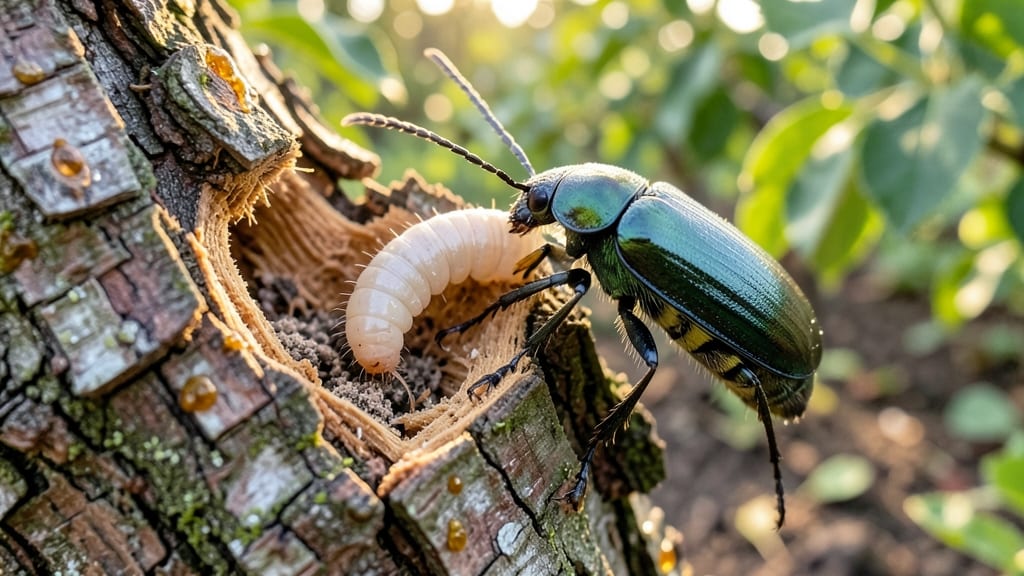
Fruit tree borers turn your backyard orchard into a battleground. 🌳 I’ve watched these silent destroyers chew through bark, leaving sawdust-like frass and wilting branches in their wake—until I learned the 3-stage elimination that works without harsh chemicals. The key? Spotting them early, when they’re still small enough to stop.
Most borers—like peach tree borers or flatheaded borers—start as tiny larvae hiding under bark. They weaken trees by disrupting sap flow, and by the time you see holes, it’s often too late for quick fixes. My first mistake? Waiting until the damage was visible.
Now I check for frass piles or sticky sap in spring, before they tunnel deep. With the right tools—pruning shears, neem oil, and beneficial nematodes—you can eliminate 90% of borers in three targeted steps. The payoff?
Trees that stay strong, produce fruit, and don’t become a borer buffet for years to come. Let’s get started.
Here’s the hard truth: borers thrive in stressed trees. Poor pruning, overwatering, or nutrient deficiencies make them easy targets. I’ve seen healthy trees fight off borers naturally, while neglected ones become infested within weeks.
The fix? Sanitation first: remove infested branches, seal wounds with pruning paint, and mulch properly to keep moisture levels steady. Prevention is simpler than you think. A 30-minute inspection in early spring—looking for entry holes or sawdust—can save your tree.
Pair that with a yearly deep watering schedule and balanced fertilizer, and you’ll create an environment borers avoid. Even organic sprays like neem oil (applied in late spring) deter them before they lay eggs.
If you’re already dealing with an infestation, don’t panic. Stage 1 is manual removal: drill out larvae with a screwdriver or use a borer probe. Stage 2 adds nematodes or insecticidal soap to kill what you missed. Stage 3 focuses on long-term health—pruning for airflow and feeding your tree right.
Most trees recover fully within a season if you act fast. The best part? This method works for peach, apple, cherry, and citrus trees alike. No need for toxic sprays—just smart timing and a little elbow grease. Your trees will thank you with years of healthy growth and bountiful harvests.
Root Causes Of Tree Damage
Understanding why fruit tree borers invade your trees is the first step toward stopping them naturally. These pests don’t just appear out of nowhere—they’re drawn to specific conditions that make your trees vulnerable. Let’s break down the key factors that turn your orchard into a buffet for these destructive insects.
Fruit trees with compromised immune systems are prime targets for borers. When trees struggle to fight off pests, borers exploit the opportunity by tunneling into weakened bark and sapwood.
Why it happens:
- Poor nutrition: Trees deficient in essential nutrients (like nitrogen, potassium, or calcium) produce weaker structural tissues. Borers detect stressed trees through chemical signals in the bark.
- Water stress: Drought or overwatering disrupts a tree’s ability to transport nutrients, making it easier for borers to penetrate. Pro tip: 💡 Regular soil moisture checks (especially in root zones) help prevent extreme stress.
- Disease presence: Fungal infections (e.g., canker diseases) or bacterial rot create entry points. Borers often follow existing damage, as compromised areas lack the resins that repel pests.
Actionable fix: Monitor your trees for signs of nutrient deficiency (yellowing leaves, stunted growth) and address them with balanced fertilizers or organic amendments like compost.
Borers are opportunistic—they seek out any disruption in a tree’s bark or trunk. Even minor wounds can serve as gateways.
Why it happens:
- Pruning wounds: Improper pruning (cutting too close to the trunk or leaving jagged edges) creates open doors. Borers lay eggs in these wounds, and larvae burrow in within days.
- Animal damage: Rabbits, deer, or rodents gnawing on bark remove protective layers, exposing the cambium layer (the tree’s growth tissue).
- Mechanical harm: Lawnmowers, string trimmers, or even hail can strip bark, leaving vulnerable spots. Pro tip: ✨ Always seal pruning cuts with tree wound paint or pruning sealant to deter borers.
Actionable fix: Inspect your trees after storms or pruning sessions. Seal wounds promptly with a natural sealant (like beeswax or horticultural putty) to block borer entry.
Borers aren’t just after the tree—they’re drawn to the decaying matter at its base. Overripe or rotting fruit on the ground creates a perfect breeding ground.
Why it happens:
- Fruit left on the ground: Fallen apples, peaches, or plums ferment and attract borer adults for egg-laying. The larvae then migrate to nearby trees.
- Heavy crop loads: Trees burdened with too much fruit divert energy from defense mechanisms, making them easier targets.
- Poor harvest timing: Delayed picking leaves fruit vulnerable to spoilage, which borers exploit. Pro tip: 🍎 Harvest fruit promptly and remove all debris from the tree base to eliminate hiding spots.
Actionable fix: Regularly pick fallen fruit and compost it away from tree bases. Thin out heavy crops to reduce stress on the tree.
Extreme weather, poor soil, or lack of sunlight can weaken a tree’s natural defenses, making it more attractive to borers.
Why it happens:
- Climate shifts: Sudden temperature changes (e.g., late frosts or heatwaves) shock trees, lowering their resilience. Borers thrive in stressed conditions.
- Compacted soil: Poor drainage or soil compaction restricts root growth, starving the tree of water and nutrients. Weak roots = weaker structural integrity.
- Lack of sunlight: Shady trees grow slowly and produce less protective resin, which borers avoid in healthy trees.
Actionable fix: Improve soil aeration with organic matter (like wood chips or compost) and ensure your trees get at least 6–8 hours of sunlight daily.
Once borers infest a tree, they don’t disappear—they multiply. Eggs laid in one season can hatch the next, creating a cycle of reinfection.
Why it happens:
- Unchecked infestations: If borers go untreated, they spread to neighboring trees via adult moths or beetles.
- Dormant larvae: Some borer species overwinter in the bark, emerging when conditions are favorable (e.g., warm spring days).
Actionable fix: Monitor trees year-round for sawdust-like frass (borer waste) at the base of the trunk or in cracks. Early detection is key to breaking the cycle.
Natural Ways to Stop Tree Pests
Fruit tree borers may seem like a daunting challenge, but with the right approach, you can eliminate them naturally and protect your trees in three key stages: early detection, targeted treatment, and long-term prevention.
Below are practical, chemical-free solutions tailored to the root causes of infestations—so you can restore your trees to full health without harsh pesticides.
The sooner you spot borers, the easier they are to remove. Look for these warning signs and act fast:
🕵️♂️ Signs of Infestation
- Sawdust-like frass at the base of the trunk or branches (a sure sign of larvae feeding).
- Wilting leaves or sudden dieback in one branch (borers block water flow).
- Small holes in the bark (entry/exit points for adult beetles).
- Weak, oozing sap (a sign of stress from larval tunnels).
💡 Pro Tip: Tap the trunk with a stick—if it sounds hollow, borers are likely inside. Act immediately!
For light infestations, you can physically remove borers without chemicals.
👨🍳 Step-by-Step Extraction
- Locate the tunnels by scraping bark or using a screwdriver to probe entry holes.
- Inject a solution (see below) into the holes with a syringe or turkey baster.
- Seal the holes with beeswax or tree sealant to prevent re-entry.
- Repeat weekly for 3–4 weeks to ensure all larvae are gone.
🔥 Best DIY Solutions for Injection:
| Solution | How to Use | Effectiveness |
|---|---|---|
| Soapy water (1 tbsp dish soap + 1 cup water) | Kills larvae on contact; flushes out tunnels. | ⭐⭐⭐ (Good for early stages) |
| Neem oil (1%) | Disrupts larval development; apply with a spray bottle into holes. | ⭐⭐⭐⭐ (Long-lasting) |
| Beneficial nematodes | Microscopic worms that parasitize borer larvae; water into soil around roots. | ⭐⭐⭐⭐⭐ (Best for prevention) |
⏰ Timing Matters: Treat spring and fall when borers are most active.
Instead of chemicals, encourage predators that naturally keep borer populations in check.
🐞 Friendly Critters That Eat Borers
- Parasitic wasps (e.g., Goniozus legneri) – Lay eggs inside borer larvae, killing them.
- Ground beetles – Hunt borer eggs in the soil.
- Birds (woodpeckers, nuthatches) – Peck at bark to eat adult beetles.
💡 How to Attract Them:
- Plant native flowers (e.g., dill, fennel) to lure parasitic wasps.
- Leave leaf litter near trees to shelter ground beetles.
- Install birdhouses near infested trees.
The best defense is a strong, healthy tree that borers avoid. Follow these proactive steps:
🌡️ Strengthen Tree Health
- Water deeply (1–2 inches per week) to reduce stress.
- Mulch properly (2–4 inches of organic mulch) to retain moisture.
- Prune correctly (remove dead/diseased branches in late winter/early spring).
🎯 Physical Barriers
- Wrap trunks with borer-resistant tape (e.g., Tanglefoot) to trap emerging adults.
- Apply kaolin clay (a natural mineral) to trunks—borers hate the texture and avoid laying eggs.
🌱 Soil & Tree Care
- Avoid over-fertilizing (too much nitrogen attracts pests).
- Test soil pH (borers thrive in acidic soil; aim for 6.0–7.0).
- Plant resistant varieties (e.g., peach trees with ‘Lovell’ rootstock resist borers better).
Before calling it a success, verify your efforts with this quick checklist: ✅ No fresh frass near the trunk or branches. ✅ Leaves are vibrant (no wilting or yellowing). ✅ No new holes in the bark. ✅ Birds/beetles are active around the tree.
🔥 Remember: Consistency is key—monitor trees weekly during growing seasons and reapply treatments as needed.
By combining early action, natural treatments, and preventive care, you can save your fruit trees without resorting to toxic chemicals. Your trees will thank you with bountiful harvests for years to come! 🍎🌳
Frequently asked questions
How do I tell if my fruit tree has borers?
Look for sawdust-like frass near the trunk or branches—this is borer waste. Check for small holes in the bark (entry/exit points) or oozing sap where tunnels breach the surface. Tap the trunk: a hollow sound means larvae are inside.
Can I use neem oil to kill borers?
Yes! Mix 1% neem oil with water and inject it into borer holes using a syringe. The oil disrupts larval development. Apply in spring and fall when borers are most active. For best results, repeat treatments every 1-2 weeks until no fresh frass appears.
Will pruning help prevent borers?
Absolutely—but do it right! Remove dead or diseased branches in late winter/early spring to reduce entry points. Seal pruning cuts with tree wound paint or beeswax to block borer access. Avoid over-pruning, as stressed trees attract more pests.
Are there natural predators that eat borers?
Yes! Parasitic wasps (like Goniozus legneri) lay eggs inside borer larvae, killing them. Attract them by planting native flowers (dill, fennel) near your trees. Ground beetles and woodpeckers also help—leave some leaf litter and install birdhouses to encourage them.
How long does it take to eliminate borers?
With consistent treatment, you’ll see results in 4-6 weeks. Start with manual removal (drilling out larvae) and follow up with neem oil or nematodes. Monitor weekly for frass or new holes. Severe infestations may take 2-3 months, but healthy trees recover faster with proper care.