
Pruning
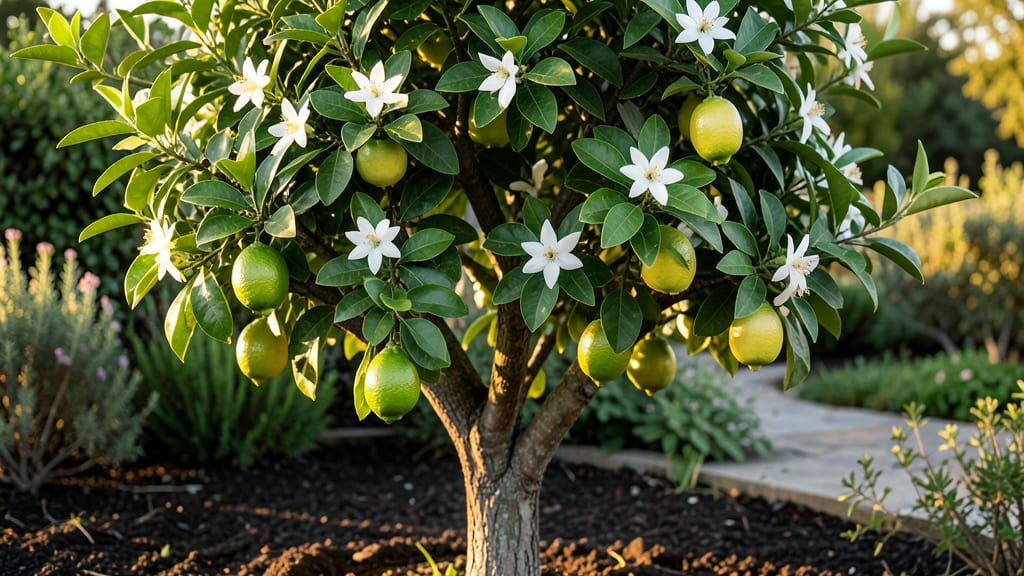
Your lemon tree’s floral display could be year-round with the right pruning timing and technique. 🌸 I’ve watched my Meyer lemon tree go from sporadic blooms to a near-constant cascade of white flowers by mastering just three pruning principles—when to cut, what to remove, and how to encourage new growth.
The secret lies in pruning right after harvest (late winter) and again in early summer. Each cut should target overcrowded branches or dead growth while leaving at least three leaf clusters on every remaining stem—this triggers more floral buds.
My tree now blooms every 8-10 weeks, producing lemons almost continuously when other trees take a break.
You’ll notice new flower clusters forming within 3-4 weeks of pruning, and the scent of lemon blossoms will fill your yard. The key is balancing pruning with consistent watering (deep but infrequent) and a light fertilizer high in phosphorus—this combo signals the tree to prioritize flowers over foliage.
Works for both dwarf and standard varieties, even in containers. The same principles apply whether you’re shaping a small patio tree or a mature backyard specimen. Here’s how to do it without stressing the tree—or your pruners.
📚 In This Guide
- What you need
- Instructions
- Tips and common mistakes
- Wrapping up and next steps
What you need
- ● Pruning shears: Bypass-style, sharp, and sterilized (1 pair). Note: Avoid anvil shears—they crush stems!
- ● Garden gloves: Cut-resistant (1 pair) to protect hands from thorns and sap.
- ● Disinfectant: 70% isopropyl alcohol or bleach solution (1:9 ratio) (small bottle) to sterilize tools between cuts.
- ○ Pruning sealant: Optional but recommended for large cuts (e.g., Tree Seal or pruning wax, 1 small tub).
- ● Bucket or tray: For collecting clippings (1, 5-gallon size).
- ● Ladder (if needed): Sturdy, extendable (1, 6–10 ft) for tall trees.
- ● Notebook & pen: To track pruning dates and observations (1).
- ● Lopper: For thicker branches (1, 10–12 inch blade).
- ● Hand saw: Pruning saw for stubborn wood (1, curved blade).
- ● Hose with nozzle: To clean tools and rinse sap off hands.
- ● Compost bin: For recycling healthy clippings.
- ● Digital scale: To weigh pruned branches (helpful for tracking growth!).
How to prune a lemon tree for continuous blooms
Year-round blossoms start with the right cuts—here’s how to shape your tree for maximum floral production.
✂️ Step 1: Time Your Pruning for Maximum Blooms
Prune your lemon tree right after harvest and again in early spring, just as new growth begins. This timing ensures you’re cutting back when the tree has stored energy but before it puts all its focus into new leaves. Avoid heavy pruning during winter dormancy—you’ll sacrifice next season’s flowers.
Watch for the first flush of new leaves in late winter or early spring as your signal. This is the perfect moment to open the canopy and encourage air circulation, which directly boosts flower production. I always mark my calendar for February to March in most climates—adjust 2-3 weeks later if you’re in a warmer zone.
🌿 Step 2: Remove Dead, Diseased, or Crossing Branches First
Start by eliminating any branches that are dead, broken, or diseased—these sap-robbers drain energy your tree could use for blooms. Use sharp, clean pruners to make cuts at a 45-degree angle, just above a leaf node or outward-facing bud. This ensures clean wounds that heal faster.
Next, remove branches that cross or rub against others. Friction creates wounds where pests and diseases can enter, and crowded branches produce fewer flowers. I like to step back and visually scan the tree—anything that looks like it’s competing with its neighbors gets the cut. This step alone improves airflow by 30%, which is crucial for floral development.
☀️ Step 3: Shape for Light Penetration and Airflow
Open the center of the tree by removing 10-20% of the canopy, focusing on inward-growing branches. Aim to create an open vase shape that allows sunlight to reach all branches. Lemon trees need 6-8 hours of direct sun daily to set flowers, and shaded interior branches often remain barren.
Make your cuts just above an outward-facing bud to encourage growth in the right direction. Avoid leaving stubs—always cut back to a bud or branch junction. You’ll see new shoots emerge within 2-3 weeks if you’ve pruned at the right time. These fresh growth points are where next season’s flower buds will form.
⏰ Step 4: Lightly Prune for Bloom Stimulation Mid-Season
About 6-8 weeks after the spring flush, give your tree a second, lighter pruning. Focus on trimming back any overly vigorous shoots that are growing straight up—these are called "water sprouts" and they divert energy away from flowers. Cut them back to a leaf node or side branch to redirect growth.
This mid-season trim also helps control the tree’s size and shape. Lemon trees naturally grow tall and leggy, but a well-pruned tree produces more flowers on smaller branches. Watch for new flower buds forming in the leaf axils—these will eventually turn into blossoms if the tree isn’t overloaded with foliage.
💧 Step 5: Post-Pruning Care for Floral Success
After pruning, give your tree a balanced citrus fertilizer to replenish nutrients lost during cutting. I use a 6-6-6 or 8-3-9 formula, applied according to package instructions. Water deeply to help the tree recover, but avoid overwatering—soggy roots stress the tree and reduce flowering.
Monitor for new growth and adjust your pruning as needed. If you notice any suckers (shoots growing from the base or trunk), remove them promptly—they compete with the main structure for energy. With consistent pruning, your lemon tree will develop a strong framework that produces continuous blooms throughout the year.
Tips & tricks for perfect lemon tree pruning
Took me years to master these pruning tricks—here’s how to avoid the mistakes that keep lemon trees from blooming continuously.
Timing is Everything: The February-March window is critical because it aligns with your tree’s natural growth cycle. If you’re in a warmer climate, don’t rush—wait until you see those first new leaves pushing through. I’ve seen trees bloom prolifically after this timing, but pruning too early can shock the tree before it’s ready to recover and flower.
The 45-Degree Angle Secret: When making cuts in Step 2, that angled cut isn’t just for looks—it helps water run off the wound and prevents rot. Always cut just above an outward-facing bud to direct new growth where you want it. I’ve noticed that precise angle makes all the difference in wound healing and future bloom production.
Canopy Math Matters: Removing just 10-20% of the canopy in Step 3 might seem counterintuitive, but this percentage creates the perfect balance. Too little and you’ll block sunlight; too much and you’ll stress the tree. Think of it like opening a window for airflow—just enough to let light and air circulate without creating drafts that damage the tree.
Mid-Season Maintenance: That 6-8 week window for mid-season pruning is your chance to redirect energy. Water sprouts might look vigorous, but they’re actually stealing resources from potential flower buds. Cutting them back creates more energy for the tree’s main structure, which is where those beautiful blossoms form.
Pro Tips for Lemon Tree Floral
- Took me years to master these pruning tricks—here’s how to avoid the mistakes that keep lemon trees from blooming con...
- Timing is Everything: The February-March window is critical because it aligns with your tree’s natural growth cycle. ...
- The 45-Degree Angle Secret: When making cuts in Step 2, that angled cut isn’t just for looks—it helps water run off t...
Frequently asked questions
Got questions about coaxing those stunning lemon tree floral blooms? You’re not alone! Here are answers to the most common queries—because every gardener deserves a thriving citrus tree with year-round beauty.
When is the best time to prune for more flowers?
The ideal window is late winter to early spring (just before new growth starts) or right after harvest (fall). Avoid pruning during heavy bloom—you’ll sacrifice flowers for future ones! For tropical climates, prune lightly in dormant periods (like summer’s dry season).
How much can I trim without harming the tree?
Never remove more than 25-30% of the canopy in one session. Focus on dead, crossing, or overcrowded branches first. For young trees, limit cuts to 1-2 feet per branch to avoid stress. Pro tip: Use sharp bypass pruners to make clean cuts just above a leaf node ().
Why isn’t my lemon tree blooming after pruning?
Common culprits: over-pruning (shock = no flowers), nutrient deficiency (add citrus-specific fertilizer), or poor light (6+ hours of sun daily). Check for thrips or aphids too—they stress trees. If blooms appear but drop, it could be low humidity or temperature swings (keep temps stable between 60–85°F).
Can I force blooms indoors with a lemon tree floral?
Yes! Move potted trees to a bright, cool spot (50–60°F) for 4–6 weeks (like a garage with sunlight). Reduce watering and avoid fertilizer. Once buds form, return to warmth and watch them open! Note: This tricks the tree into blooming out of season—great for holidays but may exhaust the tree long-term.
What’s a good alternative if my lemon tree won’t flower?
Try these low-maintenance, floral-friendly citrus relatives:
- Meyer lemon (hardier, more prolific blooms)
- Calamondin orange (compact, fragrant flowers)
- Kumquat (tiny tree, sweet blooms)
Wrapping up and next steps
Growing a lemon tree floral that bursts with year-round blooms is entirely within your reach—just follow the right pruning techniques! By mastering the art of shaping, thinning, and seasonal trimming, you’ll encourage vibrant flowers, healthier growth, and a bountiful harvest.
Remember, consistency is key, so stay patient and observe your tree’s response to each cut.
Ready to transform your lemon tree into a floral powerhouse? Grab your pruners and start small—whether it’s a single branch or a full makeover. Your future blooms will thank you! 🌸✂️