
Diseases
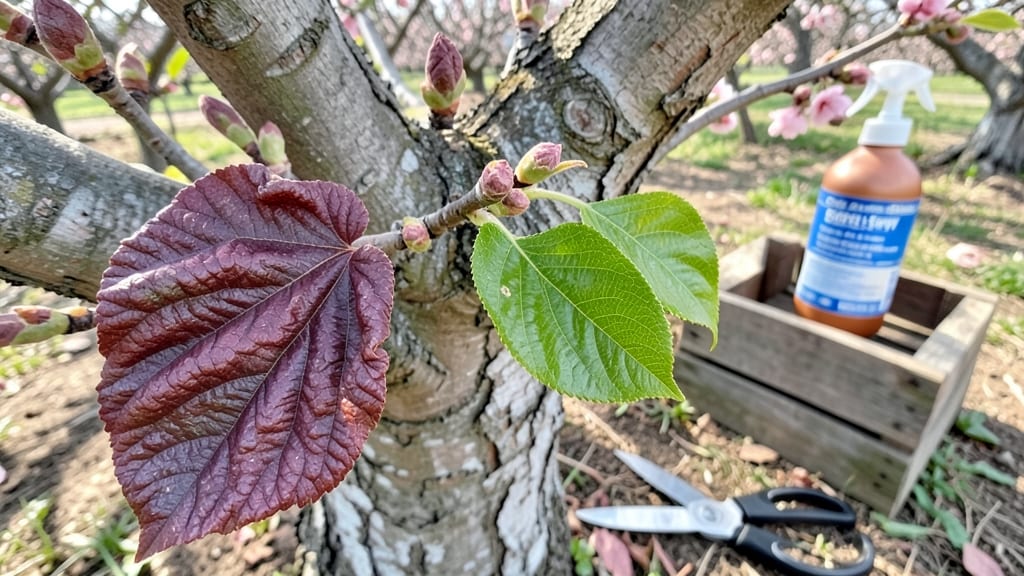
Your peach tree’s crinkled, curled leaves aren’t just unsightly—they’re a fungal red flag. 🌿 Leaf curl disease stunts growth, weakens fruit production, and spreads fast if ignored. The good news? Copper spray is your first line of defense, and I’ve used it to revive multiple trees in my own orchard.
The fungus thrives in wet springs, so timing matters. You’ll need to spray copper fungicide in late winter (before buds swell) and again after harvest. Prune infected branches immediately—don’t compost them—and focus on improving airflow around the tree.
Resistant varieties like ‘Redhaven’ or ‘Elberta’ can help long-term, but even they need protection. By late spring, you’ll see new leaves unfurling smooth and green. The trees rebound faster than you’d expect, and the fruit quality improves dramatically.
Copper works because it disrupts the fungus’s cell walls without harming bees or beneficial insects. This method works for home orchards, urban yards, or even container-grown peach trees. Let’s get those branches healthy again—your harvest depends on it.
Root Causes Of Leaf Curl
Peach tree leaf curl is a frustrating but manageable issue, often triggered by specific environmental and biological factors. Understanding why it happens is the first step toward prevention and treatment.
Below, we break down the primary causes—from fungal infections to seasonal stress—so you can take targeted action to protect your peach tree.
The most common cause of leaf curl in peach trees is the fungus Taphrina deformans. This pathogen thrives in cool, wet conditions and overwinters on infected buds or fallen leaves. When spring arrives, spores spread via wind or splashing rain, infecting new growth.
How it works:
- Dormant spores on buds or leaf litter germinate in early spring (typically 40–60°F temperatures).
- Moisture triggers spore release—rain or high humidity accelerates infection.
- New leaves become distorted as the fungus colonizes cells, causing thickened, curled, and often reddish or purple-tinged foliage.
Key risk factors:
- Mild, wet springs (ideal for spore germination).
- Poor air circulation around the tree (e.g., dense planting, overgrowth).
- Infected trees in the vicinity (fungus spreads easily between susceptible hosts like peaches, plums, and nectarines).
While fungi are the direct cause, environmental stressors weaken peach trees, making them more vulnerable to infection. These factors don’t cause leaf curl directly but create the perfect storm for fungal takeovers.
Seasonal triggers:
- Late frosts damage new growth, creating entry points for fungi.
- Extreme temperature swings (e.g., warm days followed by cold nights) stress the tree, reducing its ability to fight pathogens.
- Poor drainage keeps roots waterlogged, starving the tree of nutrients and weakening its defenses.
Soil and water issues:
- Compacted or clay-heavy soil limits root oxygen uptake, stressing the tree.
- Overhead irrigation (especially in the evening) promotes fungal spore germination on leaves.
Even with ideal growing conditions, certain gardening habits can inadvertently invite leaf curl. These mistakes create an environment where fungi flourish:
Common mistakes:
- Delayed pruning: Leaving infected branches or leaves on the tree (or in the yard) allows spores to overwinter and reinfect the next season.
- Over-fertilizing with nitrogen: While greener leaves may seem desirable, excessive nitrogen promotes soft, tender growth that’s easier for fungi to penetrate.
- Planting in low-lying areas: Poor airflow and prolonged leaf wetness (from morning dew or poor drainage) give fungi a competitive edge.
- Ignoring resistant varieties: Some peach cultivars (e.g., ‘Redhaven’ or ‘Elberta’) are more susceptible than others like ‘Reliance’ or ‘Sanguinole.’
Pro tip: 💡 If your tree is already infected, avoid pruning during wet weather—wait for dry conditions to minimize spore spread.
A peach tree fighting off pests, nutrient deficiencies, or root damage is far more likely to succumb to leaf curl. These underlying issues compromise the tree’s immune response:
Signs of a compromised tree:
- Yellowing leaves (chlorosis) from iron or zinc deficiency.
- Wilting or stunted growth due to root rot or borer damage.
- Excessive pest activity (e.g., aphids or mites), which can vector fungal spores.
- Thinning canopy from poor pruning or disease, reducing airflow.
Actionable fix: Conduct a soil test to check pH and nutrient levels. Peach trees prefer slightly acidic soil (pH 6.0–6.5) and benefit from balanced fertilization (e.g., 10-10-10) in early spring.
Fixing Peach Tree Leaf Curl Naturally
Leaf curl may seem like a hopeless battle, but with the right approach, your peach tree can bounce back—and stay healthy. The key is acting fast, combining preventive care with targeted treatments to stop the spread and restore your tree’s vigor.
Below, we map out practical solutions for each cause, from fungal infections to environmental stress, so you can tackle the problem head-on.
If your tree’s leaves are puckered, red, and curling due to Taphrina deformans, copper-based sprays are your best defense—but timing and technique matter.
🔥 Step 1: Apply Copper Spray at the Right Time
- When? Spray before buds swell in late fall or early winter (Nov–Dec) and again just as buds begin to open in early spring (Feb–Mar).
- Why? Copper disrupts the fungus’s life cycle before it infects new growth.
- Pro Tip: 🌡️ Avoid spraying when temps are below 40°F (4°C)—it’s less effective and can harm the tree.
🍳 Step 2: Mix the Spray Correctly
Use 1–2 tablespoons of copper fungicide per gallon of water (follow product labels).
Common options: - Bordeaux mixture (copper sulfate + hydrated lime) - Fixed copper fungicides (like Copper Soap or Copper Septicide) - Organic option: Copper-based sprays labeled for fruit trees (check for OMRI approval if organic).
👨🍳 Step 3: Spray Thoroughly (But Safely)
- Cover all surfaces: Focus on buds, twigs, and bark crevices—the fungus hides there.
- Use a pump sprayer for even coverage (avoid mist blowers, which can damage buds).
- Safety first: Wear gloves, long sleeves, and a mask—copper can irritate skin and lungs.
🥘 Step 4: Clean Up Infected Debris
- Remove all curled leaves and fallen debris from the base of the tree.
- Dispose of them in the trash (not compost)—fungus spores can survive in soil.
⏰ Step 5: Monitor and Repeat
- Reapply copper spray every 2–3 weeks during bud break if rain washes it off.
- Prevention tip: 💡 After harvest, spray dormant oil (fall) to smother overwintering spores.
If leaf curl is due to weather damage or poor soil health, the fix is simpler—but just as critical.
🌡️ Step 1: Protect Against Cold Snaps
- Mulch heavily (3–4 inches of wood chips) to insulate roots.
- Wrap young trees in burlap or tree guard in winter to block harsh winds.
- Pro Tip: ✨ Avoid over-pruning in late summer—new growth is more vulnerable to cold damage.
🍎 Step 2: Boost Soil Health
- Test your soil (pH should be 6.0–7.0 for peach trees).
- Amend with compost or a balanced fertilizer (10-10-10) in early spring.
- Add micronutrients: Leaf curl can signal zinc or magnesium deficiency—apply Epsom salt (magnesium sulfate) or a chelated zinc spray.
💪 Step 3: Improve Airflow and Light
- Thin out dense branches to reduce humidity (fungus thrives in damp, shaded areas).
- Plant in full sun—peach trees need 6+ hours of sunlight daily.
Once you’ve treated the issue, proactive care is your best insurance:
- 🔥 Prune in late winter (while dormant) to remove diseased wood.
- 🌡️ Water deeply but infrequently—wet leaves encourage fungal growth.
- 🎯 Choose resistant varieties like ‘Redhaven’ or ‘Elberta’ if leaf curl is recurrent.
- 🍂 Rotate sprays if using copper repeatedly (to prevent resistance).
Remember: Consistency is key. Leaf curl won’t disappear overnight, but with copper sprays, soil care, and smart pruning, your peach tree can recover—and thrive—next season. 🌱
Frequently asked questions
Can I use homemade remedies like baking soda or neem oil for peach tree leaf curl?
While baking soda or neem oil can help with some fungal issues, they're not effective against Taphrina deformans, the fungus causing leaf curl. Copper-based sprays remain the gold standard. You can use neem oil as a preventive spray in fall/winter (1% solution) to support tree health, but it won't cure active infections.
How long does it take to see improvement after treating leaf curl?
With proper copper treatments, you should see new, healthy leaves emerging within 4-6 weeks of initial spraying. Complete recovery may take 1-2 growing seasons, especially if the tree was severely infected. Consistency is key—don't skip applications during bud break.
Will leaf curl affect my peach harvest this year?
Mild infections may reduce fruit quality slightly, but severe cases can cause up to 50% yield loss if untreated. The good news? Copper treatments applied before bloom protect current season's fruit. Focus on removing infected branches and improving airflow to minimize impact.
Can I plant peach trees in my area if leaf curl is common?
Yes! Choose resistant varieties like 'Reliance' or 'Sanguinole' and implement preventive care. Plant in well-draining soil with full sun exposure, and apply copper spray annually. Many gardeners successfully grow peaches in leaf curl-prone regions using these strategies.
Why does my peach tree get leaf curl every year?
Recurrent infections usually mean spores overwinter on your tree or nearby debris. To break the cycle: 1) Remove all infected leaves/debris, 2) Apply copper spray before buds swell, and 3) Improve airflow with proper pruning. Consider dormant oil applications in fall to smother overwintering spores.