
Pruning
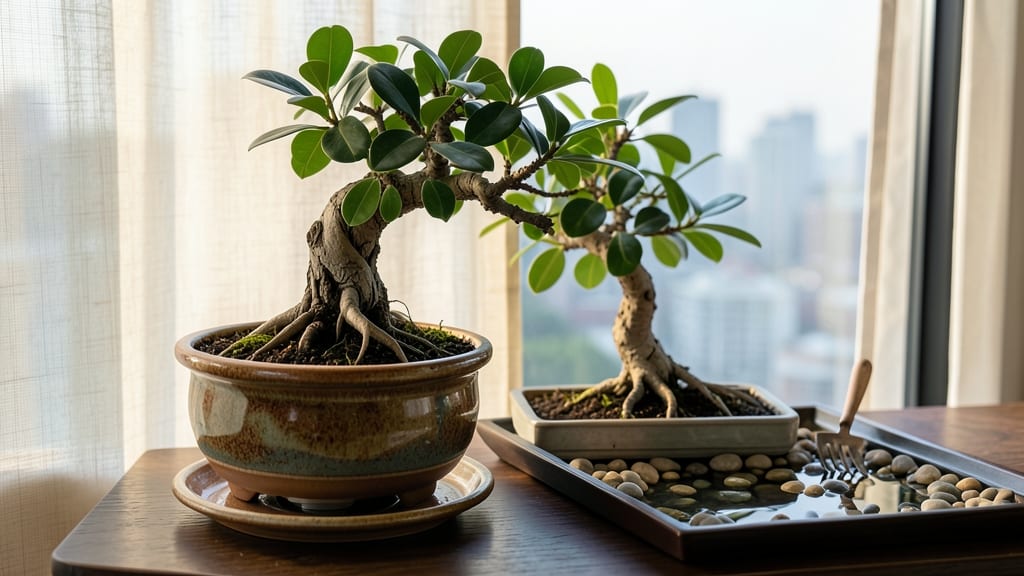
Transforming a cherished memory into a living tribute has never felt so meaningful. 🌿 These living urn tree options bring year-round beauty while honoring loved ones with evergreen elegance that grows with time.
The right container-grown tree creates a peaceful focal point that stays lush through every season, from frosty winters to golden autumns.
Japanese maples, dwarf citrus, and olive trees top the list for their compact growth and striking foliage. I’ve seen a 3-gallon olive tree thrive in a 15-gallon urn for over five years, its silver-green leaves adding texture to any patio.
These varieties need well-draining soil and occasional pruning to stay shaped—perfect for creating a memorial that’s both beautiful and low-maintenance.
Imagine pairing your urn tree with trailing ivy or seasonal blooms for added color. The urn itself becomes part of the design—whether stone, ceramic, or weathered wood—each choice tells a story. This isn’t just a plant; it’s a living legacy that evolves alongside your memories.
Start with a slow-growing variety to match your care level, and remember: the right urn should complement the tree’s natural shape. With proper sunlight and watering, your living urn will stand as a serene, ever-changing tribute for decades to come.
📚 In This Guide
- What you need
- Instructions
- Tips and common mistakes
- Wrapping up and next steps
What you need
- ● Tree or Plant: Evergreen options: Boxwood, Yew, Juniper, Arborvitae, or Cypress (choose a slow-growing variety for longevity).
- ● Size: 1–3 feet tall (potted or bare-root) for easier handling and shaping.
- ● Container: Large, durable pot or planter (minimum 12–18 inches in diameter and 12+ inches deep).
- ○ Optional: A decorative urn or planter with drainage holes (for aesthetic appeal).
- ● Soil: 1 bag (2–3 cubic feet) of high-quality potting mix (well-draining, peat-based, or cedar chip blend).
- ○ Optional: Perlite or sand (10–20% of soil mix) for extra drainage.
- ● Tools: Trowel or small shovel
- ● Pruning shears (sterilized with rubbing alcohol)
- ● Measuring tape or ruler
- ● Gloves (gardening or work gloves)
- ○ Memorial Additions (Optional but Meaningful): Engraved plaque or metal tag (weather-resistant)
- ● Small pebbles, sand, or decorative stones (for base layer)
- ● Biodegradable urn (if planting ashes directly into the soil—check local regulations).
- ● 🌡️ Climate Check: Pick a tree native to your USDA Hardiness Zone (e.g., Yew for cold climates, Boxwood for mild zones).
- ● ✨ Drainage Matters: Ensure your container has drainage holes—root rot is a silent killer! Add a 1-inch layer of gravel at the bottom.
- ● 🎯 Pruning Prep: Trim any damaged branches before planting to encourage healthy growth.
Step-by-step guide to selecting and planting living urn trees
Transform a memorial into enduring beauty with these evergreen options that thrive year-round.
🌱 Step 1: Choose the Right Evergreen Species for Your Climate
Selecting the perfect living urn tree starts with matching species to your hardiness zone. For zones 5-7, consider Thuja occidentalis 'Smaragd' (Emerald Green Arborvitae) or Juniperus chinensis 'Kaizuka'—both grow 12-15 feet tall with dense, columnar forms that hold urns beautifully. In zones 8-10, Cupressus macrocarpa 'Golden Spreader' or Chamaecyparis lawsoniana 'Ellwoodii' offer year-round color with minimal winter browning.
Here's the thing—avoid species prone to winter burn like Leyland cypress in colder zones. I always check the USDA Plant Hardiness Zone Map and add 1-2 zones as a buffer for young trees. For example, if you're in zone 6, opt for a zone 5-rated tree to ensure survival during early years when roots aren't fully established.
☀️ Step 2: Select a Sun Exposure That Matches the Species
Most urn-bearing evergreens thrive in full sun to partial shade, but placement determines growth habits. Thuja and Juniper varieties grow best in 6+ hours of direct sun daily, developing the dense, upright form ideal for urns. Chamaecyparis (false cypress) tolerates morning sun with afternoon shade, making it perfect for western exposures where afternoon heat scalds leaves.
Watch for these visual cues: if needles turn yellow or brown at the tips, your tree is getting too much sun; if growth slows dramatically, it needs more light. I always plant on the north side of a south-facing window or under a deciduous tree that provides summer shade but lets winter sun through.
🪴 Step 3: Prepare the Planting Site with Proper Drainage
Living urn trees hate soggy roots, so prepare the site with well-draining soil amended with 30% compost. Dig a hole twice as wide as the root ball but no deeper—planting too deep suffocates roots and causes stress. The top of the root ball should sit 1 inch above ground level to prevent water pooling.
For heavy clay soils, mix in 1 part perlite or coarse sand per 3 parts native soil to improve aeration. I always test drainage by filling the hole with water—if it doesn't drain within 30 minutes, add more organic matter. A slight mound of soil in the center helps create natural drainage channels.
🌿 Step 4: Plant and Stake for Stability
Remove the tree from its container and gently loosen roots that have circled the pot. Place it in the hole, backfilling with native soil mixed with compost. Water deeply to settle the soil, then add a 2-inch layer of mulch (avoid wood chips near the trunk—they can cause rot). Stake only if needed—most urn trees grow tall enough that wind becomes an issue within 2-3 years.
Here's where it gets tricky: don't bury the trunk flare (the swollen area at the base where roots emerge). This is the tree's lifeline, and covering it with soil invites disease. After planting, water again until moisture reaches 12 inches deep—you'll see water running out of the drainage holes as your signal.
⏰ Step 5: Establish a Watering and Fertilizing Routine
Water newly planted trees 2-3 times weekly for the first 6-8 weeks, keeping soil consistently moist but not waterlogged. After that, reduce to once weekly during dry spells, checking moisture by pushing a screwdriver into the soil—if it meets resistance at 2 inches deep, it's time to water.
Fertilize in early spring with a slow-release, balanced 10-10-10 fertilizer spread evenly around the root zone. I avoid high-nitrogen fertilizers—they promote leafy growth at the expense of structural strength. For established trees, a layer of compost in spring provides nutrients without risk of overfeeding.
Tips & tricks for perfect living urn tree plantings
These evergreen essentials will help you create a lasting memorial that thrives for years to come.
Species Selection Strategy: When choosing between Thuja and Juniper varieties in zones 5-7, consider the mature height in your space. Thuja 'Smaragd' grows to 12-15 feet, perfect for larger urns, while Juniper 'Kaizuka' stays slightly more compact at 10-12 feet—ideal for smaller memorial containers. For zones 8-10, Cupressus 'Golden Spreader' develops a broader canopy, creating a natural umbrella effect that protects urns from harsh afternoon sun. I always measure the space where the urn will sit before purchasing to ensure proper proportions.
Sunlight Optimization: The 6+ hours of direct sun requirement for Thuja and Juniper isn't just about sunlight—it's about creating the dense, upright growth that supports urn weight. If your location only gets morning sun, consider planting near a south-facing wall that reflects light throughout the day. For Chamaecyparis varieties, that morning sun with afternoon shade is crucial—afternoon heat can scorch delicate needles, especially during summer months. I've seen beautiful specimens thrive under deciduous trees that provide summer shade but allow winter sun penetration.
Drainage Test: That 30-minute drainage test in Step 3 is non-negotiable. I've seen too many memorial plantings fail because of poor drainage. If water doesn't drain within 30 minutes, you're dealing with heavy clay soil that will suffocate roots. For extreme cases, create a raised bed with a 6-inch layer of gravel at the bottom before adding your amended soil mix. This creates a natural drainage layer that prevents waterlogging while still allowing roots to establish properly.
Mulching Wisdom: The 2-inch mulch layer serves three critical purposes: moisture retention, temperature regulation, and weed suppression. Use pine straw or shredded hardwood mulch (avoid cedar chips—they can inhibit growth). Keep mulch 2-3 inches away from the trunk to prevent moisture buildup that leads to rot. I always refresh the mulch layer in early spring, adding a thin layer to replace what decomposed over winter. This simple maintenance keeps your memorial looking pristine year after year.
Pro Tips for Living Urn Tree Options
- These evergreen essentials will help you create a lasting memorial that thrives for years to come.
- Species Selection Strategy: When choosing between Thuja and Juniper varieties in zones 5-7, consider the mature height in your space.
- Sunlight Optimization: The 6+ hours of direct sun requirement for Thuja and Juniper isn't just about sunlight—it's about creating the dense, upright growth that supports urn weight.
Frequently asked questions
What types of trees are best for living urns?
Fast-growing, compact trees like Dwarf Alberta Spruce, Japanese Black Pine, or Dwarf Hinoki Cypress thrive in urns. Choose evergreens for year-round greenery or deciduous options like Dwarf Flowering Cherry for seasonal color. Ensure the species matches your climate and sunlight conditions.
How long does it take for a tree to grow in a living urn?
Growth varies by species, but most dwarf trees take 3–5 years to reach maturity in a 15–20 gallon urn. Regular pruning (2–3 times per year) encourages denser growth. Patience is key—some trees may take up to a decade for full development, depending on care and conditions.
What’s the best way to care for a living urn tree?
Keep soil moist (not soggy) and use well-draining potting mix. Fertilize lightly in spring/summer with slow-release granules. Place in partial shade to protect from harsh sun, and prune dead branches annually. Winter care: Move urns indoors or wrap in burlap if temperatures drop below freezing.
Are living urns more expensive than traditional urns?
Initially, yes—a quality living urn with a tree can cost $150–$500+, depending on size and species. However, they’re a long-term investment: no replacement costs, and they offer ongoing beauty. Compare to traditional urns ($50–$300) plus annual maintenance (e.g., flowers, candles).
Can I plant a living urn tree outdoors permanently?
Yes, but with precautions! Use a large urn (30+ gallons) for stability, and bury it halfway in the ground to anchor it. Choose a sheltered spot to avoid wind damage. Monitor soil moisture closely—outdoor urns dry out faster. Pro tip: Elevate urns on a stand to prevent water pooling.
What if my tree turns brown or looks unhealthy?
Brown needles or wilting often signal overwatering, underwatering, or pests. Check soil moisture (top 2 inches should be dry) and inspect for spider mites or aphids. Trim affected branches and adjust care. If issues persist, consult a local nursery—some trees may need repotting or species-specific treatments.
Wrapping up and next steps
Choosing a living urn tree as a lasting tribute is a meaningful way to honor a loved one while embracing nature’s beauty year-round. From fragrant Lavender to resilient Juniper, these evergreen options blend symbolism with practical care—perfect for gardens, balconies, or memorial spaces.
Whether you’re a seasoned gardener or just starting, the key is selecting a tree that aligns with your climate, maintenance style, and emotional connection.
Ready to plant a living legacy? Start small: research your local climate, pick a tree that resonates with you, and take the first step toward nurturing a green memorial. Your loved one’s memory will grow—and so will you! 🌱💚