
Pruning
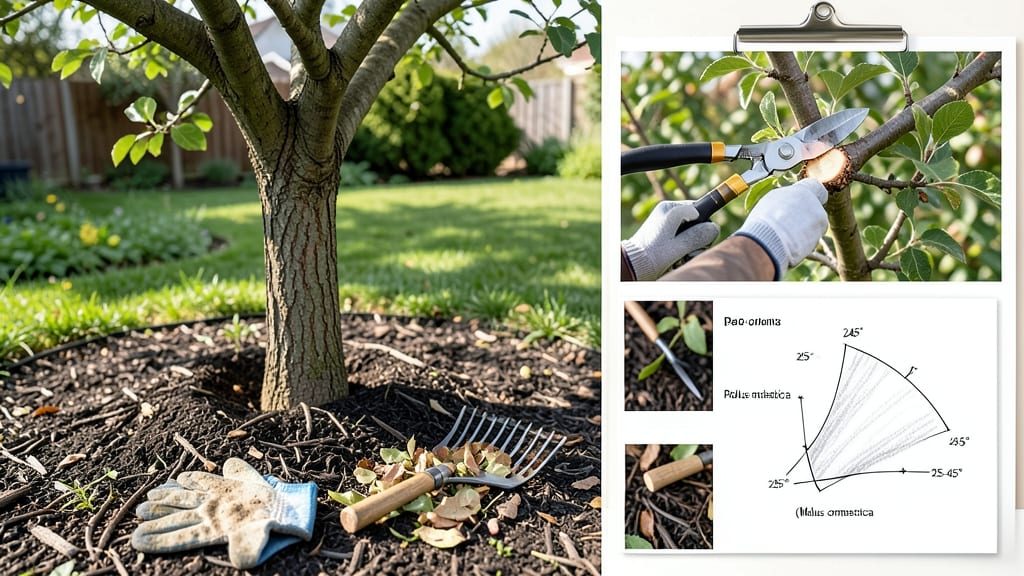
To trim apple tree branches at the right time means the difference between a bountiful harvest and a struggling 🍎 — and the best window opens in late winter or early spring, when the tree is dormant but ready to respond.
Picture this: You’ve spent years nurturing your apple tree, only to watch it produce fewer fruits than expected after a pruning session. That’s often because gardeners miss the critical timing when the tree’s energy is focused on regrowth, not just survival.
The wrong cut at the wrong time can weaken branches, invite disease, or even reduce next year’s fruit set.
In this guide, I’ll walk you through the science-backed schedule for pruning your apple tree, including why late winter or early spring is the gold standard for most regions — and how to adjust for summer trimming if needed.
You’ll also learn the tools to use, the cuts to avoid, and how to shape your tree for maximum fruit production without sacrificing its health.
Whether you’re a first-time orchardist or a seasoned gardener, these insights will help you trim with confidence — so you can enjoy a tree that thrives, not just survives.
Optimal apple tree pruning seasons: month-by-month guide for fruit production
Timing your apple tree pruning correctly is the difference between a bountiful harvest and a struggling tree. Most gardeners focus on dormant-season pruning in late winter, but summer pruning also plays a crucial role in shaping your tree and maximizing fruit production.
The key is understanding how temperature, moon phases, and regional climates influence when to trim.
In colder climates like USDA Zone 5-6, prune when temperatures stay consistently below 40°F to prevent disease entry through fresh cuts. Warmer zones (Zone 7+) can prune slightly later, but avoid extreme heat or frost periods.
Even the moon's waxing phase can influence sap flow—pruning during this time encourages upward growth, ideal for fruit-bearing branches.
Here’s your month-by-month breakdown, including ideal conditions and regional adjustments to ensure healthy regrowth and abundant fruit development.
| Season | Best Time | Temperature Range | Moon Phase | Regional Adjustments |
|---|---|---|---|---|
| Dormant Season | Late Winter (Jan-Feb) | Below 40°F (4°C) | Waning crescent | Zone 5-6: Feb-Mar; Zone 7+: Mar-Apr |
| Early Spring | March-April | 35-50°F (2-10°C) | Waxing gibbous | Avoid if frost is forecasted |
| Summer | June-July | 60-85°F (15-29°C) | Full moon | Prune after harvest to avoid stress |
| Late Summer | August-Sept | 55-75°F (13-24°C) | Waning crescent | Stop by mid-Sept to harden wood |
Late winter pruning (January-February) is the most critical time for structural shaping and removing dead or diseased wood. This is when your tree’s dormant season allows it to heal quickly once temperatures rise.
Aim for 35-50°F (2-10°C) and prune on a waning crescent moon to minimize sap loss and encourage strong regrowth.
In USDA Zone 5-6, wait until late February or early March when the ground is thawed but before buds swell. For Zone 7+, shift pruning to March-April to avoid late frosts. Always prune 2-3 weeks before the last expected frost to let wounds seal before new growth begins.
Summer pruning (June-July) focuses on fruit production and air circulation. Thin out overcrowded branches to improve sunlight exposure and reduce disease risk. Prune during the full moon for optimal healing, and avoid trimming after mid-August to prevent new growth that won’t harden before winter.
For young apple trees (under 3 years), prioritize open-center shaping to create a strong scaffold. Older trees benefit from renewal pruning—removing older branches to stimulate younger, more productive wood. Always use sterilized pruners to prevent spreading fire blight or other diseases.
Regional adjustments are key: In humid climates, prune during dry spells to reduce fungal risks. In arid zones, water deeply the day before pruning to minimize stress. And if you’re in a coastal area, account for milder winters—prune slightly later to avoid wet, disease-prone conditions.
Pro tip: Mark your pruning calendar with local frost dates and moon phases. A digital garden journal helps track yearly adjustments. For example, if your last frost shifts earlier each year, adjust your pruning window accordingly to stay ahead of the season.
Remember, pruning isn’t just about cutting—it’s about encouraging growth in the right places. By following this schedule, you’ll train your apple tree to produce larger, healthier fruit while keeping it disease-resistant and structurally sound for decades.
Critical mistakes to avoid when trimming apple tree branches
Pruning your apple tree incorrectly can turn a healthy harvest into a disease-ridden disappointment. Even well-intentioned cuts can weaken branches, reduce fruit quality, or invite pests if done wrong. The key is avoiding these common pruning mistakes that compromise your tree’s long-term health.
Many gardeners make the same errors—like cutting at the wrong angle or removing too much at once. These pruning blunders often stem from a lack of understanding about how apple trees heal and grow.
For example, improper cuts can leave open wounds that take years to seal, making your tree vulnerable to infections like fire blight or silver leaf fungus.
Never prune your apple tree during active fruit set (late spring to early summer). This stresses the tree when it’s already diverting energy to fruit development. Instead, focus on dormant-season pruning (late winter to early spring) when the tree is resting and wounds heal faster. If you must prune in summer, do so immediately after harvest to avoid disrupting next year’s flower buds.
One of the biggest mistakes is over-pruning, where gardeners remove more than 25% of the tree’s canopy in a single session. This shocks the tree, leaving it energy-depleted and susceptible to pests.
A good rule of thumb is to never remove more than 3-4 branches per year from a mature apple tree, unless it’s a major structural prune to correct growth habits.
Another critical error is making flared cuts instead of clean, slanted cuts. Improper cuts create entry points for diseases and stagnant water, which can rot the branch.
Always cut at a 45-degree angle, just outside the branch collar (the swollen area where the branch meets the trunk). This encourages faster healing and callus formation.
Timing also plays a role in fruit quality. Pruning too late in spring can delay flowering or reduce fruit size, while pruning too early in winter (before dormancy) can expose the tree to cold damage.
Aim for February to early March in most climates, or right after harvest in summer for light maintenance.
Finally, avoid topping your apple tree—cutting the main trunk to reduce height. This creates a weak, bushy growth pattern that’s prone to breakage and poor fruit production.
Instead, focus on selective branch removal to improve airflow and sunlight penetration. Proper pruning should open the canopy while maintaining a strong, balanced structure.
By steering clear of these pruning pitfalls, your apple tree will thrive with healthier branches, better fruit quality, and fewer pests. Always sterilize tools between cuts to prevent spreading disease, and step back to assess the tree’s shape after pruning.
A little patience and precision go a long way in orchard care! ✂️🌳🍏