
Pruning
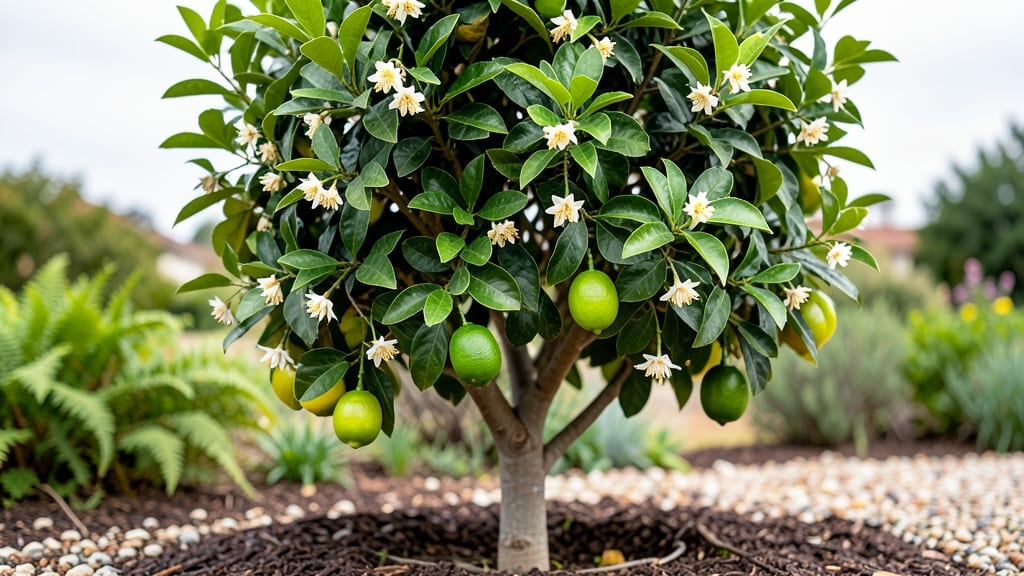
Your lime tree’s future depends on knowing its zone—lime trees thrive in USDA zones 9–11, but with the right tricks, you can grow them in colder areas too. 🌿 I’ve watched my Persian lime survive winters in zone 8 by bringing it indoors, and the key is understanding how cold tolerance varies by variety and microclimate.
Standard lime trees (like Meyer limes) handle brief dips to 25°F, but most varieties need 40°F+ to avoid frost damage. Dwarf limes, though smaller, are just as sensitive—so if you’re in zone 7 or colder, plan for winter protection like frost cloth or a heated garage.
The payoff? Juicy, fragrant fruit year after year, even in unexpected climates.
Pruning isn’t just about shaping—it’s about directing energy where it counts. In warmer zones, prune lightly after harvest to encourage new growth, while colder-zone trees need a harder cutback before winter to protect tender wood. You’ll see stronger branches, more blossoms, and fruit that ripens faster than you expect.
Whether you’re in Florida or Massachusetts, lime trees adapt with the right care. The secret lies in matching your variety to your microclimate—sunny spots, windbreaks, and indoor overwintering can push your growing zone by 2–4 zones. Let’s get your tree thriving in its perfect spot!
📚 In This Guide
- What you need
- Instructions
- Tips and common mistakes
- Wrapping up and next steps
What you need
- ● Pruning shears – Sharp, bypass-style shears (for clean cuts on small branches). Size: 6-8 inches.
- ● Loppers – For thicker branches (1-2 inches in diameter). Size: 18-24 inches with ratcheting or bypass blades.
- ● Pruning saw – For branches over 2 inches thick. Type: Curved-tooth saw for clean cuts.
- ● Disinfectant – 70% isopropyl alcohol or a pruning sealant (to prevent disease spread).
- ● Gloves – Heavy-duty, cut-resistant gloves (protects from thorns and sap).
- ● Ladder or step stool – For reaching higher branches safely. Height: Adjustable to 10+ feet.
- ● Heavy-duty trash bags – For collecting pruned branches and debris.
- ○ Marking twine or flags – To tag branches for removal (optional but helpful for planning).
- ● Pruning paint/sealant – For sealing large cuts (prevents disease entry).
- ● Extension pole saw – For high branches without a ladder.
- ● Work apron – Keeps tools organized and protects clothing.
- ● Safety goggles – Protects eyes from debris (especially when using a saw).
- ● Notebook & pen – To sketch your lime tree’s structure before pruning.
Step-by-Step guide to pruning lime trees for optimal growth
Pruning transforms a wild, tangled lime tree into a productive, healthy fruit-bearing powerhouse.
✂️ Step 1: Identify the Right Time to Prune
Lime trees thrive when pruned during their dormant season, which is late winter or early spring before new growth begins. For most climates, this means pruning in February or March—just as buds swell but before leaves emerge. If you're in a warmer zone where lime trees grow year-round, prune after harvest in late summer.
I always check for new leaf buds along the branches—when they're still tight and haven't started opening, it's time. Pruning at the wrong time stresses the tree and can lead to disease or weak growth. If you must prune outside this window, do it during dry weather to minimize infection risk.
☀️ Step 2: Assess the Tree's Structure and Health
Start by examining the tree's overall shape. Look for dead, diseased, or crossing branches—these are your top priorities. Dead branches snap easily when bent, while diseased ones may have discolored bark, oozing sap, or fungal growth. Crossing branches compete for sunlight and nutrients, weakening both.
Next, identify the tree's central leader—the main vertical trunk or branch that should guide growth upward. If the tree has multiple leaders fighting for dominance, you'll need to prune all but one to maintain a strong structure. I like to step back and visualize the tree's shape from all sides before making any cuts.
✂️ Step 3: Remove Problem Branches First
Use sharp, clean pruning shears to make your first cuts—always cut just outside the branch collar, the swollen area where the branch meets the trunk. For small branches under ½ inch thick, hand pruners work perfectly. For thicker branches, use loppers or a pruning saw, cutting at a 45-degree angle about ¼ inch above a bud.
Start with the obvious problems: dead wood, diseased branches, and any that cross or rub against others. I make these cuts first because they're the easiest to spot and remove. Never leave stubs—they invite disease and rot. If a branch is too large to cut in one go, make a notch on the underside first to control the cut and prevent tearing.
🌿 Step 4: Thin and Shape the Canopy
Now focus on thinning the canopy to improve airflow and sunlight penetration. Remove about 20% of the tree's foliage by selectively pruning branches that grow inward or downward. Aim to create an open, vase-like shape that allows light to reach the center. Lime trees produce fruit on new growth, so you want plenty of sunlight reaching the inner branches.
I like to work from the outside in, starting with the outer branches and moving toward the center. Watch for branches that grow directly upward—these often become weak and break under fruit weight. Instead, encourage horizontal branches by cutting just above an outward-facing bud. This creates a stronger structure that supports more fruit.
🪴 Step 5: Clean Up and Monitor Recovery
After pruning, clean your tools with rubbing alcohol to prevent spreading disease. Collect and dispose of all pruned branches—don't leave them on the ground, as they can harbor pests or diseases. I also apply a copper fungicide to any large cuts to protect against infection, especially if your climate is humid.
In the weeks following pruning, keep an eye on the tree. Healthy new growth should appear within 4-6 weeks, and you'll notice more light reaching the inner branches. If the tree looks stressed—leaves yellowing, wilting, or excessive sap—it may have been over-pruned. Next time, aim for smaller cuts and less aggressive thinning.
Tips & tricks for pruning lime trees like a pro
Here's what nobody tells you about pruning lime trees—these tricks will turn your tangled mess into a thriving fruit machine.
Timing is Everything: The February-March window isn't just arbitrary—it's when your lime tree naturally prepares for spring growth. If you're in a warmer climate where lime trees grow year-round, pruning after harvest (late summer) prevents stressing the tree during its fruiting cycle. I've seen trees recover beautifully after summer pruning, but they produce slightly fewer fruits the following season. The trade-off is worth it for a healthy tree!
Branch Collar Matters: When making cuts in Step 3, never cut flush with the trunk—always leave the branch collar intact. This swollen area protects the tree from disease by sealing the wound naturally. I've made this mistake before (yes, I've left stubs), and those cuts took months to heal properly. If you're unsure where the collar is, look for the slight swelling where the branch meets the trunk—it's your guide for perfect cuts.
Canopy Thinning Strategy: That 20% foliage reduction in Step 4 isn't just a number—it's about creating airflow. I like to think of it as giving your tree a spa day. Remove branches that grow inward first, then work your way to the center. This creates that open vase shape that lets sunlight reach all parts of the tree. Pro tip: If you're unsure which branches to cut, hold your pruners near the branch and visualize how it affects the tree's shape from all sides before making the cut.
Recovery Watch: Those 4-6 weeks of monitoring in Step 5 are crucial. Healthy new growth should appear within that window, and you'll notice leaves becoming lighter in color as more sunlight reaches the inner branches. If you see excessive sap or yellowing leaves, you might have been too aggressive. Next time, aim for smaller cuts and less thinning—your tree will thank you with better fruit production.
Pro Tips for Lime Tree Zone
- Here's what nobody tells you about pruning lime trees—these tricks will turn your tangled mess into a thriving fruit machine.
- Timing is Everything: The February-March window isn't just arbitrary—it's when your lime tree naturally prepares for spring growth.
- Branch Collar Matters: When making cuts in Step 3, never cut flush with the trunk—always leave the branch collar intact.
Frequently asked questions
Got questions about keeping your lime tree in top shape? Here are some common ones—and their answers—to help you navigate the lime tree zone with confidence!
When is the best time to prune my lime tree?
The ideal time is late winter or early spring (just before new growth starts) for most lime trees. In warmer climates (like USDA Zones 9-11), you can prune lightly after harvest. Avoid heavy pruning in summer—it stresses the tree. Pro tip: If you’re in frost-prone areas, wait until after the last frost!
How much can I trim without hurting my lime tree?
Never remove more than 25-30% of the canopy in one session. Over-pruning can shock the tree, reduce fruit production, and invite pests. Focus on shaping, removing dead wood, and thinning crowded branches. For young trees, light pruning (10-15%) is enough to encourage strong growth.
What if my lime tree isn’t fruiting after pruning?
Lime trees need sunlight, proper nutrients, and patience—pruning alone won’t guarantee fruit. Check for these issues:
- Light: Ensure it gets 6+ hours of sun daily.
- Water: Deep watering (1-2 inches/week) is key, especially in hot zones.
- Fertilizer: Use a citrus-specific fertilizer in early spring.
- Age: Young trees (under 3 years) may not fruit yet—be patient!
Can I prune a lime tree in the fall?
Light pruning (removing dead or diseased branches) is fine in fall, but avoid heavy cuts—it can stimulate new growth that won’t harden off before winter. If you must prune, do it 6-8 weeks before the first frost to allow wounds to heal. In mild climates (like Zone 10+), minimal pruning is okay.
What if my lime tree has no leaves after pruning?
Don’t panic! Lime trees may drop leaves after pruning as they adjust. If it’s sparse or yellowing, check for:
- Underwatering: Lime trees hate soggy soil but also dry roots.
- Pests: Look for aphids, scale, or mites on stems.
- Cold damage: Frost can scorch leaves—mulch helps!
Are there alternatives to traditional pruning for lime trees?
Yes! Try these low-stress methods:
- Thinning cuts: Remove entire branches at the base (not just snipping tips) to improve airflow.
- Fruit thinning: Leave 5-6 inches between fruit to avoid overburdening the tree.
- Directional pruning: Train branches to grow outward (not inward) for a natural shape.
Wrapping up and next steps
Mastering the art of pruning your lime tree in the Lime Tree Zone can transform your citrus grove into a thriving, productive haven! 🌿 The key takeaway? Timing, technique, and tools are your best friends—whether you’re shaping young branches, reviving overgrowth, or preparing for seasonal shifts.
With the right approach, you’ll not only boost fruit yield but also ensure your tree stays healthy and resilient year after year.
Ready to take the next step? Grab your pruners, mark your calendar for the ideal pruning window, and observe your lime tree’s growth like a pro! Happy pruning—your citrus harvest will thank you! 🍋✨