
How To
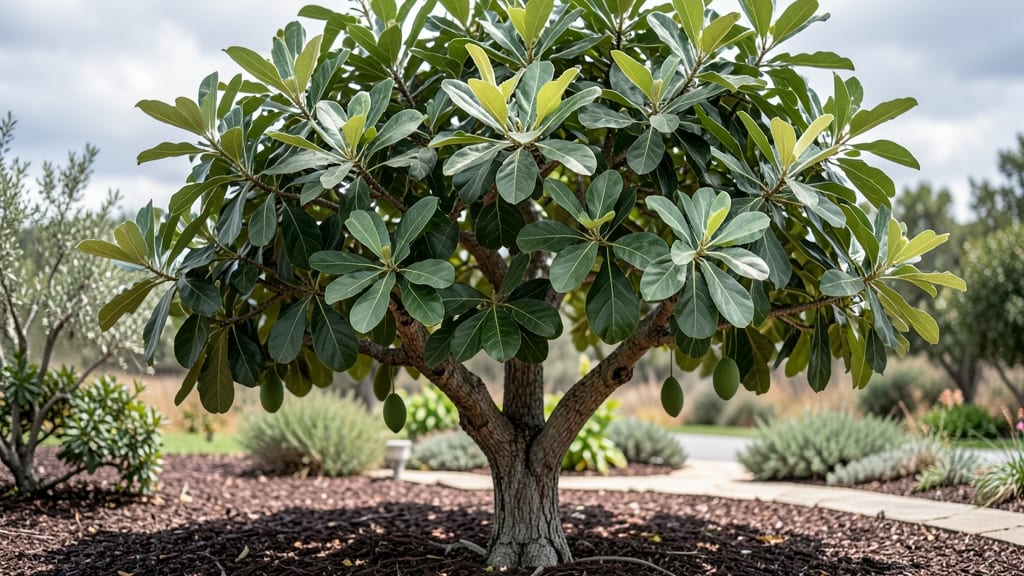
If you’re wondering how tall an avocado tree grows, the answer depends on the variety and growing conditions—because these tropical giants don’t just sprout overnight. 🥑 A seedling might start small, but within a few years, it can shoot up faster than you expect, especially in warm climates like zones 9-11.
Avocado trees mature to heights of 20 to 80 feet, so if you’re dreaming of a backyard harvest, plan for a long-term commitment.
If you’ve ever dreamed of harvesting fresh avocados straight from your backyard, understanding how tall avocado trees grow is your first step—because these tropical giants don’t just sprout overnight.
Some varieties, like the popular Hass, reach 30 to 50 feet in ideal conditions, while others—like the dwarf 'Wurtz'—stay manageable at 10 to 15 feet. The key difference? Soil quality, sunlight, and whether you’re growing it in-ground or in a container.
In this guide, I’ll break down the height stages by variety, how climate zones affect growth, and 5 pro tips to control size while maximizing fruit production—so you can enjoy homegrown avocados without sacrificing your yard.


Avocado tree height growth stages by variety: from seedling to mature tree
Avocado trees are stunning tropical plants, but their growth journey from a tiny seedling to a towering fruit-bearing giant is anything but linear. Understanding the height milestones by variety helps you plan for space, pruning needs, and even container gardening.
Whether you're growing a Hass avocado or a Fuerte variety, each stage offers unique challenges and rewards.
The first 3 years are critical—this is when your avocado tree establishes its root system and decides whether it’ll become a dwarf variety or a standard-sized tree. In ideal conditions, a seedling can shoot up 1-3 feet in its first year, but container-grown trees grow slower.
Meanwhile, in-ground tropical trees might reach 5-10 feet by year one if given perfect conditions.
| Variety | Year 1 Height (ft) | Year 3 Height (ft) | Mature Height (ft) | Time to First Fruit |
|---|---|---|---|---|
| Hass (Standard) | 5-10 ft (in-ground) | 20-30 ft | 40-60 ft | 5-7 years |
| Fuerte | 6-12 ft (in-ground) | 30-40 ft | 50-80 ft | 6-8 years |
| Wurtz (Dwarf) | 1-2 ft (container) | 6-10 ft | 10-15 ft | 3-5 years |
| Bacon | 3-6 ft (in-ground) | 15-20 ft | 30-40 ft | 4-6 years |
| Lamb Hass (Semi-Dwarf) | 4-8 ft (container) | 15-25 ft | 25-35 ft | 4-6 years |
If you’re growing a Hass avocado from seed, expect slower growth initially—these trees often take 5-7 years to bear fruit. In contrast, grafted varieties like Fuerte or Bacon hit their juvenile stage faster and may produce fruit in as few as 3-4 years.
The key difference? Grafted trees skip the unpredictable seedling phase and inherit the parent plant’s growth traits.
During the juvenile stage (years 3-5), your avocado tree will undergo its most rapid vertical growth. A Fuerte variety can add 10-20 feet per year if conditions are perfect, while a dwarf variety like Wurtz might only grow 2-4 feet annually.
This stage is also when you’ll notice the tree’s crown structure developing—critical for future pruning decisions.
By year 5, most avocado trees enter their mature stage, where growth slows but fruit production ramps up. A standard Hass can reach 40-60 feet, while a Fuerte might top out at 50-80 feet.
If you’re growing in a container, expect stunted growth—even a dwarf variety like Wurtz will max out at 10-15 feet unless you transplant it to the ground later.
One common misconception is that all avocado trees grow equally tall. In reality, dwarf varieties are bred specifically to stay under 15 feet, making them ideal for urban gardens or patios.
Meanwhile, standard varieties like Fuerte can become towering giants, requiring regular pruning to manage height and improve fruit accessibility. Always check the variety’s growth habit before planting!
Climate plays a huge role in height potential. In USDA zones 9-11, avocado trees thrive outdoors year-round, reaching their full height potential. But in cooler zones (6-8), even dwarf varieties may struggle to exceed 10 feet unless grown in containers and moved indoors during winter.
Microclimates—like a sunny patio or greenhouse—can extend the growing season and boost height.
To encourage healthy growth, focus on well-draining soil, full sun exposure, and consistent watering during the first 2 years. Avoid over-fertilizing with nitrogen, which promotes leafy growth at the expense of fruit production.
Instead, use a balanced fertilizer (like 6-6-6) to support steady height increases while preparing the tree for fruiting.
If you’re worried about your avocado tree outgrowing its space, don’t panic—pruning can control height without sacrificing fruit yield. The best time to prune is in late winter or early spring, before new growth begins.
Just remember: every cut you make now affects the tree’s future height and structure, so plan carefully!
Climate zones that affect avocado tree height: cold tolerance and optimal growth
Your avocado tree's height isn't just about genetics—it's heavily influenced by your USDA climate zone. In zones 9-11, where frost is rare, these trees can reach their full 40-80 ft potential, while colder zones like zone 8 may stunt growth to 15-25 ft without protection.
The key difference lies in cold tolerance and how varieties adapt to seasonal temperature shifts.
In California's coastal zones (9-10), avocados thrive year-round, growing taller due to consistent warmth and well-draining soil. Meanwhile, Florida's humid subtropical zone (10-11) sees faster vertical growth but requires disease-resistant varieties like Hass to combat fungal pressures.
The microclimate—whether near the ocean or inland—can add 5-10 ft to a tree's height potential.
If you're in zone 8 or colder, consider dwarf varieties like 'Wurtz' or 'Bacon', which max out at 10-15 ft even with winter protection. These varieties are grafted onto dwarfing rootstock, limiting their height while maintaining fruit production.
In zone 9-10, standard varieties like 'Hass' or 'Fuerte' will reach their full height if given space, but pruning can keep them under 20 ft for urban gardens.
For coastal California growers, the Pacific Ocean breeze can actually reduce height by 10-15% due to salt spray and wind pruning. In contrast, Florida's inland zones see taller trees because of higher humidity and less wind stress.
Always test your soil's pH—avocados prefer 6.0-7.0, and acidic soil in zones 10-11 can stunt growth by up to 30%.
To maximize height in colder zones, use black plastic mulch in winter to insulate roots and circular drip irrigation to encourage deep rooting. In zone 11, shade cloth during peak summer can reduce leaf scorch and slow excessive height growth.
Remember: container-grown trees in zones 6-8 will always stay shorter than in