
How To
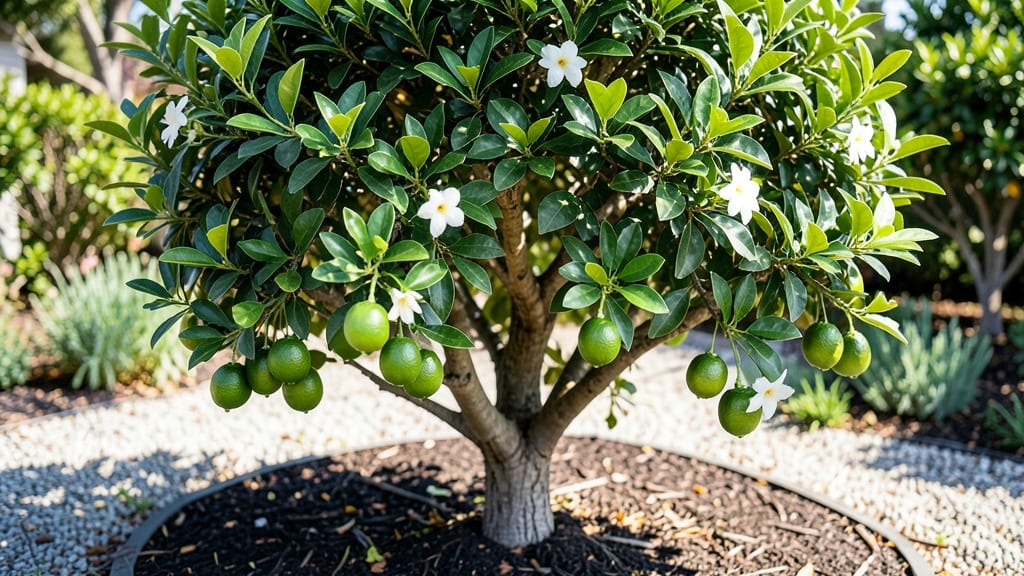
A key lime tree can grow anywhere from 6 to 20 feet tall, depending on its variety and care—so yes, you can keep it compact with the right approach.
If you’re dreaming of fresh key limes but worry about a sprawling tree ruining your backyard, you’ll love this: many key lime trees stay under 8 feet when pruned regularly or grown in containers. The secret? It’s all about variety, pruning, and where you plant it.
Standard key lime trees (Citrus aurantiifolia) typically reach 15 to 20 feet in tropical climates like Florida or Hawaii, but dwarf or semi-dwarf varieties—like those grafted onto compact rootstock—can stay as short as 6 to 12 feet.
Even in small spaces, with proper care, you can enjoy homegrown limes without sacrificing yard space.
Below, I’ll break down how to control your tree’s height, the best varieties for small gardens, and simple pruning tips to keep it manageable—so you can enjoy those tangy limes without the towering tree.


Key lime tree height: average growth ranges by variety and conditions
Key lime trees (Citrus aurantifolia) are tropical beauties that can dramatically vary in size based on their variety and growing conditions. While the standard key lime often reaches 15-20 feet in ideal climates, many gardeners grow dwarf or grafted varieties that stay under 8 feet.
Understanding these growth ranges helps you plan for the perfect spot in your garden or patio.
The natural height of a key lime tree depends on whether it's grown from seed or grafted. Seed-grown trees tend to reach their full mature height of 15-20 feet if given enough space and sunlight.
However, grafted dwarf varieties, like those commonly sold in nurseries, are genetically modified to stay much shorter—often between 6-10 feet—making them ideal for containers or small yards.
Climate plays a huge role in how tall your key lime tree grows. In USDA Zones 10-11, where winters are mild, trees thrive and can reach their maximum height more quickly. But in cooler climates, like Zone 9 or even as a houseplant, growth slows significantly, keeping trees under 8 feet unless you provide extra care like winter protection or container growing.
Here’s a quick comparison of how different growing conditions affect your key lime tree’s height:
| Variety/Type | Mature Height Range | Growing Conditions | Best For |
|---|---|---|---|
| Standard (Citrus aurantifolia) | 15–20 feet | Outdoor, full sun, warm climates | Large gardens, rural properties |
| Grafted Dwarf | 6–10 feet | Containers, small yards, partial shade | Patios, balconies, urban gardens |
| Seed-Grown | 10–15 feet (varies) | Outdoor, tropical/subtropical climates | Homesteads, larger backyards |
| Container-Grown | 4–8 feet (pruned) | Large pots, indoor/outdoor movement | Small spaces, renters, winter protection |
If you’re growing your key lime tree in a container, expect it to stay 4-8 feet tall with regular pruning. Containers naturally restrict root growth, which slows height increases.
I’ve seen 5-gallon pots keep trees under 6 feet for years, while 15-gallon containers allow for 8-foot trees with proper care.
Pruning is your best tool for controlling height. By cutting back new growth in late winter or early spring, you encourage a bushier shape and prevent vertical sprawl. I recommend pruning 1/3 of the canopy annually to maintain a compact form. Just avoid heavy pruning in summer, as this can stress the tree when it’s already fruiting.
Another factor is sunlight exposure. Key lime trees need 6+ hours of full sun daily to grow at their optimal rate. In partial shade, growth slows, and trees may stay under 10 feet even if ungrafted.
If you’re in a cooler climate, like Zone 9, supplement with a grow light in winter to keep your tree healthy and compact.
For small-space gardening, consider Bearss lime or Mexican lime varieties, which are naturally more compact. These grafted trees often stay under 8 feet and produce abundant fruit despite their size.
I’ve grown a Bearss lime in a 10-foot-tall container on my patio for years—it’s now 7 feet tall and loaded with limes!
Remember, even standard key lime trees can be managed with regular pruning and container growing. With the right approach, you can enjoy fresh key limes without sacrificing your backyard space.
Just give your tree the right conditions, and it’ll reward you with years of fruit—no matter its size.
How to keep your key lime tree under 8 feet: pruning and care tips
Keeping your key lime tree under 8 feet is totally doable with the right pruning techniques and seasonal care. These tropical trees naturally grow 10-20 feet tall, but container growing and strategic pruning can keep them bushy and compact.
The key is timing—prune at the right moments and use proper tools to avoid stressing the tree.
Start by choosing the right container size (at least 15-gallon for mature trees) and well-draining citrus potting mix. This foundation helps control root growth, which directly impacts height. When pruning, focus on removing vertical growth while encouraging horizontal branching for a fuller shape.
🌱 Step-by-Step Pruning Guide for Compact Growth
- Step 1: Prune in Late Winter - Trim 1/3 of new growth just as buds begin to swell (February-March). This promotes bushier growth and prevents vertical shoots.
- Step 2: Use Sharp Bypass Pruners - Always use sterilized tools to make clean cuts at 45-degree angles, 1/4" above a leaf node. Avoid tearing bark.
- Step 3: Remove Vertical Shoots - Look for upward-growing branches and cut them back to a side branch or bud. This redirects energy to horizontal growth.
- Step 4: Thin the Canopy - Remove crossing or inward-growing branches to improve airflow and sunlight penetration. Aim for an open center shape.
- Step 5: Summer Light Pruning - In June-July, do a light trim to remove any new vertical shoots that appear, keeping the tree under 6-7 feet.
- Step 6: Fertilize After Pruning - Apply a balanced citrus fertilizer (6-6-6) 2-3 weeks after pruning to support new growth. Use 1 tbsp per foot of trunk diameter.
For container-grown trees, root pruning is just as important as above-ground pruning. Every 2-3 years, trim 10-20% of roots when repotting to encourage a denser root ball and slower height growth. Use a well-draining mix with perlite or sand to prevent root-bound stress.
Seasonal care adjustments make all the difference. In winter (December-February), reduce watering slightly and avoid pruning—let the tree rest. During spring (March-May), increase watering and fertilize monthly to support new growth. Summer pruning should be minimal to avoid stressing the tree during peak heat.
Encourage bushier growth by pinching back new shoots regularly during the growing season. This technique stimulates lateral branching and keeps the tree low and wide. Pair this with regular container rotation to ensure even sunlight exposure, preventing lopsided growth.
With consistent pruning and care, your key lime tree can stay under 8 feet while still producing abundant fruit. The secret is patience—don’t rush pruning, and always make cuts just above a leaf node or bud to encourage healthy regrowth. Happy pruning! 🪴