
Pruning
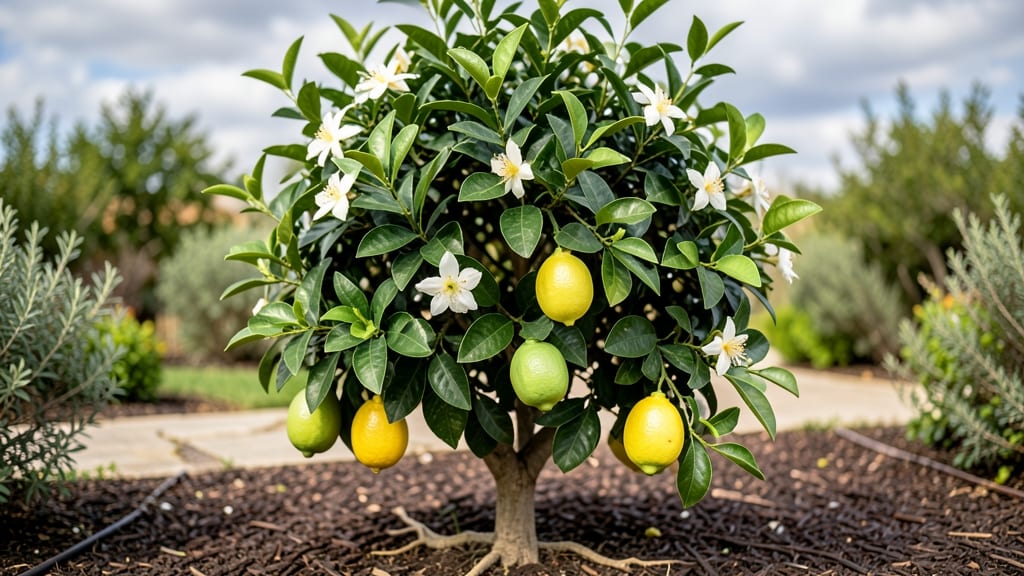
Growing lemon trees in North Carolina means choosing frost-resistant varieties like 'Meyer' or 'Improved Meyer' and planting them in USDA Zones 8-10, where they'll thrive in containers or sheltered areas to avoid winter damage. Regular pruning and full sun exposure are key for healthy growth and fruit production.
North Carolina's climate presents unique challenges for citrus lovers, but with the right approach, you can successfully cultivate lemon trees. 🌿 The 'Meyer' variety stands out as the best choice for its ability to tolerate temperatures down to 15°F, making it ideal for North Carolina's occasional cold snaps.
Unlike traditional lemons, these trees produce sweeter, smaller fruit that ripens year-round with proper care. For those in colder microclimates, container growing offers flexibility—you can move pots indoors during winter or use frost blankets for added protection.
What sets successful lemon tree cultivation apart in North Carolina is understanding the balance between sun exposure and winter protection. These trees demand at least 6-8 hours of direct sunlight daily, but their roots need insulation during winter months.
I've found that planting in well-draining soil and using mulch helps maintain stable root temperatures. The key is creating a microclimate that mimics their native Mediterranean environment as closely as possible.
💡 In This Article
- Best Cold-Hardy Lemon Tree Varieties for North Carolina
- Container Gardening Tips for North Carolina Lemon Trees
Best cold-hardy lemon tree varieties for North Carolina
North Carolina's climate—with its humid summers and unpredictable winters—demands lemon tree varieties that can withstand temperature fluctuations. The 'Meyer' lemon stands out as the gold standard for NC growers because its hybrid genetics combine the hardiness of a trifoliate orange with true lemon characteristics.
This variety can handle brief dips to 15°F without permanent damage, thanks to its thicker bark and deeper root system that insulates against cold snaps. 🌱 Unlike traditional lemons, Meyer trees produce sweeter, more aromatic fruit with a thinner skin, making them perfect for both culinary use and ornamental value.
The 'Improved Meyer' takes cold tolerance even further, with some specimens surviving down to 10°F when properly protected. These trees also demonstrate remarkable adaptability to North Carolina's varied microclimates, from the coastal regions of Wilmington to the Piedmont's higher elevations.
What makes them particularly well-suited is their ability to fruit reliably even in partial shade—something traditional lemons struggle with. For those in USDA Zone 7, these varieties are often the only citrus options that will produce fruit consistently, though yields may be smaller than in warmer zones.
While 'Eureka' and 'Lisbon' lemons are popular in warmer climates, they're generally not recommended for North Carolina's winters unless grown in containers that can be moved indoors. These varieties typically require temperatures above 20°F to survive, making them high-maintenance choices for most NC growers.
The key difference lies in their genetic makeup: Eureka and Lisbon lemons have thinner bark and less cold-resistant root structures, which makes them vulnerable to winter dieback even with protective measures.
When selecting a lemon tree for North Carolina, consider these critical factors: rootstock type (most cold-hardy varieties use trifoliate orange rootstock), tree age (mature trees handle cold better), and your specific microclimate.
For example, trees in the Mountain region (Zone 7) will need more aggressive winter protection than those in the Coastal Plain (Zone 8b).
The 15-20°F temperature range is the critical threshold where Meyer lemons begin to show winter stress, so understanding your local frost patterns is essential for long-term success.
One often overlooked aspect is how these varieties respond to North Carolina's summer heat and humidity. Meyer lemons, for instance, develop a natural resistance to fungal diseases like citrus canker when grown in well-ventilated conditions, which is particularly important in NC's muggy summers.
The thicker leaves of these varieties also help them retain moisture better during drought periods—common in the state's inland areas. This dual adaptability to both winter cold and summer heat makes them the most reliable choice for North Carolina's unique growing conditions.
For those considering multiple varieties, I recommend starting with one Meyer lemon tree to test your growing conditions before expanding. The 3-5 year maturation period gives you time to perfect your winter protection strategies, whether that means using frost blankets, moving containers indoors, or installing microclimate protection like windbreaks.
The payoff comes in the form of year-round fruit production—something that's nearly impossible with traditional lemons in North Carolina's climate.