
Pruning
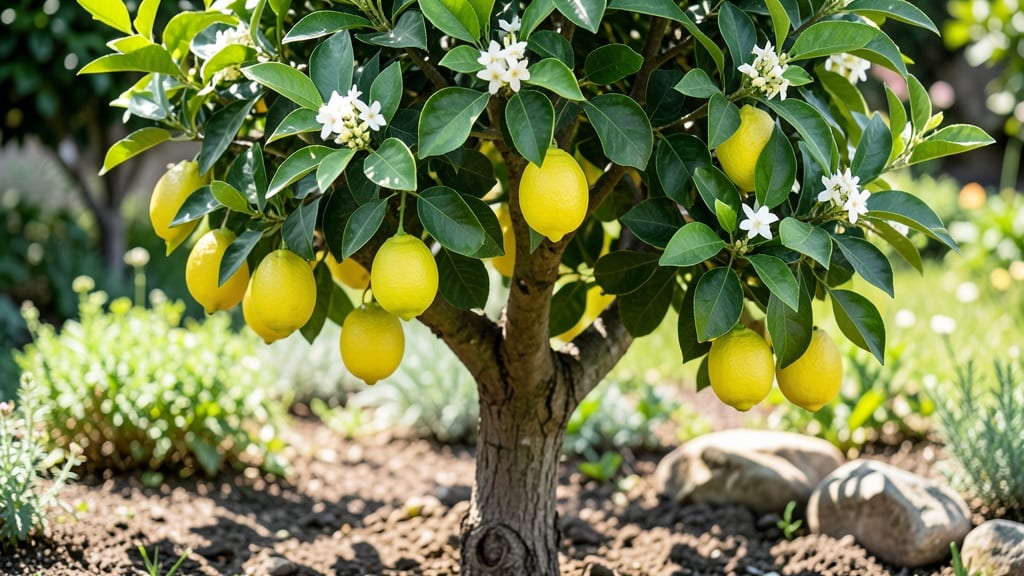
The ideal lemon tree temperature range is 60°F to 85°F, with peak growth between 70°F and 80°F. They can handle brief cold snaps down to 30°F but risk permanent damage below 25°F, requiring protective measures in frost-prone areas.
Lemon trees are tropical plants at heart, so their growth speed and fruit production depend heavily on consistent warmth. 🌱 When temperatures drop below 60°F for extended periods, photosynthesis slows, and new growth may stall.
On the other hand, prolonged heat above 85°F can stress the tree, causing leaf drop or reduced flowering. The sweet spot—70°F to 80°F—ensures vigorous growth and abundant fruit set.
Even a short cold snap below 30°F can shock the tree, while anything under 25°F risks killing tender new shoots or blossoms.
What's fascinating is how these temperature thresholds affect the tree's life cycle. For example, cooler spring nights (55°F to 65°F) actually help trigger flowering in many citrus varieties, but if temperatures stay too low during bloom, pollinators become less active, reducing fruit set.
Meanwhile, summer heat waves above 90°F can cause leaf scorch or even sunburn on exposed fruit, making afternoon shade crucial in hot climates.
💡 In This Article
- How Temperature Affects Lemon Tree Growth and Fruit Production
- Best Practices for Protecting Lemon Trees in Cold Climates
How temperature affects lemon tree growth and fruit production
Lemon trees are tropical evergreens, meaning their cellular metabolism operates most efficiently within a narrow temperature band. At the core, their photosynthesis process—where leaves convert sunlight into energy—peaks between 70°F and 80°F.
Below 60°F, enzymes that drive photosynthesis slow down by up to 50%, which is why you'll notice stunted new growth or yellowing leaves during cooler spells. The tree's stomata (tiny leaf pores) also close to conserve moisture when temperatures drop, further reducing growth potential. 🌿
Temperature plays an even more critical role during flowering and fruiting. Lemon trees bloom best when daytime temperatures hover around 75°F with cooler nights (60°F). This temperature contrast triggers hormonal signals that promote blossom formation.
However, if nighttime temperatures dip below 50°F during bloom, pollen viability drops sharply, leading to poor fruit set. Even a single frost event below 28°F can kill blossoms entirely, resulting in a near-total crop loss.
Heat stress above 90°F causes another problem: flower buds often abort before opening, a phenomenon called "heat shock" that citrus growers dread.
The tree's cold hardiness varies by maturity—young trees are far more vulnerable than established specimens. A 30°F cold snap might only cause leaf browning on mature trees, while young plants can suffer permanent damage to their vascular system, stunting future growth.
The real danger zone starts at 25°F, where ice crystals form inside leaf cells, rupturing their membranes in a process called "cold acclimation failure."
This is why many commercial citrus groves in Florida or California use wind machines and smudge pots to raise temperatures just a few degrees during frost warnings. 🍋
Seasonal temperature shifts also influence fruit quality. Lemons grown in ideal 70°F-80°F conditions develop sweeter, more aromatic flesh due to balanced sugar production. But when summer temperatures exceed 95°F for weeks, fruit can become bitter and seedy as the tree diverts energy toward survival rather than flavor development.
The same happens in winter: temperatures below 55°F for extended periods cause metabolic slowdown, leading to smaller, less vibrant fruit. This is why commercial growers often use shade cloth in summer and row covers in winter to maintain optimal growing conditions.
One fascinating adaptation: lemon trees can enter a form of "dormancy" when exposed to prolonged cool weather (50°F for 4-6 weeks). During this period, growth slows dramatically, but the tree conserves energy for spring regrowth.
However, this dormancy isn't true hibernation like temperate trees—citrus never fully stops metabolic activity, which is why they remain vulnerable to cold damage even in winter.
This biological quirk explains why lemon trees in USDA Zone 9 (like Southern California) can survive winters with occasional 28°F dips, while those in Zone 8 or colder require constant protection. 🌡️
For home growers, understanding these temperature thresholds means timing is everything. Planting in spring (after last frost) gives young trees a head start before summer heat arrives. Pruning should occur in late winter when the tree is semi-dormant but before new growth begins—typically when daytime highs reach 65°F.
And when summer arrives, providing afternoon shade can prevent leaf scorch while maintaining fruit quality. The key is mimicking the tree's natural tropical environment as closely as possible, even in temperate climates. 🌞