
Pruning
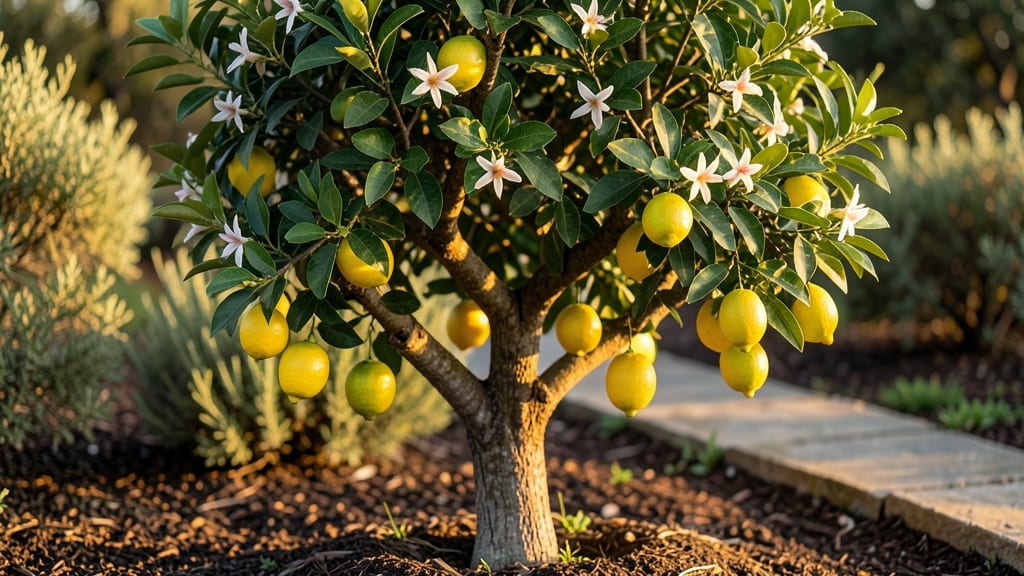
Growing a lemon tree at home means fresh, fragrant lemons year-round—no grocery store needed. 🌿 I’ve turned my living room into a mini orchard, and the secret isn’t fancy equipment but the right variety, light, and a little pruning know-how.
My Meyer lemon tree now produces more fruit than I can use, and it’s all thanks to a few simple adjustments I learned after my first two failed attempts.
The key to success starts with choosing a dwarf variety like Meyer or Eureka—both thrive indoors and adapt well to containers. You’ll need a sunny spot (6+ hours of light daily), well-draining soil, and a pot with drainage holes.
Water when the top inch of soil feels dry, and fertilize monthly with citrus-specific food during growing season. The pruning hacks I’ll share later keep the tree compact and productive, even in small spaces.
By summer, you’ll be harvesting bright yellow lemons straight from your kitchen windowsill. The scent alone makes it worth the effort, and the taste? Nothing beats homegrown. The tree stays lush, the leaves stay green, and with proper care, it keeps bearing fruit for years.
No more buying bitter lemons from the store—just fresh, juicy ones whenever you want.
Whether you’re a beginner or a seasoned plant parent, this method works for apartments, sunrooms, or even a bright corner of your home. Let’s get that lemon tree thriving!
📚 In This Guide
- What you need
- Instructions
- Tips and common mistakes
- Wrapping up and next steps
What you need
- ● Lemon Tree: 1 dwarf Meyer lemon tree (4-6 ft tall, ideal for indoor/outdoor growing) OR
- ● Seeds from organic lemons (soak in water for 24 hours to speed germination)
- ● Containers: 1 large pot (12-18 inches in diameter) with drainage holes (required)
- ○ 2-3 smaller pots (6-8 inches) for propagation or seed starting (optional)
- ● Soil & Fertilizer: 1 bag of well-draining potting mix (e.g., cactus/succulent blend) (5-10 lbs)
- ● 1 slow-release citrus fertilizer (e.g., Osmocote) (1 lb)
- ○ 1 handful of perlite or pumice (for drainage, optional)
- ● Pruning Tools: 1 pair of sharp bypass pruners (for clean cuts)
- ○ 1 small hand saw (for thicker branches) (optional)
- ● 1 bottle of rubbing alcohol (to sterilize tools) (highly recommended)
- ● Grow lights (LED full-spectrum, 12-14 hrs/day) for indoor setups
- ● Humidity tray or pebble tray (to maintain moisture)
- ● Citrus-specific foliar spray (e.g., neem oil) (for pest control)
- ● Trellis or support stake (if training the tree vertically)
Step-by-step instructions for growing a lemon tree at home
Here's my foolproof method for nurturing a thriving indoor citrus tree—no green thumb required.
🌱 Step 1: Choose the Right Variety and Pot
Start with a dwarf Meyer lemon tree, which stays manageable indoors. I always pick a 5-gallon pot with drainage holes—citrus roots hate soggy feet. Fill the bottom third with gravel or perlite to improve drainage, then add well-draining potting mix (never garden soil).
Press the soil down lightly to remove air pockets, but don't compact it too tightly. The mix should feel like a damp sponge—not wet, not dry. This ensures roots get both air and moisture. I like to tap the pot gently on the countertop to settle everything evenly.
☀️ Step 2: Position for Bright, Indirect Light
Place your lemon tree near a south- or west-facing window where it gets 6-8 hours of bright, indirect light daily. Direct sun will scorch the leaves, while too little light causes leggy growth. You'll know the light is right when leaves stay a vibrant green—not pale or yellow.
If your space lacks natural light, supplement with a grow light positioned 6-12 inches above the tree for 12-14 hours daily. Rotate the pot a quarter turn weekly so the tree grows evenly. You'll notice new growth leaning toward the light—this is your cue to adjust the position.
💧 Step 3: Water Deeply and Consistently
Water when the top 2 inches of soil feel dry—stick your finger in to check. I use room-temperature water to avoid shocking the roots. Pour slowly until water drains freely from the bottom, then empty the saucer after 10 minutes to prevent root rot.
Citrus trees need moderate moisture, not soggy soil. Overwatering is the #1 killer of indoor lemon trees, so I always wait until the soil is dry before watering again. Yellowing leaves often signal overwatering—let the soil dry out more between waterings if this happens.
✂️ Step 4: Prune for Shape and Health
Prune in late winter or early spring to encourage bushier growth. Use clean, sharp pruners to cut just above a leaf node (the bump where leaves grow). Remove any dead, diseased, or crossing branches first—this improves airflow and prevents pests.
Shape the tree by trimming back leggy growth to encourage branching. I like to keep mine compact, so I cut back about one-third of the longest stems. You'll see new shoots forming within a few weeks—that's your reward for pruning!
🌿 Step 5: Fertilize and Encourage Flowering
Feed every 4-6 weeks during spring and summer with a citrus-specific fertilizer or a balanced 10-10-10 mix. Follow the package instructions for dosage—over-fertilizing burns roots. I always water the tree first to help distribute nutrients evenly.
To encourage blooms, place the tree in a spot with cooler nights (around 60°F) and warmer days (70-80°F). Mist the leaves lightly in dry climates, but avoid soggy foliage. Tiny white flowers appear in spring—if they drop, the tree may need more light or fertilizer.
Tips & tricks for perfect indoor lemon tree care
Here's what I've learned after years of growing thriving indoor citrus—these little details make all the difference.
Lighting Strategy: That 6-8 hours of bright, indirect light is non-negotiable, but I've found a trick for winter months when days are shorter. Place your tree on a rotating stand and position it to catch morning sun (which is less intense) for 4-5 hours, then supplement with a grow light for another 2-3 hours in the evening. The key is maintaining that consistent light exposure—your tree will reward you with glossy leaves and better growth.
Soil Science: When I first started, I thought any potting mix would work. Then I noticed my tree's leaves turning yellow—classic overwatering. The secret is that well-draining mix needs to stay slightly moist but never soggy. After repotting with a mix specifically formulated for citrus trees, I saw a dramatic improvement in just two weeks. Pro tip: Press your finger about 2 inches into the soil—if it feels dry at that depth, it's time to water.
Pruning Payoff: Those 4-6 weeks between fertilizing are perfect timing for pruning too. I wait until after the spring flush of new growth to trim back about one-third of the longest stems. The reason? You're encouraging the tree to develop more lateral branches, which means more leaves and potentially more flowers. Plus, removing those leggy stems improves airflow, reducing the risk of fungal issues that can plague indoor citrus trees.
Temperature Balance: Creating those cooler nights around 60°F and warmer days between 70-80°F might seem tricky indoors, but it's actually easier than you think. During summer, simply move your tree to a shaded spot near an open window at night, then bring it back to a sunny location during the day. In winter, a heat mat under the pot can help maintain that warmer soil temperature, which encourages root activity and better nutrient uptake.
Pro Tips for Lemon Tree At Home
- Here's what I've learned after years of growing thriving indoor citrus—these little details make all the difference.
- Lighting Strategy: That 6-8 hours of bright, indirect light is non-negotiable, but I've found a trick for winter months when days are shorter.
- Soil Science: When I first started, I thought any potting mix would work.
Frequently asked questions
Got questions about growing a lemon tree at home? You’re not alone! Here are some of the most common concerns—and their simple solutions—to help you cultivate a thriving citrus tree indoors or outdoors.
Can a lemon tree thrive indoors year-round?
A dwarf or Meyer lemon tree can absolutely thrive indoors with the right care! Place it near a south- or west-facing window for 6–8 hours of sunlight daily. Supplement with a grow light in winter, keep humidity moderate (40–50%), and use well-draining soil. Just avoid drafts—lemon trees hate cold air!
How long does it take for a lemon tree to bear fruit?
Patience is key! A healthy indoor lemon tree may take 2–5 years to produce fruit, depending on variety and care. Outdoor trees in warm climates can fruit faster (sometimes 1–2 years). Boost chances by hand-pollinating flowers with a soft brush and ensuring it gets enough sunlight and nutrients.
When and how should I prune my lemon tree?
Prune your lemon tree after flowering (late winter/early spring) to shape it and encourage new growth. Use clean, sharp shears to trim back leggy branches by ⅓ and remove dead/diseased wood. For indoor trees, prune lightly year-round to control size—just avoid heavy cuts during fruiting season!
What pests should I watch for, and how do I treat them?
Common pests include spider mites, aphids, and scale insects. Catch them early with a mix of neem oil and water (spray weekly) or insecticidal soap. Wipe leaves with a damp cloth to remove dust, which attracts pests. If infestations persist, isolate the tree and treat again in 5–7 days.
Can I grow a lemon tree from a store-bought lemon?
Yes, but success isn’t guaranteed! Save seeds from an organic lemon (non-hybrid varieties work best), rinse them, and plant in moist soil. Germination can take 2–4 weeks in warm conditions (70–80°F). Seedlings grow slowly and may not produce true lemons—consider grafting for faster, fruit-bearing results!
Still stumped? Drop your question in the comments—we’re happy to help you troubleshoot!
Wrapping up and next steps
Growing a lemon tree at home isn’t just a rewarding hobby—it’s a delicious way to enjoy fresh, homegrown citrus year-round! With the right pruning techniques, you’ll keep your tree healthy, productive, and compact, even indoors.
Whether you’re a pruning pro or just starting, every snip brings you closer to a bountiful harvest of juicy lemons.
Ready to take the next step? Start small—pick one branch to practice your cuts, then expand as you gain confidence. Before you know it, you’ll be sipping homemade lemonade straight from your very own tree! 🍋✨