
Trees
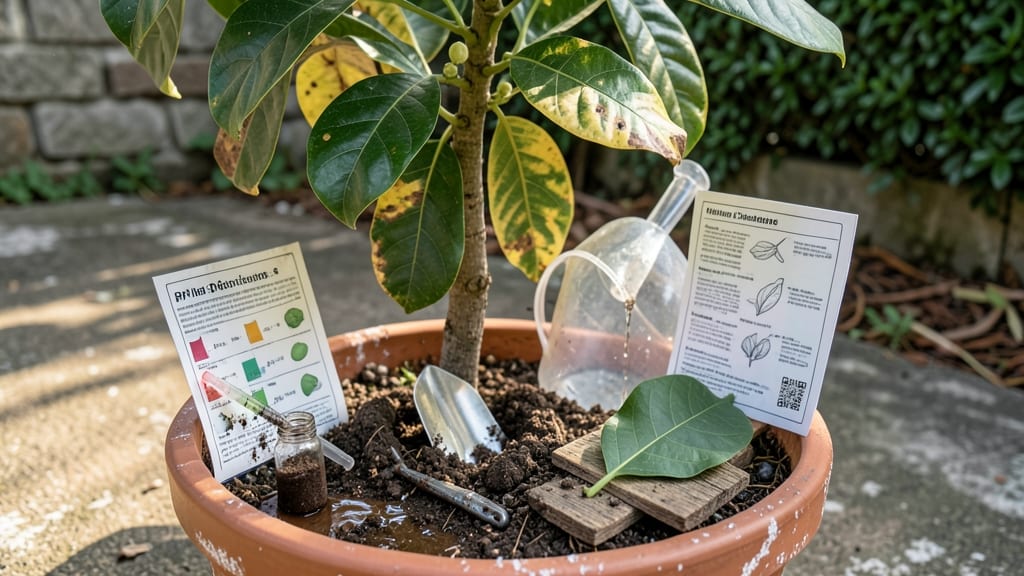
Your avocado tree leaves turning yellow could mean a nutrient deficiency—or something else entirely. 🌿 I’ve seen this problem ruin perfectly healthy trees, but the fix is often simpler than you’d think, once you know what to look for.
The most common culprits are overwatering (which chokes roots), nitrogen deficiency (the classic yellowing), or even too much sun stress. My tree’s leaves went from lush green to sad yellow in weeks until I adjusted the watering schedule and added a balanced fertilizer. The good news?
Most fixes take less than an hour and cost under $10. You’ll start by checking the soil moisture and leaf texture—dry edges mean underwatering, while mushy leaves scream overwatering. A quick soil test (or just sticking your finger in) tells you everything you need to know.
Then it’s about matching the care to what your tree actually needs. Once you’ve ruled out pests and diseases (which are rare but possible), you’ll have a thriving tree with vibrant green leaves in just a few weeks. Let’s get your avocado back to its best!
Root Causes Of Yellowing Leaves
Yellowing leaves on your avocado tree aren’t just a cosmetic issue—they’re a cry for help from your plant. Understanding the why behind this symptom is the first step to restoring your tree’s health.
Below, we break down the most common culprits, each with a clear scientific explanation and actionable clues to identify them.
---
Avocado trees (Persea americana) are drought-tolerant and hate soggy roots. When soil remains too wet for prolonged periods, oxygen deprivation in the root zone triggers anaerobic conditions, which disrupt nutrient uptake and lead to chlorosis (yellowing between leaf veins).
How to spot it: - Yellowing starts at the older, lower leaves (a reverse of nutrient deficiencies). - Mushy, foul-smelling soil or roots that appear grayish (not healthy white). - Wilting despite moist soil—roots can’t absorb water efficiently.
Why it happens: - Excessive irrigation or heavy clay soils that don’t drain. - Compacted soil restricting root growth. - Overpotting without drainage holes, causing waterlogging.
Quick fix: Let the top 2–3 inches of soil dry out between waterings. Amend heavy soil with perlite or coarse sand (20–30% by volume) to improve aeration. Repot if roots are circling or the container lacks drainage.
---
Avocados are heavy feeders, and yellowing leaves often signal a lack of essential nutrients. Each deficiency targets specific leaf areas, giving you clues about what’s missing:
| Nutrient | Symptoms | Why It Happens | |--------------------|-----------------------------------------------------------------------------|-----------------------------------------------------------------------------------| | Nitrogen (N) | Uniform yellowing (entire leaf turns pale yellow) starting on older leaves. | Nitrogen fuels leaf growth; deficiency stunts chlorophyll production.
Common in poor soil or after heavy fruiting. | | Magnesium (Mg) | Interveinal yellowing (yellow between veins, veins stay green) on older leaves. | Magnesium is a central atom in chlorophyll; deficiency occurs in acidic or compacted soils. | | Iron (Fe) | Young leaves yellow (new growth is pale), veins remain green. | Iron is immobile in plants; deficiency blocks chlorophyll synthesis in new leaves.
Often seen in alkaline soils (pH >7.5). | | Zinc (Zn) | Stunted growth, small yellow leaves with thickened veins. | Zinc aids enzyme function; deficiency distorts leaves and stunts root development. | | Potassium (K) | Yellowing at leaf edges (scorched appearance), weak stems. | Potassium regulates water and nutrient transport; deficiency causes leaf burn. |
Pro tip: Test your soil’s pH (ideal: 6.0–7.0 for avocados). If alkaline, add chelated iron or sulfur to lower pH. For deficiencies, use a balanced fertilizer (e.g., 10-10-10) or Epsom salt (magnesium sulfate) for Mg shortages.
---
Pathogens like **root rot (Phytophthora) or leaf spot (Colletotrichum) thrive in wet conditions and can cause yellowing, often accompanied by spots, wilting, or leaf drop.
How to spot it: - Dark, mushy roots (root rot). - Yellow-brown spots with dark borders on leaves (fungal leaf spot). - Oozing sap or cankers on stems (bacterial infections).
Why it happens: - Overwatering or poor air circulation (e.g., crowded pots). - Contaminated soil or tools. - Stress from transplant shock or extreme temperatures.
Action plan: 1. Prune infected leaves with sterilized shears (70% isopropyl alcohol). 2. Apply fungicide (copper-based or neem oil) if fungal. 3. Improve drainage and space plants for airflow. 4. Disinfect pots with a 10% bleach solution before repotting.
--- Sap-sucking pests like spider mites, scale insects, or aphids weaken leaves by draining nutrients, leading to yellowing, stippling (tiny dots), or sticky residue (honeydew).
How to spot it: - Tiny webs (spider mites). - White cottony patches (scale insects). - Curled, sticky leaves (aphids).
Why it happens: - Dry air (mites thrive in low humidity). - Weakened trees (stress from poor care attracts pests).
Quick fix: - Blast pests off with a strong water spray. - Neem oil or insecticidal soap (repeat every 5–7 days). - Introduce beneficial insects (ladybugs for aphids).
--- Avocados are sensitive to temperature extremes and sudden changes. Yellowing can occur if: - Cold drafts (below 50°F/10°C) damage leaves. - Hot, dry winds increase transpiration faster than roots can supply water (transpirational stress). - Salt buildup from tap water or fertilizers burns roots over time.
Signs: - Yellowing only on one side of the tree (wind exposure). - Crispy edges (salt damage). - Leaf drop after a sudden temperature shift.
Solutions: - Move potted trees away from drafts or heat sources (e.g., vents, direct sun). - Use filtered or rainwater to avoid salt buildup. - Mulch with wood chips** to regulate soil temperature.
Quick Fixes for Yellowing Leaves
Now that you know the root causes behind your avocado tree’s yellowing leaves, it’s time to take action! Below are science-backed, practical solutions tailored to each issue—plus prevention tips to keep your tree thriving. 🌿✨
---
💧 Problem: Soggy roots from overwatering or compacted soil suffocate roots, leading to yellowing and leaf drop.
🔥 Step-by-Step Fix: 1. Stop Watering Immediately – Let the top 2–3 inches of soil dry out before watering again. Stick your finger in the soil to test moisture. 2. Improve Drainage – Mix coarse sand or perlite into the soil (20–30% of the pot’s volume) to aerate it.
For in-ground trees, consider amending the soil with compost. 3. Repot If Needed – If the pot lacks drainage holes, transfer your tree to a terracotta or fabric pot with holes. Elevate pots on feet or a tray to prevent water pooling.
4. Prune Damaged Roots (Advanced) – If roots are mushy or black, trim away affected sections with sterilized shears and repot in fresh, well-draining soil.
💡 Prevention Tip: Water deeply only when the topsoil is dry (every 7–10 days in warm climates, less in winter). Mulch around the base to regulate moisture.
---
🌱 Problem: Yellowing leaves (especially between veins) signal nitrogen, iron, or magnesium deficiency, common in fast-growing avocado trees.
🍳 Step-by-Step Fix: | Deficiency | Quick Fix | Long-Term Solution | |----------------------|-----------------------------------------------------------------------------|-----------------------------------------------| | Nitrogen (Pale Green) | Sprinkle blood meal or fish emulsion around the base (follow package rates). | Use a balanced fertilizer (10-10-10) every 2–3 months in growing season. | | Iron (Yellow Between Veins) | Apply chelated iron supplement (like Ironite) to soil or spray on leaves. | Add compost or worm castings to improve soil microbial activity. | | Magnesium (Yellow Edges) | Mix Epsom salt (1 tbsp per gallon of water) and water the tree monthly. | Work dolomitic lime into the soil annually to boost magnesium. |
💡 Pro Tip: Test your soil with a DIY kit ($10–$20) to confirm deficiencies before guessing. Avocados love acidic to slightly alkaline soil (pH 6.0–7.5)—adjust with sulfur or lime as needed.
---
🐜 Problem: Spider mites, scale insects, or root rot cause yellowing by sapping nutrients or blocking water uptake.
👨🍳 Step-by-Step Fix: 1. Isolate the Tree – Move it away from other plants to prevent spread. 2. Blast Off Pests – - Spider Mites: Spray with neem oil solution (1 tbsp neem oil + 1 tsp dish soap per quart of water).
Repeat weekly. - Scale Insects: Scrape off visible pests with a soft brush or use horticultural oil (apply when leaves are dry).
3. Treat Root Rot – - Remove the tree from the pot, trim black/mushy roots, and repot in sterilized soil with mycorrhizal fungi (boosts root health). - Add 1 cup of hydrogen peroxide (3%) to water when repotting to kill fungi.
4. Boost Immunity – Strengthen your tree with kelp meal or seaweed extract (spray foliar or mix into soil).
🌡️ Prevention Tip: Keep humidity in check (avocados like 40–60% humidity) and avoid overhead watering to deter fungal growth.
---
☀️ Problem: Heat stress, cold drafts, or sudden climate shifts cause yellowing as the tree struggles to photosynthesize.
⏰ Step-by-Step Fix: 1. Shade Young Trees – Use light shade cloth (30–50%) if temps exceed 90°F (32°C). Mature trees tolerate heat better but still need afternoon shade in extreme climates.
2. Protect from Cold – Move potted trees indoors or to a garage if temps drop below 50°F (10°C). For in-ground trees, mulch heavily with straw or wood chips.
3. Acclimate Gradually – If moving your tree, harden it off over 1–2 weeks by exposing it to outdoor conditions slowly. 4. Mist Leaves (Temporarily) – Lightly mist leaves daily in dry heat to reduce transpiration stress (avoid soggy soil).
🎯 Prevention Tip: Avocados thrive in USDA Zones 9–11. If you’re in a cooler zone, grow it in a large container and bring it inside for winter.
--- 🌟 For All Causes: Follow this 3-step recovery plan to give your tree a fresh start: 1. Prune Damaged Leaves – Snip off yellow/brown leaves with clean shears to redirect energy to healthy growth.
2. Fertilize Lightly – Use a half-strength balanced fertilizer (like 5-5-5) to avoid overwhelming stressed roots. 3. Monitor & Adjust – Keep a care journal (note watering, sunlight, and changes) to spot patterns.
--- Final Reminder: Yellow leaves are often a warning sign, not a death sentence! With the right fix, your avocado tree can bounce back—sometimes in as little as 2–4 weeks.
Stay patient, and your tree will reward you with lush green foliage and juicy fruit in no time. 🥑💚
Frequently asked questions
Why do my avocado tree leaves turn yellow only on the top half?
This often signals transpiration stress from hot, dry winds or underwatering. The upper leaves get more sun exposure and lose moisture faster than roots can supply. Check soil moisture—if the top 2 inches are dry, water deeply. For extreme heat, provide afternoon shade or mist leaves lightly (but avoid soggy soil).
Can I use coffee grounds to fix yellowing leaves?
Coffee grounds can help with nitrogen deficiency (since they’re acidic), but they’re not a magic fix. Mix ½ cup into the topsoil monthly, but avoid piling them directly against the trunk. For better results, combine with a balanced fertilizer (10-10-10) and test your soil’s pH—avocados prefer 6.0–7.0. Overuse can make soil too acidic.
How long does it take for yellow leaves to turn green again?
With the right fix, you’ll often see improvement in 2–4 weeks. If the yellowing is from overwatering, recovery happens faster once soil drains properly. For nutrient deficiencies, it may take 6–8 weeks of consistent care. Prune severely yellowed leaves to redirect energy to new growth—healthy leaves should emerge from the center of the tree.
Is it safe to use Epsom salt on my avocado tree?
Yes! Epsom salt (magnesium sulfate) is perfect for magnesium deficiency (yellowing between leaf veins). Mix 1 tablespoon per gallon of water and apply monthly during growing season. Avoid overusing—2–3 applications is enough unless your soil test confirms severe deficiency. For iron issues, switch to chelated iron instead.
Should I remove all yellow leaves from my avocado tree?
Prune only the most severely yellowed or dead leaves—this helps the tree focus energy on new growth. Leave some mild yellowing if the rest of the leaf is healthy, as it’s still photosynthesizing. Use sterilized shears and cut at a 45-degree angle just above a leaf node. Never remove more than ⅓ of the foliage at once.