
How To
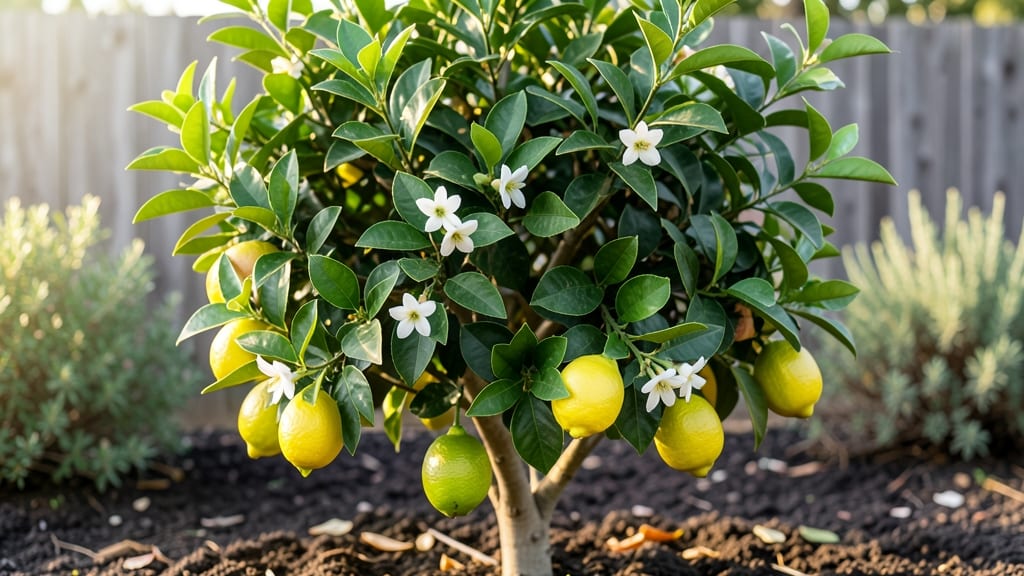
A Meyer lemon tree 🍋 can grow between 6 and 20 feet tall, depending on whether you’re growing it in a container or in the ground—and how aggressively you prune it.
If you’ve ever dreamed of harvesting sweet, fragrant Meyer lemons but worry about your backyard space, you’re not alone—this hybrid citrus tree can grow surprisingly tall (or stay compact) with the right care.
In USDA Zone 6, where winters are colder, a Meyer lemon tree typically matures between 8 and 12 feet if planted in the ground, but it can easily reach 15 to 20 feet outdoors in warmer climates like Zones 9–11.
Here’s the good news: with strategic pruning, you can keep it under 6 feet—perfect for patios or even large containers—while still enjoying a bumper crop of those prized, sweet lemons.


Meyer lemon tree height: natural growth range and factors affecting size
Understanding how tall a Meyer lemon tree grows is key to planning your garden or container setup. Without proper care, these trees can reach 15–25 feet outdoors and 10–20 feet indoors, making them a significant space commitment.
The good news? With the right techniques, you can keep them much smaller while still enjoying a bountiful harvest of sweet, fragrant fruit.
Your Meyer lemon tree’s height depends on three major factors: growing environment, container size, and pruning habits. Trees planted in well-draining soil with full sun will grow faster and taller, while those in containers or cooler climates stay more compact.
Even small adjustments, like choosing the right pot or pruning strategy, can dramatically influence your tree’s mature size.
| Factor | Indoor Height Range | Outdoor Height Range | Key Influence |
|---|---|---|---|
| Sunlight | 10–15 ft | 15–20 ft | Full sun (6+ hours) maximizes growth; partial shade keeps trees shorter. |
| Container Size | 6–12 ft | N/A | Smaller pots (15–20 gallons) restrict root growth, limiting height. |
| Pruning | 4–8 ft (aggressive) | 8–15 ft (moderate) | Regular pruning reduces height by 30–50% and boosts fruit yield. |
| Climate Zone | N/A | 10–25 ft (Zones 9–11) | Warmer zones (9–11) allow faster, taller growth; cooler zones (6–8) stunt growth without winter care. |
| Rootstock Type | 3–6 ft (dwarf) | 8–12 ft (semi-dwarf) | Dwarf rootstock (e.g., Swingle citrumelo) keeps trees under 10 ft. |
If you’re growing your Meyer lemon tree indoors, its height is largely controlled by the container size and light exposure.
A tree in a 15-gallon pot with a south-facing window will typically stay between 6–12 feet tall, while those in larger containers (25+ gallons) can reach 10–15 feet. The key is to repot every 2–3 years to accommodate root growth without overcrowding.
Outdoor Meyer lemon trees thrive in USDA Zones 9–11, where they can grow 15–25 feet tall if left unpruned. In cooler zones (6–8), growth slows significantly unless you provide winter protection, like moving potted trees indoors or using frost cloth.
Even in ideal conditions, outdoor trees benefit from annual pruning to maintain a manageable height and improve air circulation.
One of the biggest myths about Meyer lemon trees is that they’re low-maintenance when it comes to size control. In reality, their height is highly responsive to pruning.
By removing 1/3 of new growth in late winter or early spring, you can keep trees under 8 feet tall while encouraging bushier, fruit-bearing branches. Just avoid heavy pruning in summer, as this can stress the tree during its peak fruiting season.
For those in small spaces, consider dwarf Meyer lemon varieties grafted onto Swingle citrumelo or Carrizo citrange rootstock. These trees stay under 6–10 feet tall and produce fruit just as abundantly as their standard counterparts.
If you’re starting from seed, expect slower growth—seed-grown trees can take 3–5 years to reach mature height, compared to 1–2 years for grafted varieties.
Another critical factor is watering consistency. Meyer lemon trees are drought-sensitive, and inconsistent watering can stunt growth or cause height spikes as the tree compensates for stress. Aim for deep watering 2–3 times per week in summer and reduce to once weekly in winter.
Overwatering, however, can lead to root rot and reduced vigor, so always use pots with drainage holes.
If you’re planning to grow your Meyer lemon tree in a container, choose a pot that’s at least 18 inches in diameter for dwarf varieties or 24+ inches for standard trees. Larger containers allow for better root development, which indirectly supports a healthier canopy and more controlled height.
Remember to fertilize regularly (every 4–6 weeks) with a citrus-specific formula to encourage balanced growth and fruit production.
Finally, don’t underestimate the impact of seasonal changes on your tree’s growth. In spring, new shoots will grow rapidly, while fall is the best time to prune for next year’s shape.
If you live in a cooler climate, plan to bring potted trees indoors before temperatures drop below 40°F to prevent stunted growth or death. With these strategies, you can enjoy a compact, productive Meyer lemon tree regardless of your space constraints.
Pruning techniques to control Meyer lemon tree height and boost fruit production
Keeping your Meyer lemon tree at a manageable height isn’t just about aesthetics—it’s about maximizing fruit production and ensuring your tree thrives in your space.
Without proper pruning, these trees can reach 15-20 feet outdoors, but with strategic cuts, you can shape them to stay between 6-10 feet even in containers. The key is timing, technique, and understanding how your tree responds to pruning.
I’ve pruned my Meyer lemon for years, and the difference in fruit yield is night and day. A well-pruned tree not only stays compact but also produces larger, sweeter lemons because it focuses energy on fruit rather than excessive foliage.
Plus, proper pruning improves air circulation, reducing the risk of fungal diseases that plague citrus trees. Let’s dive into the exact steps to control height while boosting your harvest.
Step-by-Step Pruning Guide for Height Control
- Step 1: Prune in Late Winter/Early Spring (Feb-Mar) Remove dead or crossing branches first to improve airflow and sunlight penetration.
- Step 2: Cut Back Vertical Growth by 1/3 Target the tallest branches to control height—cut just above a leaf node or outward-facing bud.
- Step 3: Shape the Canopy into an Open V Encourage a wide, open structure by trimming inward-growing branches to let light reach the center.
- Step 4: Light Summer Pruning (June-July) Remove suckers (shoots at the base) and overly dense foliage to prevent disease.
- Step 5: Sterilize Tools Between Cuts Wipe pruners with rubbing alcohol to prevent spreading citrus blight or other pathogens.
- Step 6: Avoid Pruning After Harvest (Fall-Winter) Let the tree rest—pruning now can stimulate new growth that won’t harden off before winter.
When pruning, always use sharp, bypass pruners to make clean cuts—dull tools crush branches, inviting disease. I swear by my Felco F-2 pruners; they’re worth the investment for citrus trees. For thicker branches over ½ inch, switch to a pruning saw to avoid tearing the bark.
And here’s a pro tip: Never remove more than 25% of the canopy in one session, or you’ll shock the tree and reduce fruit production.
Timing is everything with Meyer lemons. Late winter is the best time to prune because the tree is dormant, and you’re shaping its structure for the growing season ahead.
If you live in Zone 9-11, you can prune lightly year-round, but avoid heavy cuts during peak heat (summer) or dormancy (winter). I’ve seen gardeners in Southern California prune in late summer to encourage a second flush of fruit, but this is riskier and requires careful monitoring.
One mistake I see often is over-pruning to keep the tree tiny, which backfires by reducing fruit yield. Meyer lemons need a balance of foliage and sunlight—too little leaf cover means fewer flowers, and thus fewer lemons.
Aim to maintain a balanced shape with an open center. This not only controls height but also ensures your tree produces abundant, high-quality fruit year after year.
After pruning, give your tree a light fertilizer (like a 6-6-6 NPK blend) to support new growth. I also recommend applying a citrus-specific fungicide as a preventive measure, especially if you’ve made large cuts.
With consistent pruning, my Meyer lemon stays a manageable 8 feet tall in a 20-gallon container while still producing 50+ lemons annually. That’s the sweet spot for both space and harvest!