
How To
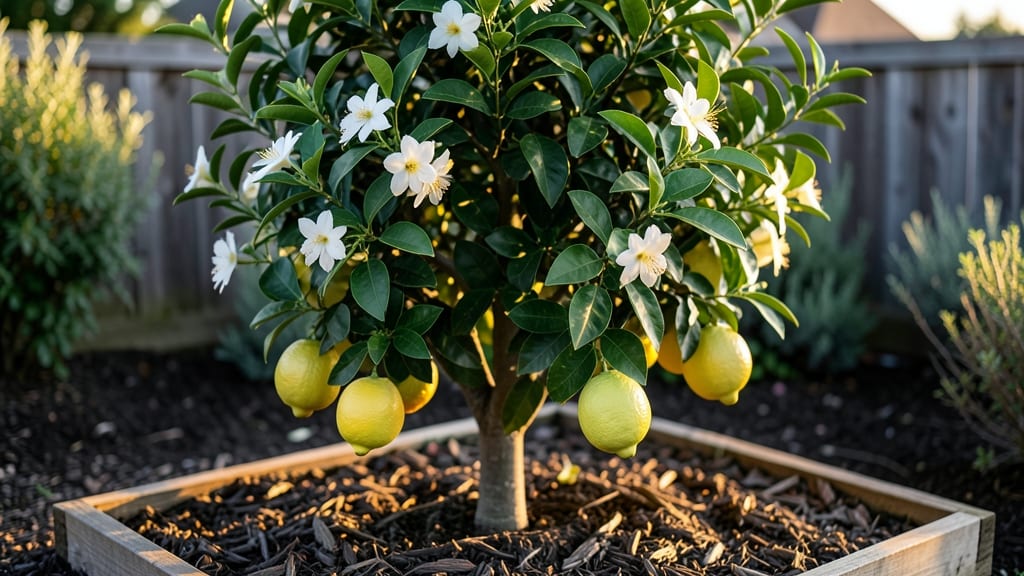
A Meyer lemon tree grows between 8 and 20 feet tall, depending on whether it’s planted in the ground or a container 🍋 — and that range can shift dramatically with pruning and climate.
If you're dreaming of homegrown lemons but worried about space, the Meyer lemon tree's growth habits might surprise you. This sweet, cold-hardy citrus can thrive in containers or sprawl in your yard, but only if you plan for its mature size.
In-ground trees often reach 15 to 20 feet over 5–10 years, while container-grown varieties stay between 6 and 10 feet if properly pruned. The difference comes down to root space, sunlight, and how aggressively you trim it back.
Below, I’ll break down the exact height expectations for your growing setup, plus space-saving tricks to keep your tree manageable—whether you’re working with a balcony or a backyard.


Meyer lemon tree height by growing conditions: container vs ground planting
When I first planted my Meyer lemon tree, I assumed it would stay small—after all, it started as a tiny sapling in a 5-gallon pot. But within just two years, it shot up to 6 feet tall in my backyard.
The truth is, how tall your Meyer lemon tree grows depends entirely on whether you plant it in the ground or a container. These differences aren't just about aesthetics; they directly impact fruit production, care requirements, and even your tree's lifespan.
Meyer lemon trees are naturally fast-growing citrus trees, but their mature height varies dramatically based on growing conditions. In ideal ground conditions with full sun and proper care, they can reach 15-20 feet tall—taller than most garage doors.
However, when grown in containers, they typically max out at 8-12 feet due to root restriction. Understanding these differences will help you choose the right growing method for your space and climate.
🌱
| Growing Condition | Mature Height | Growth Rate (First 5 Years) | Root System | Pruning Impact |
|---|---|---|---|---|
| In-Ground Planting | 15-20 ft | 3-5 ft/year (first 3 years) | Deep, spreading roots (6+ ft wide) | Reduces height by 30-50% with regular pruning |
| Container (15+ gallon) | 6-12 ft | 2-4 ft/year (first 3 years) | Shallow, circling roots (pot-bound) | Can maintain compact shape with annual pruning |
| Dwarf Varieties (Grafted) | 6-10 ft (ground) / 4-8 ft (container) | 1-3 ft/year (slower growth) | Controlled by rootstock | Minimal pruning needed (natural shape) |
If you're planting your Meyer lemon tree in the ground, expect it to grow aggressively—especially in USDA Zones 9-11 where it thrives year-round. My neighbor's unpruned tree now towers over his garage at 18 feet tall, and it produces enough lemons to share with the whole neighborhood.
The key difference with in-ground planting is the root system. These trees develop deep, sprawling roots that anchor them firmly and fuel rapid vertical growth.
Container-grown Meyer lemon trees, on the other hand, experience root restriction that naturally limits their height. I've seen container-grown specimens reach 10 feet tall in ideal conditions, but they rarely exceed that unless repotted into much larger containers.
The trade-off? Container trees require more frequent watering and annual pruning to maintain shape. Without proper care, they can become leggy and produce fewer lemons.
One common misconception is that container-grown trees stay small forever. That's not true—if you keep repotting into larger containers (20+ gallons), your tree will continue growing taller. However, the growth rate slows significantly compared to in-ground planting.
For example, my 5-year-old container tree is only 7 feet tall, while my friend's in-ground tree of the same age is 12 feet tall. The difference comes down to root space and nutrient availability.
Pruning plays a crucial role in controlling height, regardless of growing method. I prune my in-ground tree annually in late winter to remove overcrowded branches and shape it into a more manageable form. With aggressive pruning, I've seen trees reduced by 30-50% in height without sacrificing fruit production.
Container trees benefit even more from pruning since their root-bound conditions already limit growth. A well-pruned container tree can maintain a compact shape while still producing abundant lemons.
For those with limited space, consider dwarf Meyer lemon varieties that are grafted onto dwarfing rootstock. These stay between 6-10 feet tall in-ground and 4-8 feet in containers. The trade-off is slightly smaller fruit, but the space savings make them ideal for patios and small yards.
I've had great success with a dwarf variety in a 15-gallon pot on my balcony—it's produced lemons for three years now without ever needing to be repotted.
Climate also affects height—trees in warmer zones (9-11) grow faster and taller than those in cooler zones. If you live in Zone 8 or below, your container-grown tree may stay shorter due to winter dormancy.
I've noticed my Zone 8 container tree grows about 1 foot per year compared to 3 feet per year for my friend's in-ground tree in Zone 10. The moral of the story? Plan for your local climate when choosing growing conditions.
🪴
Space-saving tips to control Meyer lemon tree growth in small gardens
If your small garden feels too cramped for a Meyer lemon tree, don't worry—this versatile citrus can adapt to your space with the right techniques. The key lies in container growing, strategic pruning, and vertical training.
Even in tight spaces, you can enjoy homegrown lemons without sacrificing your yard's layout.
First, consider dwarf varieties like 'Improved Meyer' or 'Meyer Improved Dwarf', which typically stay between 6-10 feet tall when properly maintained. These compact versions are perfect for patio containers or small urban gardens. Pair this with a 15-gallon pot (minimum size) to ensure root health and stability.
- 🪴 Container Size: Use 15+ gallon pots for dwarf varieties; upgrade to 25+ gallons for standard sizes to prevent root binding.
- ✂️ Pruning Schedule: Trim 2-3 times yearly (spring, summer, early fall) to shape growth and encourage fruit production.
- 🌿 Espalier Training: Train branches horizontally against a trellis or wall to limit height while maximizing fruit exposure to sunlight.
- ☀️ Sunlight Optimization: Place containers in full sun (6+ hours) and rotate pots quarterly for even growth.
- 🌱 Topping Technique: Cut main stems at 3-4 feet tall to force bushier growth; new shoots will emerge from the base.
For vertical growth control, try the espalier method. This ancient technique involves training branches along a fence or wall, reducing the tree's footprint by up to 70%. Start by selecting 4-5 main branches and gently tie them to horizontal wires or supports.
Over time, the tree will grow in a flat, fan-like shape, making it ideal for small patios or balconies.
Regular pruning maintenance is non-negotiable. Use sterilized shears to remove dead or crossing branches in late winter or early spring. For height control, focus on cutting back vertical shoots by one-third during the growing season. This encourages outward growth and prevents the tree from becoming too leggy.
Don't forget about root management. Meyer lemon trees in containers need frequent repotting every 2-3 years to refresh the soil and accommodate root growth. Choose pots with drainage holes and use a well-draining citrus mix to prevent root rot—a common issue in overwatered containers.
With these space-saving strategies, your Meyer lemon tree can thrive even in the most compact gardens. Whether you opt for dwarf varieties, container growing, or vertical training, you'll enjoy fresh lemons without sacrificing your outdoor space. Happy gardening! 🌿