
Pruning
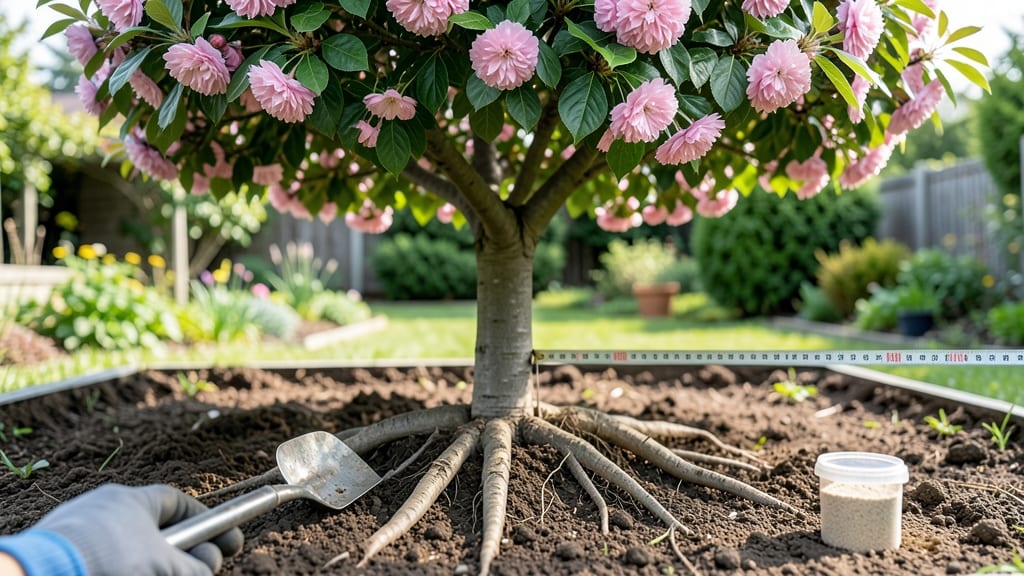
The Kwanzan cherry tree 🌸 grows a shallow root system that spreads wide but stays close to the surface, shaping how you plant, water, and protect it.
If you're planning to plant a Kwanzan cherry tree, understanding its root system is crucial—because shallow roots mean stunning spring blooms and potential challenges for stability and watering.
Unlike deep-rooted trees, this variety sends its roots outward rather than downward, making soil compaction and drought stress real concerns. The right soil prep and mulching can make all the difference in keeping your tree thriving.
In this guide, I’ll break down how to support its roots, from planting depth to watering schedules, so you avoid common mistakes that stunt growth or weaken the tree.
Kwanzan cherry tree root system: how shallow roots affect growth and care
The Kwanzan cherry tree (*Prunus serrulata 'Kwanzan') is famous for its vibrant pink blooms and lush foliage, but its shallow root system plays a crucial role in its health and care.
Unlike deep-rooted trees, Kwanzan cherries develop a wide-spreading root network just below the soil surface—typically within the top 12-18 inches. This unique structure supports its rapid growth and abundant flowering but also demands special attention to avoid common pitfalls like root suffocation or drought stress.
Understanding how these roots behave helps you optimize watering schedules, mulching techniques, and soil health to keep your Kwanzan thriving. For example, shallow roots mean the tree relies heavily on topsoil moisture and organic matter, making it sensitive to compaction or poor drainage.
Let’s break down what you need to know to care for this stunning ornamental tree effectively.
| Root Feature | Details | Care Impact |
|---|---|---|
| Root Depth | 12–18 inches | Requires shallow watering to avoid deep root drying |
| Root Spread | 2–3x canopy width | Needs wide mulch ring (3–4 ft radius) |
| Soil Preference | Well-draining, loamy | Avoid clay or compacted soil—roots suffocate easily |
| Water Needs | 1–2 inches weekly | Morning watering reduces fungal risks |
| Mulch Depth | 2–4 inches | Prevents soil crusting and retains moisture |
One of the most critical aspects of the Kwanzan cherry’s shallow roots is their sensitivity to soil compaction. Heavy foot traffic or machinery near the tree can crush these roots, restricting nutrient and water uptake.
To prevent this, avoid walking on the root zone and use organic mulch (like wood chips or straw) to protect the soil surface. A 3–4 foot radius mulch ring around the trunk helps maintain even moisture and temperature, which is essential for root health.
Another key consideration is watering depth. Because the roots are shallow, they can’t access deep moisture like deeper-rooted trees. Instead, focus on frequent, shallow watering—especially during the first 2 years after planting.
A drip irrigation system or soaker hose set to deliver water slowly at the base is ideal. This mimics natural rainfall and ensures the root zone stays consistently moist without over-saturating deeper layers.
Soil health is equally important. Kwanzan cherries thrive in loamy, well-draining soil with a pH between 6.0 and 7.0. If your soil is heavy clay or sandy, amend it with compost or aged manure before planting.
This improves root aeration and water retention, both critical for shallow-rooted trees. Test your soil annually to monitor nutrient levels, as deficiencies can stress the tree and reduce its blooming potential.
When transplanting a Kwanzan cherry, handle the root ball with care. Shallow roots are easily damaged during digging or moving, which can set the tree back for months. Use a wide, shallow hole (twice as wide as the root ball but only slightly deeper) to minimize root disturbance.
Gently loosen any circling roots and place the tree so the root flare (where roots meet the trunk) sits just above soil level. Backfill with native soil mixed with compost to encourage root spread.
Wind can also pose a risk to shallow-rooted Kwanzan cherries, especially in exposed locations. While their roots aren’t as deep as some trees, they still provide moderate stability—but mature trees can lean or topple in high winds.
To mitigate this, plant your Kwanzan in a sheltered spot or use staking for young trees (up to 3 years old). If staking is necessary, use flexible ties and remove supports once the tree is established to avoid girdling.
Finally, avoid over-fertilizing, particularly with high-nitrogen fertilizers. While nutrients are essential, shallow roots can’t handle excessive salts or chemicals, which can burn root tips and reduce water uptake.
Stick to a balanced 10-10-10 fertilizer applied in early spring and late fall, using half the recommended dose for young trees. Always water thoroughly after fertilizing to leach excess nutrients away from the root zone.
By understanding and adapting to the Kwanzan cherry’s shallow root system, you’ll set your tree up for
Best practices for planting and maintaining Kwanzan cherry trees with shallow roots
The Kwanzan cherry tree (Prunus serrulata 'Kwanzan') thrives with its shallow root system, spreading horizontally rather than diving deep. This means you’ll need to prioritize soil aeration and consistent moisture to keep your tree healthy and blooming.
Unlike deep-rooted varieties, Kwanzans rely on a wide root network to anchor themselves, which also affects their water and nutrient uptake.
When planting, focus on well-draining, slightly acidic soil (pH 5.5–6.5) enriched with organic matter. This helps prevent root suffocation while supporting microbial activity. Avoid compacted soil, as it can restrict root growth and lead to poor stability, especially in windy areas.
Your goal is to create an environment where roots can spread freely without competition.
Kwanzan cherry roots are highly sensitive to compaction. Over-mulching or heavy foot traffic near the base can smother roots, leading to drought stress or fungal issues. Keep mulch 3–4 inches deep and avoid piling it against the trunk.
Start with a digging hole twice as wide as the root ball but only 10–12 inches deep. This accommodates the tree’s shallow roots while preventing them from sitting too low, which can cause root rot.
Gently loosen the sides of the hole to encourage root penetration into surrounding soil. Mix the excavated soil with compost or aged manure (20–30%) to improve drainage and fertility.
Watering is critical for shallow-rooted Kwanzans. Newly planted trees need 1–2 inches of water weekly, while established trees benefit from deep, infrequent watering (every 10–14 days). Always water in the early morning to reduce evaporation and fungal risks.
Use a soaker hose or drip irrigation to deliver moisture directly to the root zone without disturbing the soil surface.
Prune roots carefully during transplanting, avoiding damage to fine feeder roots. If your Kwanzan shows signs of leaf scorch or wilting, it may need root aeration—use a garden fork to create vertical slits in the soil around the drip line.
This mimics natural root spread and improves water absorption. In late winter, apply a 2–3 inch layer of mulch (wood chips or straw) to insulate roots and retain moisture.
Finally, monitor for root-bound stress in container-grown Kwanzans. If roots circle the pot, prune them gently before transplanting to encourage outward growth. With the right care, your Kwanzan’s shallow roots will reward you with vibrant spring blooms for decades! 🌸