
Container Gardens
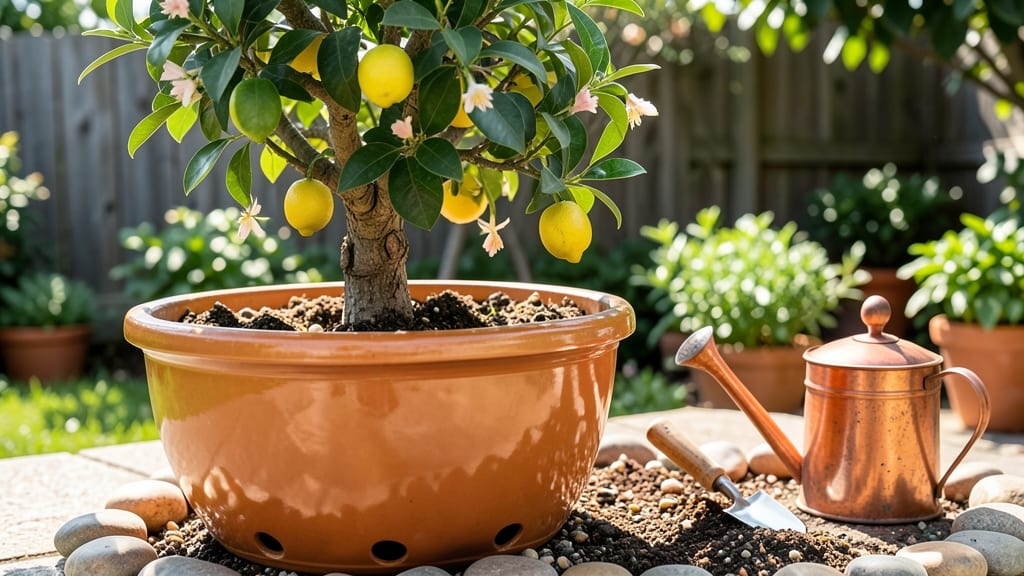
Fruit tree container gardening lets you harvest peaches, plums, and apples even on a tiny balcony. 🌱 I started with a single dwarf apple tree in a 15-gallon pot, and now my urban patio produces more fruit than my neighbors' yards. The secret isn't special equipment—it's choosing the right dwarf variety for your space and giving it consistent care.
Start with a 5-gallon container minimum for citrus, scaling up to 15-30 gallons for stone fruits like peaches. Dwarf varieties like 'Patio Princess' peach or 'Columnar' apples grow just 6-8 feet tall but produce full-sized fruit.
Your soil mix should blend 60% potting soil, 30% compost, and 10% perlite for drainage—never garden soil, which compacts and suffocates roots.
You'll get your first harvest in 2-3 years for stone fruits, or 3-5 years for apples, but the wait is worth it. Imagine plucking ripe fruit from your balcony while your neighbors drive to the grocery store.
The key is daily watering in summer (containers dry out fast) and monthly fertilizer during growing season to replace nutrients lost in leach water.
This works for patios, rooftops, or even sunny windowsills with the right setup. The only challenge is winter—most dwarf fruit trees need protection from freezing temps below 10°F. Wrap containers in bubble wrap or move them indoors (yes, it's possible with citrus!).
📚 In This Guide
- What you need
- Instructions
- Tips and common mistakes
- Wrapping up and next steps
What you need
- ● Container: A large, durable pot (at least 18–24 inches in diameter and 12–18 inches deep) with drainage holes. Plastic, ceramic, or fabric grow bags work well.
- ● Dwarf Fruit Tree: Choose a dwarf or semi-dwarf variety (e.g., Apple ‘Columnar’, Lemon ‘Meyer’, or Peach ‘Bonanza’). Ensure it’s grafted for better hardiness.
- ● High-Quality Potting Mix: A well-draining, nutrient-rich blend (e.g., 50% potting soil + 30% perlite/pumice + 20% compost). Avoid garden soil—it compacts and suffocates roots!
- ● Drainage Layer: 3–4 inches of gravel, pebbles, or broken pottery at the container’s bottom to prevent root rot.
- ● Slow-Release Fertilizer: A balanced, organic fertilizer (e.g., 10-10-10 or fish emulsion) to nourish your tree for 3–6 months.
- ● Support Stake: A 5–6 ft tall metal or wooden stake (for windy areas) and soft ties (e.g., tree straps or old T-shirts) to secure the tree.
- ● Watering Can or Hose: With a gentle spray nozzle to avoid displacing soil.
- ● Mulch: Wood chips or straw (2–3 inches) to retain moisture and regulate soil temperature.
- ● Container Saucer: A tray or saucer to catch excess water and prevent messes.
- ● Pruning Tools: Bypass pruners (for clean cuts) and disinfectant (to prevent disease).
- ● Tree Guard: A plastic or metal collar to protect the trunk from pests and sunscald.
- ● Grow Lights (Indoor Gardening): A full-spectrum LED light (12–16 hours/day) if growing in low-light spaces.
- ● Soil pH Test Kit: To ensure your mix is slightly acidic (6.0–7.0), ideal for most fruit trees.
Step-by-step guide to growing dwarf fruit trees in containers
Here’s how to grow productive, space-saving fruit trees that yield delicious harvests year after year.
🪴 Step 1: Select the Right Dwarf Variety and Container
Choose a dwarf variety suited for containers—like ‘Patio’ peaches, ‘Columnar’ apples, or ‘Bonsai’ citrus—since they stay small but still produce fruit. The container must be at least 18-24 inches deep and 12-18 inches wide to accommodate root growth and drainage. I use fabric grow bags for their breathability, but heavy ceramic pots work too if they have drainage holes.
Real talk: Skip anything labeled “standard” size—those need yards, not patios. Look for tags specifying “dwarf,” “semi-dwarf,” or “columnar.” The rootstock determines size, so verify before buying. A 5-gallon container works for the first year, but you’ll need at least 15 gallons for mature trees.
🌱 Step 2: Prepare Soil and Plant with Proper Spacing
Fill the container with a well-draining potting mix—never garden soil. I blend 60% premium potting mix, 30% perlite, and 10% compost to ensure aeration and nutrients. Add a slow-release fertilizer (like 10-10-10) to the bottom layer before planting. This prevents nutrient runoff and feeds roots steadily.
Plant your dwarf tree 1-2 inches deeper than its nursery pot to encourage stability. For multiple trees (like a peach and fig combo), space them 6-12 inches apart—closer for pollination partners, wider for solitary trees. Water deeply right after planting to settle the soil and eliminate air pockets.
☀️ Step 3: Position for Sunlight and Wind Protection
Dwarf fruit trees need 6-8 hours of direct sun daily, but avoid harsh afternoon heat in hot climates. A south-facing patio or balcony works best, but east or west exposures also produce fruit—just expect smaller yields. If shade is unavoidable, supplement with a grow light for 12-14 hours/day during winter.
Wind can stress container trees, so place them near a wall or use a trellis for support. I’ve seen dwarf apples topple in gusts—secure the pot with stakes or weights if needed. Rotate the container quarter-turn weekly to prevent lopsided growth toward the light.
💧 Step 4: Water and Fertilize for Container-Specific Needs
Containers dry out fast, so check soil moisture daily in summer—stick your finger 2 inches deep. Water when the soil feels dry, but never let it sit soggy. Overwatering leads to root rot, which is deadly for dwarf trees. I use a self-watering pot in summer to maintain consistent moisture without drowning roots.
Fertilize every 4-6 weeks during growing season with a balanced fruit-tree fertilizer (like 10-10-10 or 8-3-9). Reduce feeding in winter—dwarf trees need dormancy to set fruit. Prune dead or crossing branches in late winter to encourage airflow and fruit production.
✂️ Step 5: Prune and Harvest for Long-Term Productivity
Prune annually in late winter before buds swell, removing suckers (shoots at the base) and dead wood. Thin out overcrowded branches to improve airflow—this reduces disease and boosts fruit size. I aim to keep the tree open and airy, with light penetrating the center.
Harvest when fruit is fully colored and slightly soft to touch. Peaches and nectarines ripen on the tree; apples and pears often need a day or two off the tree to sweeten. Store harvested fruit in a cool, dry place (like a garage) for 1-2 weeks—container-grown fruit ripens faster than ground-planted trees.
Tips & tricks for perfect container-grown dwarf fruit trees
These insider tricks will help your patio fruit trees thrive—and actually produce fruit—year after year.
Container Size Matters: The 18-24 inch depth requirement isn't arbitrary—it gives roots room to grow without circling, which causes stress. I've seen container-bound trees with shallow pots produce half the fruit of properly sized ones. If you're tempted to use a smaller pot for aesthetics, remember: roots need space to breathe, and fruit production suffers when they're cramped. For mature trees, upgrade to 15-gallon containers—the extra volume makes all the difference in yield and stability.
Soil Mix Secrets: That 60-30-10 blend of premium potting mix, perlite, and compost isn't just random—it's about balance. The perlite prevents compaction (so critical in containers), while compost provides slow-release nutrients. Pro tip: Add a handful of worm castings to the mix for extra microbial activity that boosts root health. I've noticed trees in this blend establish faster and handle summer heat better than those in generic potting soil.
Sunlight Strategy: Those 6-8 hours of direct sun are non-negotiable, but here's what nobody tells you: morning sun is gentler than afternoon heat. If your balcony gets intense afternoon rays, consider moving the tree to a shaded spot during peak hours (12-4 PM). For winter light supplementation, a full-spectrum LED grow light for 12-14 hours/day can prevent bud drop in citrus varieties. I've saved multiple trees this way during cloudy winters.
Watering Wisdom: The 2-inch deep check is your best friend, but timing matters too. Water in the morning so leaves dry by evening—this prevents fungal diseases. I've ruined several trees by watering at night, even though the soil felt dry. For summer care, I switch to a self-watering pot with a moisture meter to avoid the guesswork. Remember: containers dry out 3-5 times faster than ground soil.
Pro Tips for Fruit Tree Container Gardening
- These insider tricks will help your patio fruit trees thrive—and actually produce fruit—year after year.
- Container Size Matters: The 18-24 inch depth requirement isn't arbitrary—it gives roots room to grow without circling, which causes stress.
- Soil Mix Secrets: That 60-30-10 blend of premium potting mix, perlite, and compost isn't just random—it's about balance.
Frequently asked questions
Got questions about growing fruit trees in containers? You’re not alone! Here are answers to the most common concerns to help you get started with confidence.
What are the best dwarf fruit tree varieties for beginners?
Start with dwarf citrus (like Meyer lemon or Calamondin), apple (Columnar or Liberty varieties), or fig (Chicago Hardy or Little Miss Figgy). These are low-maintenance, disease-resistant, and perfect for small pots. Avoid full-sized trees—they’ll outgrow containers quickly!
How large should my container be for a dwarf fruit tree?
Minimum size is 15–20 gallons (18–24 inches deep/wide) for most dwarfs, but deeper pots (24+ inches) prevent root binding. Use fabric grow bags or self-watering containers for better drainage and moisture control. Larger pots = happier trees!
When is the best time to plant a dwarf fruit tree in a container?
Plant in early spring (after last frost) or late fall for established trees. Bare-root trees can go in winter (dormant season), while potted trees thrive year-round if temperatures stay mild. Avoid extreme heat—root stress slows growth.
How often should I water a container-grown fruit tree?
Water when the top 1–2 inches of soil are dry (usually every 2–3 days in summer, less in winter). Containers dry out fast! Use well-draining soil and a moisture meter to avoid over/under-watering. Mulch helps retain moisture.
What pests or diseases should I watch for in container fruit trees?
Common issues include aphids, spider mites, and root rot. Inspect leaves weekly! Use neem oil for pests and ensure pots have drainage holes to prevent fungal diseases. Prune regularly to improve airflow and reduce stress.
Can I grow a fruit tree in a container indoors?
Most fruit trees need 6+ hours of sunlight daily, so indoors is tricky unless you have a sunny south-facing window or grow lights. Citrus and figs adapt best, but expect smaller yields. Outdoor placement (patio, balcony) is ideal for fruiting success!
Will my container fruit tree produce fruit the first year?
Probably not! Dwarf trees take 2–5 years to bear fruit, depending on variety and care. Focus on pruning, fertilizing, and pollination (hand-pollinate if needed). Patience pays off—healthy trees reward you with harvests for decades!
Wrapping up and next steps
Container gardening with dwarf fruit trees is a rewarding way to grow fresh, homegrown produce—even in tiny spaces! 🌱 From apple to citrus, these compact varieties prove that big flavors don’t need big yards.
With the right container, soil, and care, you’ll enjoy a bountiful harvest year after year.
Ready to get started? Pick your favorite dwarf variety, grab a pot, and let your green thumb shine! 🌟 For extra inspiration, explore our guide to container gardening tips or join a local gardening community to share your progress.