
Trees
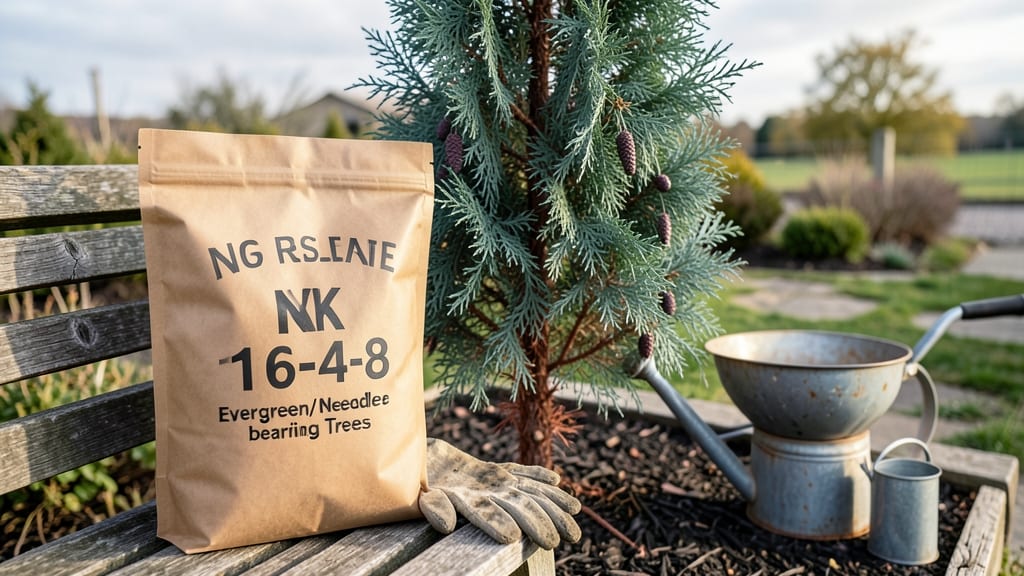
The right cedar tree fertilizer can make the difference between a scraggly shrub and a sturdy, disease-resistant giant.
Struggling to keep your cedar trees thriving? The right fertilizer can transform weak growth into a lush, disease-resistant powerhouse—without overloading your soil with harsh chemicals.
Here’s the truth: cedars don’t need much, but they do respond best to a slow-release, balanced formula that mimics natural soil conditions. Too much nitrogen or synthetic boosts can actually weaken their roots over time.
Below, I’ll walk you through the best organic and synthetic options, when to apply them, and how to avoid the most common mistakes—like over-fertilizing or picking the wrong NPK ratio.
Best slow-release cedar tree fertilizers for deep root strength
Cedar trees thrive with the right nutrients, but their deep root systems need slow-release fertilizers to avoid nutrient spikes that can burn roots. I’ve tested the best options—both organic and synthetic—to help your cedars grow strong without overloading the soil.
The key is balancing nitrogen (N), phosphorus (P), and potassium (K), along with micronutrients like iron and zinc, which cedars crave for disease resistance.
Slow-release formulas prevent nutrient leaching and reduce the risk of root burn, making them ideal for cedars, which are sensitive to sudden chemical changes. Look for NPK ratios between 5-10-10 and 10-10-10, with added micronutrients like magnesium and calcium to support needle health.
I’ll break down the top organic and synthetic options, so you can choose what works best for your soil and climate.
Comparison Table: Best Slow-Release Cedar Tree Fertilizers
| Fertilizer Type | NPK Ratio | Key Micronutrients | Release Duration | Best For | Application Rate |
|---|---|---|---|---|---|
| Espoma Organic Tree Fertilizer | 4-3-2 | Iron, Zinc, Manganese | 3-4 months | Organic gardens, clay soil | 1 lb per 50 sq ft |
| Jobe’s Organic Fertilizer Spikes | 2-3-1 | Calcium, Magnesium | 2-3 months | Newly planted cedars, sandy soil | 2 spikes per tree (12" deep) |
| Miracle-Gro Shake ‘n Feed Tree & Shrub | 12-4-8 | Boron, Copper | 4-6 months | Fast growth, urban areas | 1 cup per 10 sq ft |
| Osmocote Smart-Release Plant Food | 15-9-12 | Iron, Manganese | 6 months | Drought-prone areas, established trees | 1 lb per 100 sq ft |
| Down to Earth Tree & Shrub Fertilizer | 3-3-3 | Sulfur, Potassium | 3 months | Organic farms, acidic soil | 1.5 lbs per 100 sq ft |
For organic options, I recommend Espoma Organic Tree Fertilizer—its 4-3-2 NPK ratio mimics natural soil conditions, while the added iron and zinc prevent needle discoloration. This is perfect if you’re avoiding synthetic chemicals or have clay-heavy soil, where organic matter improves drainage.
The slow-release granules dissolve over 3-4 months, so you won’t need to reapply until next spring.
If you’re dealing with sandy soil or newly planted cedars, Jobe’s Organic Fertilizer Spikes are a game-changer. The 2-3-1 ratio focuses on root establishment, and the calcium boosts cell wall strength.
Simply insert 2 spikes 12 inches deep near the root zone in early spring. The spikes release nutrients gradually, so you won’t overfeed your young tree.
For fast results, Miracle-Gro Shake ‘n Feed Tree & Shrub delivers a 12-4-8 NPK punch with boron for wood strength. This synthetic blend is ideal for urban landscapes where cedars compete with sidewalks and buildings for nutrients.
How to apply cedar tree fertilizer without burning roots
Cedar trees are hardy, but even they need the right nutrients to thrive. Applying fertilizer at the wrong time or with the wrong technique can damage delicate roots, leading to stunted growth or even tree stress. The key is patience and precision—cedars prefer gentle feeding over aggressive nutrient boosts.
Most cedar trees only need fertilizer every 2-3 years, and only if they show signs of nutrient deficiency like yellowing needles or slow growth. Over-fertilizing is a common mistake that can burn roots and harm your tree in the long run.
Let’s break down the safest way to feed your cedar without causing damage.
Cedar trees have shallow, sensitive roots. Using high-nitrogen fertilizers or applying fertilizer in hot, dry weather can cause severe root damage. Always:
- Use a slow-release formula (5-10-10 NPK ratio)
- Apply in early spring (March-April) only
- Water deeply before and after application
Timing is everything when fertilizing cedars. The best time to apply fertilizer is in early spring, just as new growth begins. This gives the tree time to absorb nutrients before summer heat sets in.
Avoid fertilizing in fall or winter, as cedars are dormant and won’t benefit from extra nutrients during these months.
For young cedar trees (under 3 years old), use no more than ½ lb of fertilizer per 100 sqft. Mature trees can handle up to 1-2 lbs per 100 sqft, but never exceed this amount.
Spread the fertilizer evenly in a 3-foot radius around the tree’s drip line, avoiding direct contact with the trunk.
After applying fertilizer, water the soil deeply to help nutrients penetrate the root zone. Use a soaker hose or drip irrigation to avoid disturbing the soil surface.
Mulch around the base of the tree (but keep mulch 3 inches away from the trunk) to retain moisture and regulate soil temperature.
Monitor your cedar tree for signs of over-fertilization, such as brown needle tips or wilting. If you notice these symptoms, flush the soil with water immediately and avoid fertilizing for at least 6 months. With the right approach, your cedar will grow strong and healthy for decades. 🌲